What Happened
A prediction market tracking the probability of Jerome Powell ceasing to hold a position on the Federal Reserve Board of Governors before May 30 experienced a dramatic repricing, dropping 30.5 percentage points from 36.5% to 6.0%. The move occurred on substantial volume of $133,406, indicating genuine market conviction behind the shift. The market specifically requires Powell to leave the Board entirely—remaining as a member after stepping down as chair would not trigger a \"Yes\" resolution.
Why It Matters
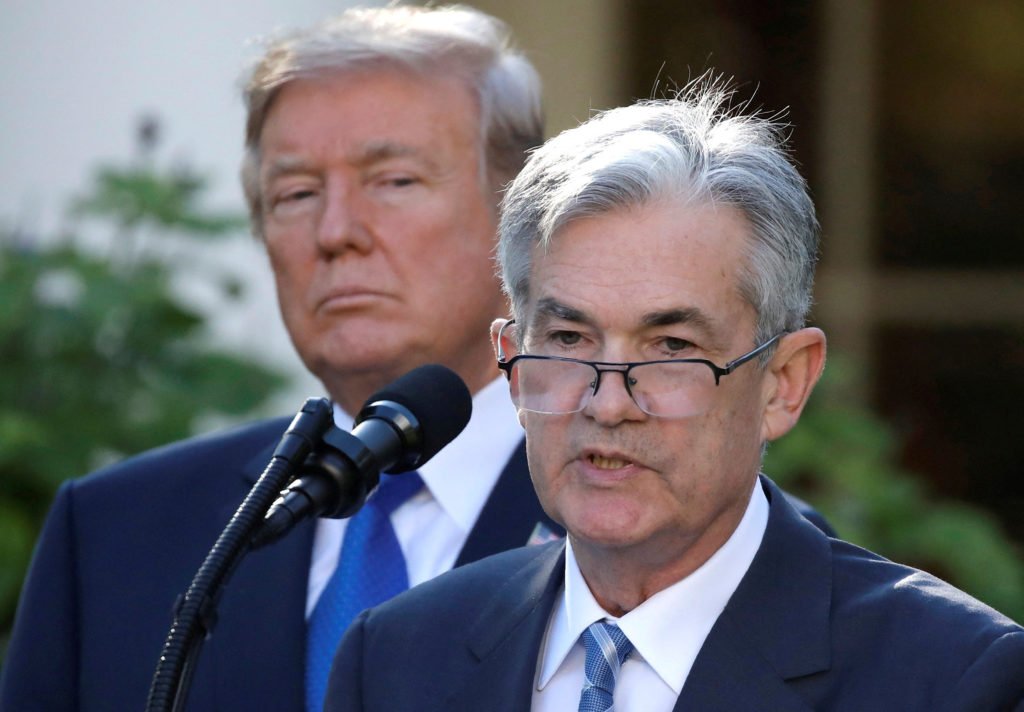
The sharp collapse in removal odds represents a significant de-risking of political scenarios that could force Powell from the Fed before his term naturally expires. Powell's tenure has been a focal point of political debate, particularly following his appointment by President Donald Trump in 2018 and subsequent tensions over monetary policy and interest rates. This sudden repricing suggests market participants have substantially downgraded the probability of near-term institutional upheaval at the Federal Reserve's leadership level.
Market Context
The prediction market's dramatic move reflects either new information about Powell's job security or a recalibration of previously elevated risk premia. Given the timeframe extends only to May 30, the market was pricing meaningful near-term political risk—a concern that has now largely dissipated. The substantial trading volume indicates this was not a thin-market artifact but rather a genuine shift in aggregate expectations across market participants.
Outlook
The market's new equilibrium at 6.0% suggests Powell's position is now viewed as substantially more secure than recent pricing implied. However, the non-negligible remaining probability indicates market participants retain some tail-risk hedges for unexpected political developments. The resolution criteria's specificity—requiring Powell to leave the Board entirely rather than simply stepping down as chair—further constrains the scenarios that would trigger a \"Yes\" outcome, aligning with the current low probability assessment.