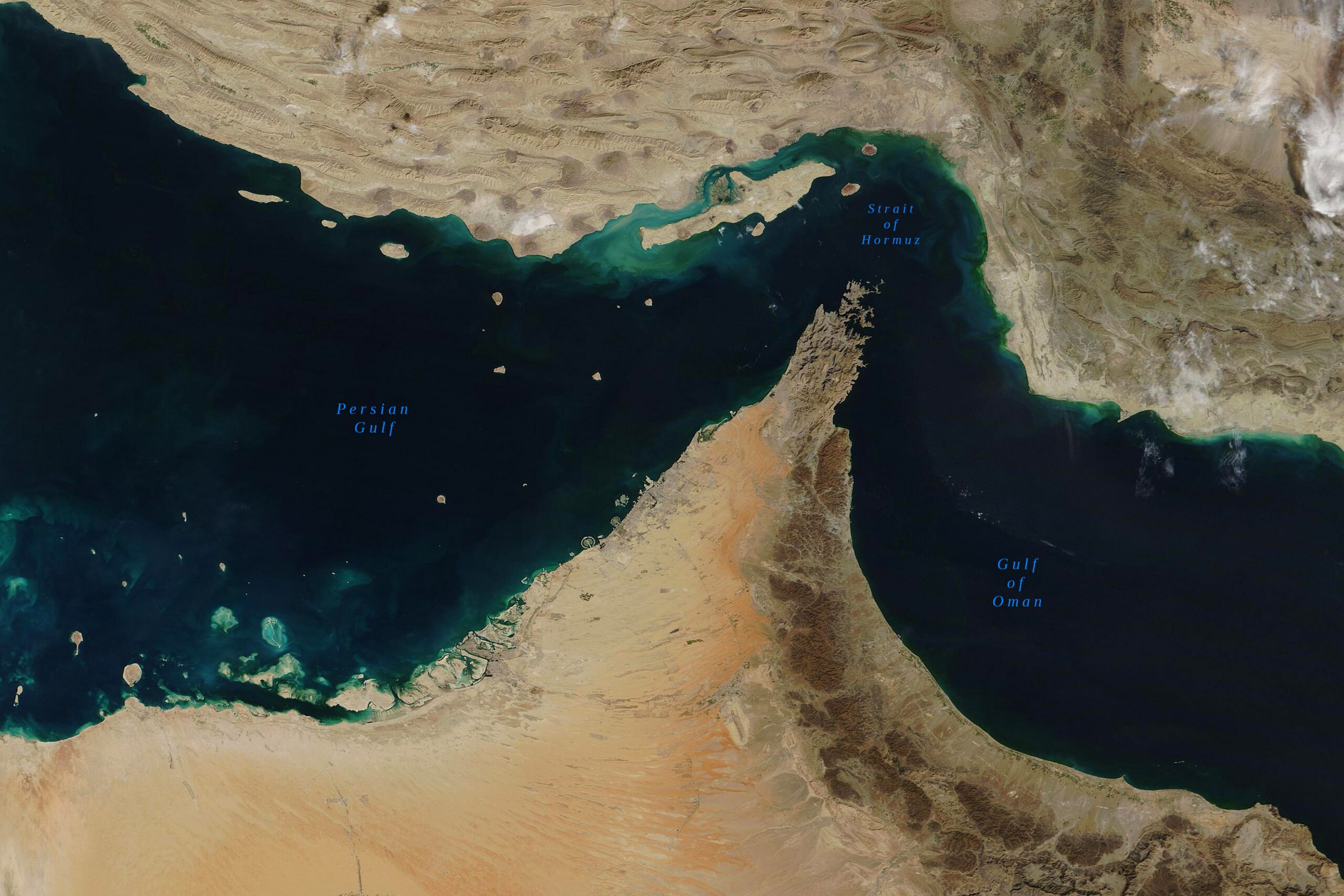
Market Overview
The prediction market for Strait of Hormuz traffic normalization is priced near even odds, with traders assigning a 45.5% probability that transit calls will reach or exceed 60 per day (on a 7-day moving average) by the end of June 2026. The market has attracted substantial liquidity with $1.53 million in volume, indicating serious interest from participants tracking this critical chokepoint that handles roughly one-third of global maritime oil trade. The stable price over the past 24 hours suggests the market has settled into a relatively balanced equilibrium despite the volatile nature of Middle East shipping dynamics.
Why It Matters
The Strait of Hormuz represents one of the world's most strategically important maritime passages, and disruptions to traffic flow can have immediate ripple effects across global energy markets and supply chains. A 60-call daily threshold represents a significant recovery benchmark—traders and shipping officials view this level as indicative of normalized operations rather than crisis-driven volatility. The resolution criteria use IMF Portwatch data, providing an objective third-party standard that removes discretionary interpretation. For shipping companies, energy traders, and policymakers, the outcome of this market reflects real-world confidence (or lack thereof) in regional stability through mid-2026.
Key Factors
Multiple variables will influence whether traffic recovers to the specified level. Geopolitical tensions in the region—including potential escalations between Iran and Western powers, Houthi maritime attacks from Yemen, or other security incidents—represent the primary downside risk. Conversely, diplomatic de-escalation or successful security operations could accelerate normalization. The current 45.5% probability suggests traders view regional risks as material but not deterministic. Seasonal patterns in shipping demand, broader global economic conditions, and alternative routing options (such as longer passages around Africa) also factor into transit call projections. The 18-month timeframe to resolution allows significant room for circumstances to shift materially in either direction.
Outlook
The near-even pricing reflects genuine uncertainty rather than consensus pessimism or optimism. Any significant geopolitical developments—whether security incidents that disrupt traffic or diplomatic breakthroughs that ease concerns—would likely shift market probabilities sharply. Traders monitoring this market should watch for official statements from maritime authorities, shipping company guidance on route planning, and intelligence assessments regarding regional security. The market's 45.5% assessment implies that recovery to normal levels is achievable but far from assured, with the baseline case essentially a toss-up between normalization and continued disruption through mid-2026.