Market Overview
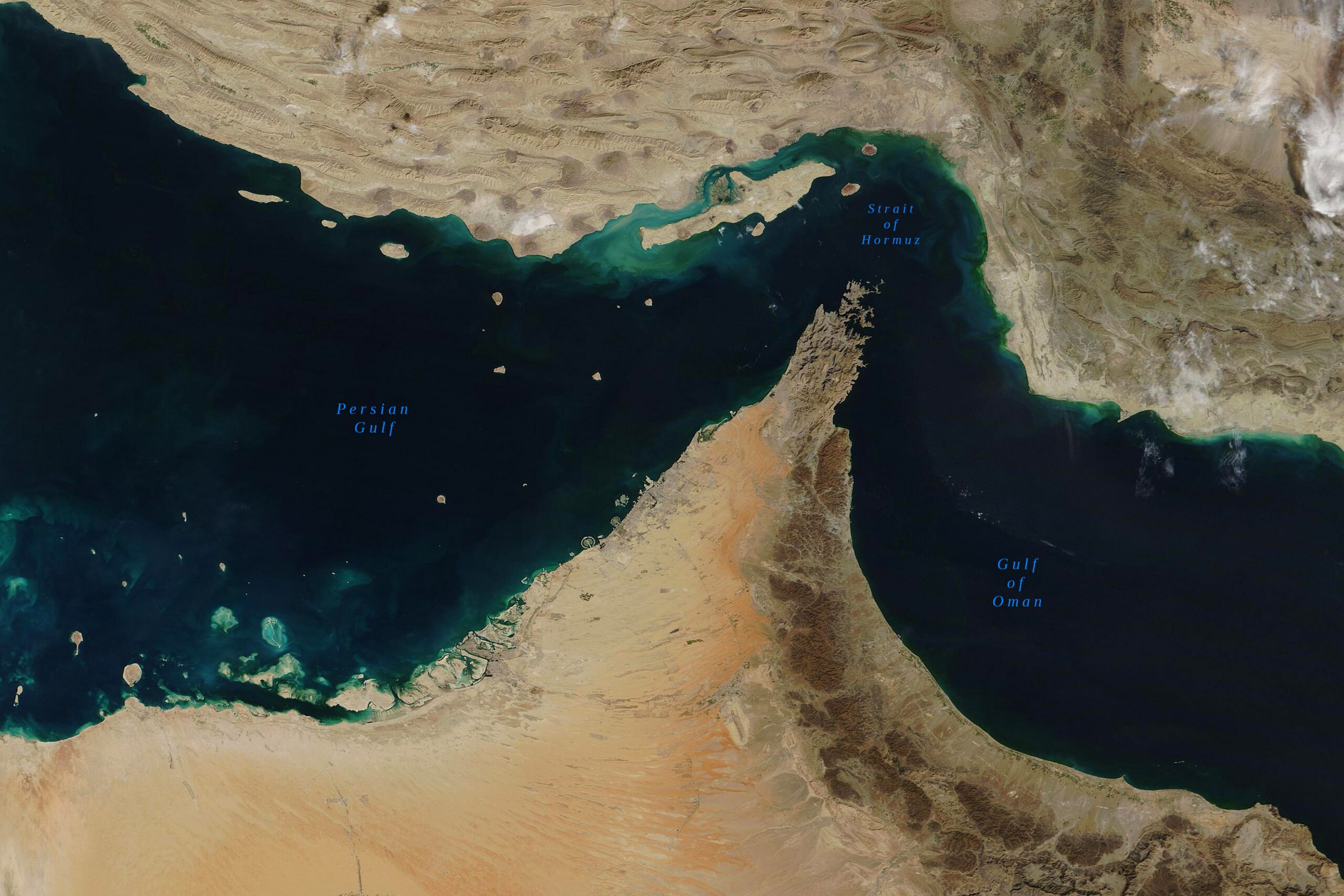
Traders are split on whether the Strait of Hormuz will see a sustained recovery in shipping traffic by mid-2026, with prediction markets pricing the outcome at 45.5% probability. The question hinges on a specific operational threshold: whether the 7-day moving average of daily transit calls reaches 60 or higher by June 30, 2026. This benchmark serves as a proxy for \"normal\" traffic levels, encompassing container, dry bulk, roll-on/roll-off, general cargo, and tanker vessels tracked by IMF Portwatch.
Why It Matters
The Strait of Hormuz remains one of global trade's most critical arteries, with roughly one-fifth of the world's seaborne oil passing through its narrow channel between Iran and Oman. Disruptions to traffic through the strait—whether from geopolitical tensions, military incidents, or sanctions-related constraints—ripple across energy markets, shipping costs, and supply chains worldwide. The current market probability suggests meaningful uncertainty about whether conditions will stabilize sufficiently to restore typical transit patterns within the next 18 months. Understanding the baseline requires context: the 60 daily transit calls threshold reflects historical normal operations, and sustained passage at that level would signal a return to pre-disruption conditions.
Key Factors
Several dynamics are likely shaping trader positioning. Regional geopolitical risk remains elevated, particularly tensions between Iran and Western powers, as well as maritime security concerns that have periodically prompted shipping diversions or delays. Sanctions regimes targeting Iranian oil exports and shipping activity create structural pressure on transit volumes. Conversely, broader global trade recovery, evolving shipping patterns, and potential diplomatic developments could facilitate a return to baseline traffic. The resolution mechanism itself—which requires a sustained 7-day average rather than a single-day spike—introduces a durability test, meaning temporary upticks in transits alone would not settle the market affirmatively.
Outlook
The 45.5% probability reflects meaningful two-sided uncertainty. Traders appear to view returning to normal transit levels as plausible but far from assured, consistent with a risk environment where escalation and de-escalation scenarios both command non-negligible probability mass. The next 18 months will likely feature evolving geopolitical dynamics, sanctions policy developments, and shipping industry responses that could shift market expectations materially. Key indicators to watch include sanctions enforcement, regional military activity, and actual transit call data from IMF Portwatch—which will provide the operational ground truth that ultimately determines resolution.