What Happened
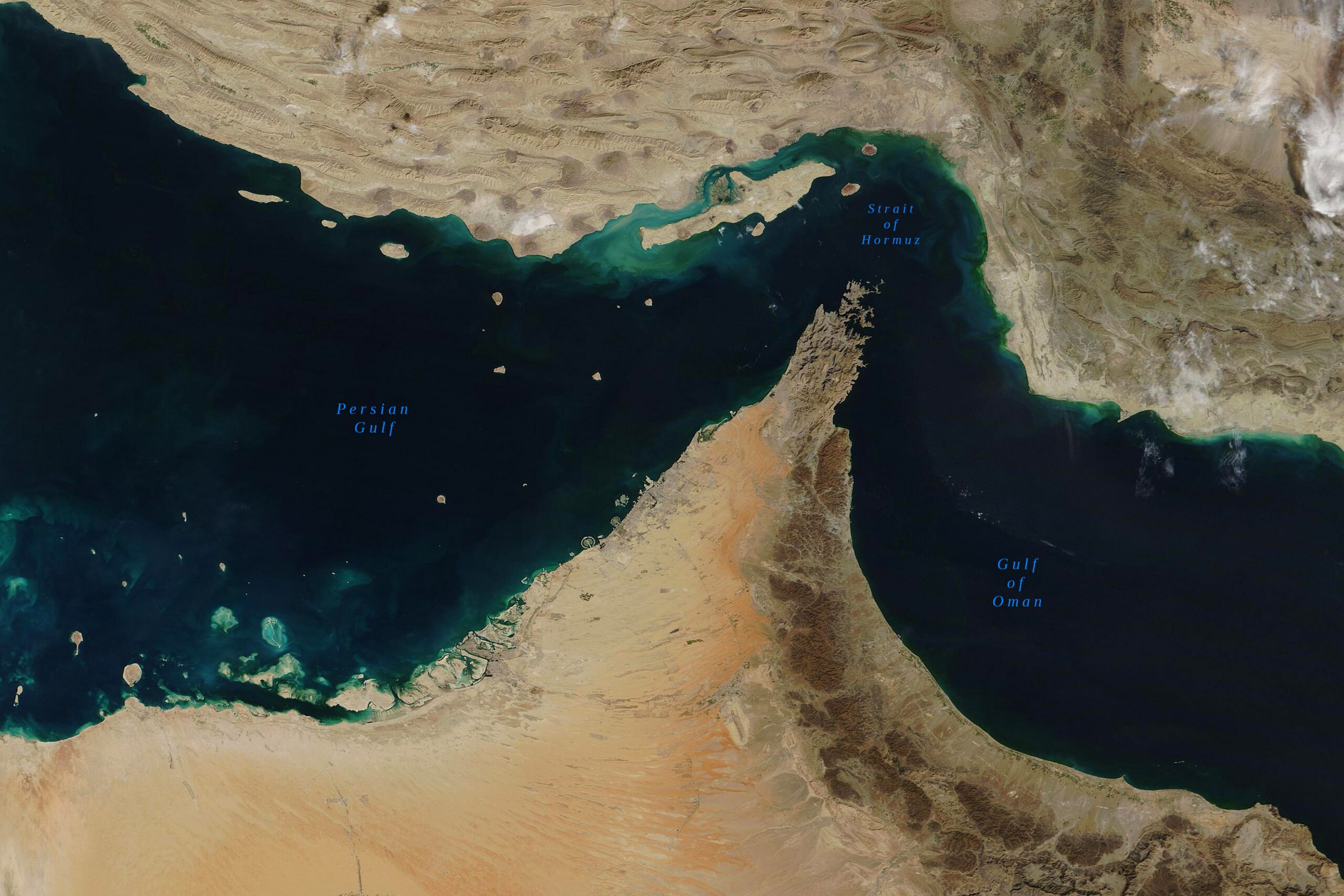
A prediction market tracking whether the Strait of Hormuz will achieve normal traffic levels—defined as a 7-day moving average of at least 60 daily transit calls—saw its implied probability jump from 64% to 79% over recent trading activity. The market, which monitors transit data published by IMF Portwatch, recorded over $1 million in wagered volume during this price movement. The 15-percentage-point shift reflects a meaningful reallocation of capital toward the \"Yes\" outcome, suggesting traders have become more optimistic about near-term shipping normalization through the strategically vital waterway.
Why It Matters
The Strait of Hormuz remains one of the world's most economically critical maritime chokepoints, with roughly 20-30% of global seaborne oil passing through it daily. Sustained disruptions to traffic through the strait carry cascading implications for energy markets, global supply chains, and geopolitical stability. The market's shift toward higher confidence in traffic recovery by May 2026 suggests traders perceive reduced near-term risk of prolonged closures or significant capacity constraints, though the specific threshold of 60 calls per day represents only one measure of normalization.
Market Context
The prediction market's confidence increase may reflect several factors: shifting geopolitical assessments regarding Iran-U.S. relations, reduced incident frequency in the strait, or updated intelligence about military postures in the region. Prediction markets on this question have attracted substantial participation from traders with expertise in shipping, energy, and Middle East security affairs, indicating meaningful information aggregation. The market structure, which resolves only upon achievement of the threshold or final expiration, creates clear incentive alignment with actual observable shipping data.
Outlook
The elevated probability does not guarantee recovery—May 2026 remains approximately 18 months away, providing substantial time for geopolitical conditions to shift. Traders will continue monitoring monthly IMF Portwatch data releases, incident reports from commercial shipping associations, and policy developments affecting Iranian sanctions enforcement. The market's 79% confidence level suggests that while a majority of traders expect normal traffic levels within the specified timeframe, roughly one-fifth of capital remains positioned for continued disruption or sub-threshold performance, reflecting genuine uncertainty about medium-term strait security dynamics.