Market Overview
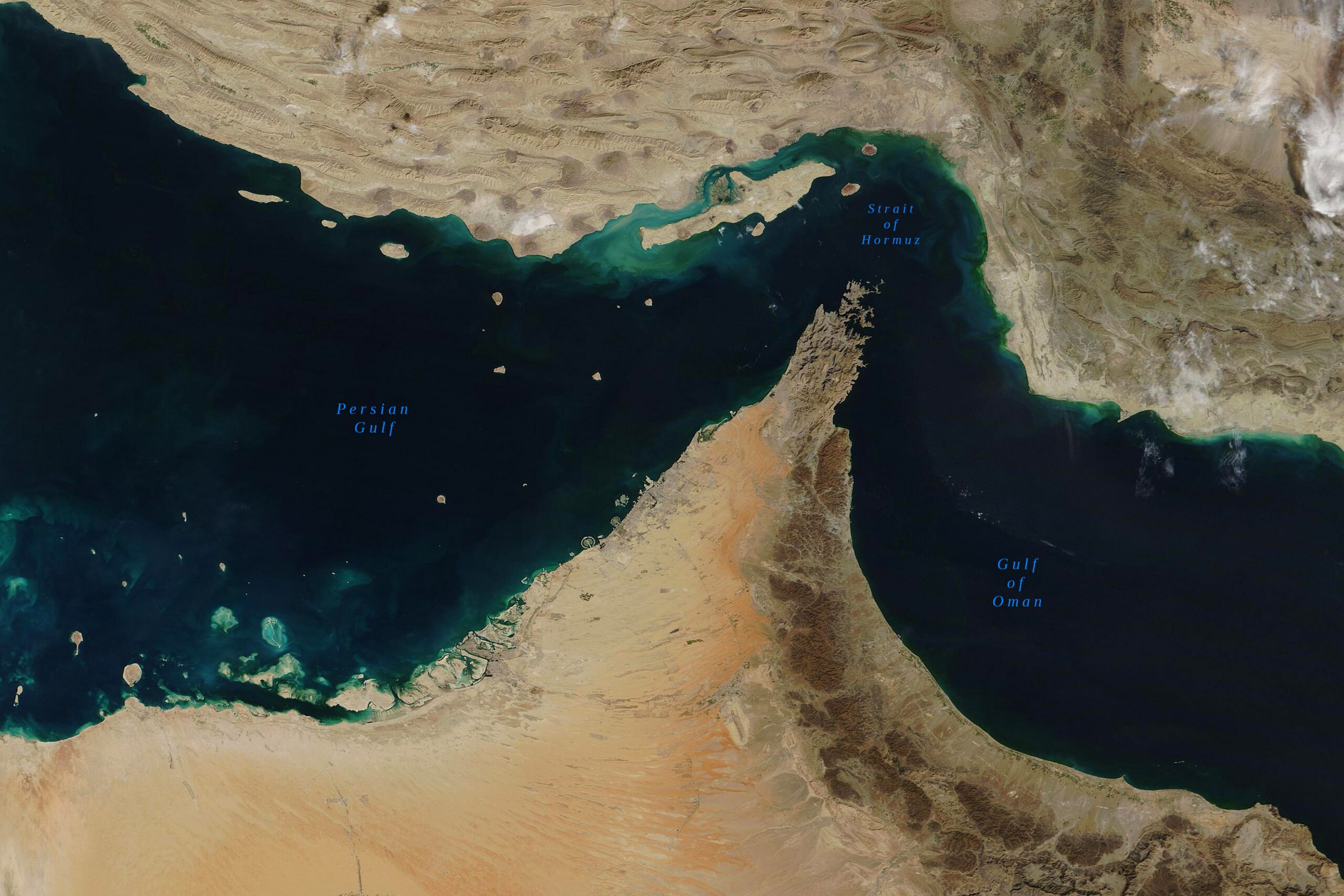
The Strait of Hormuz market is currently trading at 20.5% probability—indicating traders view a return to normal transit levels as unlikely within the specified timeframe. The resolution criterion is specific: a 7-day moving average of daily transit calls (container, dry bulk, roll-on/roll-off, general cargo, and tanker vessels) must reach or exceed 60 arrivals per day at some point between now and May 31, 2026. With $4.6 million in trading volume, the market reflects substantial interest in this geopolitically sensitive question. The low odds suggest market participants expect either persistent disruptions or a gradual recovery that extends beyond the May deadline.
Why It Matters
The Strait of Hormuz remains the world's most critical maritime chokepoint, with approximately one-third of all seaborne traded oil passing through its waters annually. Any sustained reduction in traffic carries significant implications for energy markets, global commerce, and shipping costs. Understanding when—or if—normal traffic patterns will be restored is essential for businesses with exposure to Middle Eastern trade flows, energy producers, and maritime industries. The market's pessimistic pricing reflects legitimate structural and geopolitical risks that could suppress traffic volumes well into 2026.
Key Factors
Several factors underpin the market's low probability. First, any disruption severe enough to disrupt the 7-day average below 60 arrivals would suggest major regional instability—whether from military conflict, sanctions escalation, or maritime security threats. Recovery from such scenarios typically takes months or years, not weeks. Second, the 60-call threshold appears designed to capture a substantive return to normal; achieving this level signals not just tentative reopening but sustained normalization. Third, geopolitical tensions in the broader region remain elevated, with various actors having demonstrated willingness to disrupt shipping in recent years. The market may also be pricing in the possibility that disruption occurs later in the resolution window, leaving insufficient time for full recovery by May 31, 2026.
Outlook
For the market probability to shift materially higher, traders would need to see either a de-escalation of regional tensions that significantly reduces disruption risk, or concrete evidence of traffic recovery trending toward the 60-call threshold. Conversely, new geopolitical incidents or escalations could drive the probability even lower. The market's current pricing reflects a base case of either ongoing disruption or incomplete recovery by the May deadline. Developments to monitor include sanctions policy changes, military posturing in the region, and actual IMF Portwatch data releases, which will provide the definitive measurement for resolution.