Market Overview
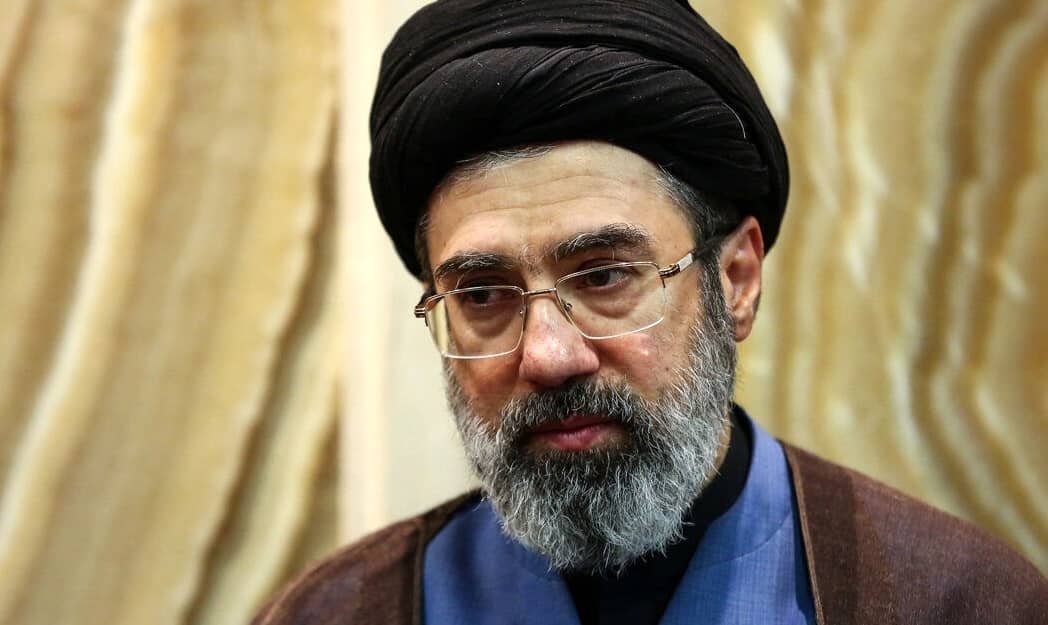
Prediction markets are assigning roughly one-in-three odds to a leadership change in Iran's top position by year-end, with the current probability holding steady at 33.5% and trading volume exceeding $2 million. The market is pricing the possibility that Mojtaba Khamenei—who has operated as Iran's de facto leader—could be removed from power, detained, or otherwise prevented from exercising leadership authority within the remaining months of 2025. The stable probability over the past 24 hours suggests the market has reached an equilibrium around this scenario, neither discounting nor amplifying concerns about imminent political upheaval.
Why It Matters
Iran's leadership structure fundamentally shapes regional geopolitics, nuclear negotiations, and the trajectory of sanctions and diplomacy. A transition in de facto leadership would signal internal instability or a significant shift in the country's power balance, with consequences extending far beyond Iran's borders. For investors, businesses, and policymakers monitoring Middle Eastern risk, this market reveals how seriously financial participants view the prospect of a near-term leadership disruption. The 33.5% probability reflects meaningful concern without suggesting consensus expectation of such an event.
Key Factors
Several dynamics appear to be influencing this assessment. Iran has a history of internal political tensions and factional disputes within its power structure, and succession questions have periodically surfaced. Health and age factors affecting senior leadership, ongoing economic pressures, and the unpredictable nature of authoritarian transitions create baseline uncertainty. Conversely, the mechanisms protecting entrenched leadership—institutional loyalty, security apparatus alignment, and historical stability of the position—argue for substantial friction against sudden removal. The market's 33.5% level suggests traders view the base case as continuity, but acknowledge material tail risks that materialized leadership disruptions would satisfy.
Outlook
For the probability to shift materially, markets would likely require signals of concrete instability: credible reporting of health crises, visible power struggles among factions, or unusual security developments. The current pricing reflects a measured assessment balancing structural entrenchment against the inherent uncertainties of authoritarian systems. The remaining timeframe—approximately eleven months—is sufficient for unexpected developments to unfold, but barring major geopolitical or internal shocks, the market's near-equilibrium state may persist as traders assess probabilities that remain elevated but not imminent.