Market Overview
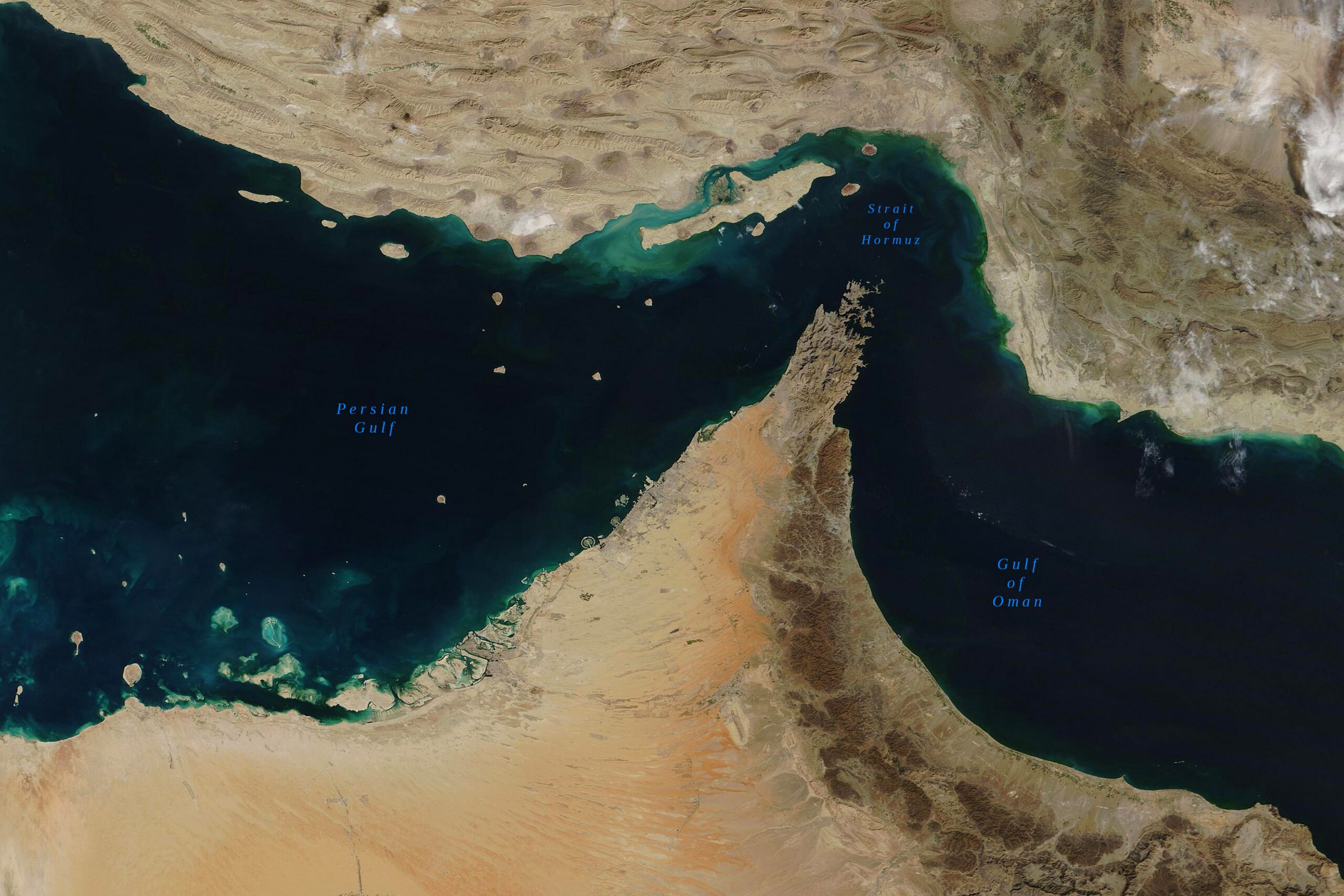
A prediction market tracking the normalization of shipping traffic through the Strait of Hormuz has settled at a 9.5% probability, indicating market participants view a full recovery as highly unlikely within the specified timeframe. The market requires IMF Portwatch data to show a 7-day moving average of transit calls reaching 60 or above—considered a baseline normal level—at any point through April 30, 2026. With over $2.5 million in trading volume, the market reflects meaningful conviction among participants that disruptions to this critical waterway will persist well into 2026.
Why It Matters
The Strait of Hormuz handles roughly one-third of global seaborne oil trade and remains essential to energy security and international commerce. Any sustained deviation from normal traffic levels carries implications for global shipping costs, insurance premiums, and energy markets. The extremely low probability assigned by traders suggests confidence that whatever conditions are currently constraining transit—whether geopolitical tensions, military activities, or other disruptions—are expected to remain entrenched for an extended period. This assessment carries weight for shipping companies, insurers, and energy traders actively pricing in sustained elevated risk premiums.
Key Factors
The low probability reflects multiple structural headwinds. Heightened regional tensions, including Yemen's Houthi attacks on commercial shipping and broader Iran-related geopolitical friction, have persisted for months and show no clear resolution pathway. These security concerns have prompted some vessels to reroute around Africa, increasing costs and transit times but reducing measured traffic through the Strait itself. Additionally, any normalization would require not just a cessation of incidents but restoration of shipper confidence—a historically gradual process. The specificity of the 60+ threshold also matters; traders must assess not just whether tensions ease, but whether traffic rebounds to at least that quantitative level, setting a higher bar than merely achieving \"safer\" conditions.
Outlook
For the probability to move materially higher, markets would likely require clear signals of deescalation, such as diplomatic breakthroughs, reduced Houthi activity, or formal security guarantees from major powers. The April 2026 deadline remains approximately one year away, leaving time for conditions to shift, but the current 9.5% price suggests traders view such developments as improbable. Conversely, any escalation in regional conflicts would likely push the probability even lower. The market will remain sensitive to geopolitical headlines, but the baseline expectation—reflected in current odds—is that shipping disruptions persist well beyond the first quarter of 2026.