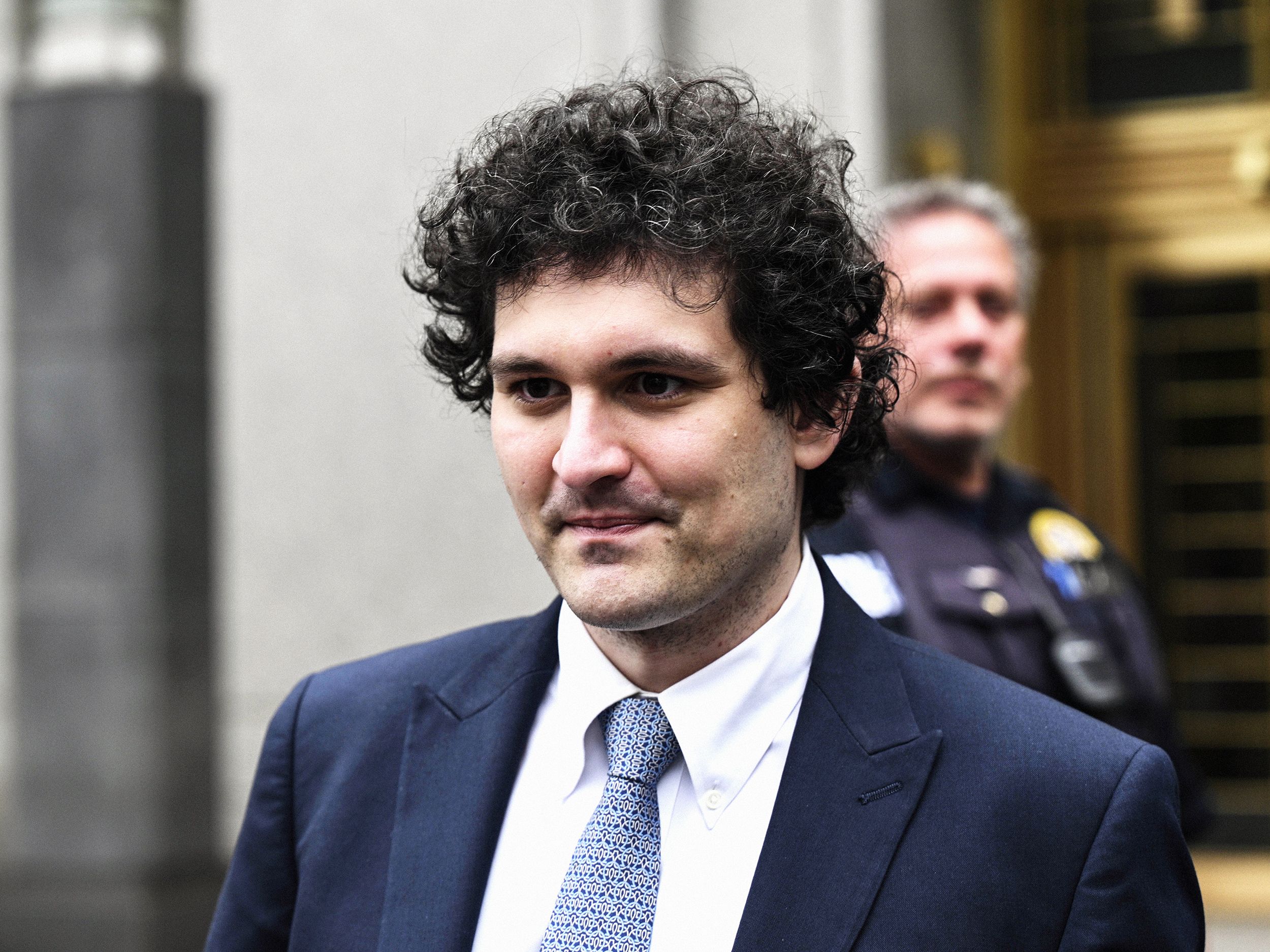
Market Overview
Prediction markets are currently pricing the probability of Sam Bankman-Fried's release from custody by December 31, 2026, at 9.5%, with stable trading volume of $310,001. This represents a relatively confident market assessment that the FTX founder will remain incarcerated or under some form of state custody through the end of 2026. The market definition includes release on parole, bond, or house arrest as qualifying outcomes, but excludes temporary departures for court appearances or transfers between facilities.
Why It Matters
The question carries significance for both the legal community and cryptocurrency sector, as any early release would signal unexpected developments in SBF's sentencing, appeals, or conditions. His case represents one of the most prominent criminal convictions in crypto industry history, and the timeline for potential release has broader implications for how the financial system handles fraud cases of this magnitude. For crypto stakeholders, the outcome also relates to ongoing efforts to recover FTX customer funds and ongoing related litigation.
Key Factors
Several structural factors support the low 9.5% probability. Bankman-Fried was convicted in November 2023 on seven counts of wire fraud and conspiracy, carrying substantial mandatory minimums. His sentencing in March 2025 is expected to result in years of custody before parole eligibility becomes a realistic consideration. Appeals can take years to litigate in federal courts, and the evidentiary record in his trial was comprehensive. Additionally, the high-profile nature of the case and public attention make early release or clemency politically unlikely in the near term.
A 9.5% probability leaves room for narrow scenarios: successful and expedited appeal overturning conviction or materially reducing sentencing, extraordinary medical circumstances, or unforeseen legal developments. However, these paths remain statistically improbable within the 18-month window through 2026, given typical appellate timelines and the strength of evidence presented at trial.
Outlook
The probability may shift if significant legal developments emerge—such as successful suppression of key evidence on appeal or unexpected judicial decisions. Conversely, a lengthy sentence at the March 2025 sentencing hearing could potentially drive odds even lower by extending the realistic release timeline well beyond 2026. The market will likely remain relatively stable absent major legal announcements, reflecting the structural reality that federal appeals in complex financial crime cases rarely conclude within two years of conviction.