Market Overview
Prediction market participants are currently pricing a 45.5% probability that the Strait of Hormuz will see transit traffic return to normal by the end of June 2026, defined as a 7-day moving average of 60 or more daily transit calls. With over $1.5 million in trading volume, the market reflects substantial interest in the question, though the odds remain below the 50% threshold, indicating traders view full normalization within the timeframe as more unlikely than likely. The baseline for \"normal\" operations—60 daily transits—serves as a concrete benchmark against which current and projected traffic levels can be measured.
Why It Matters
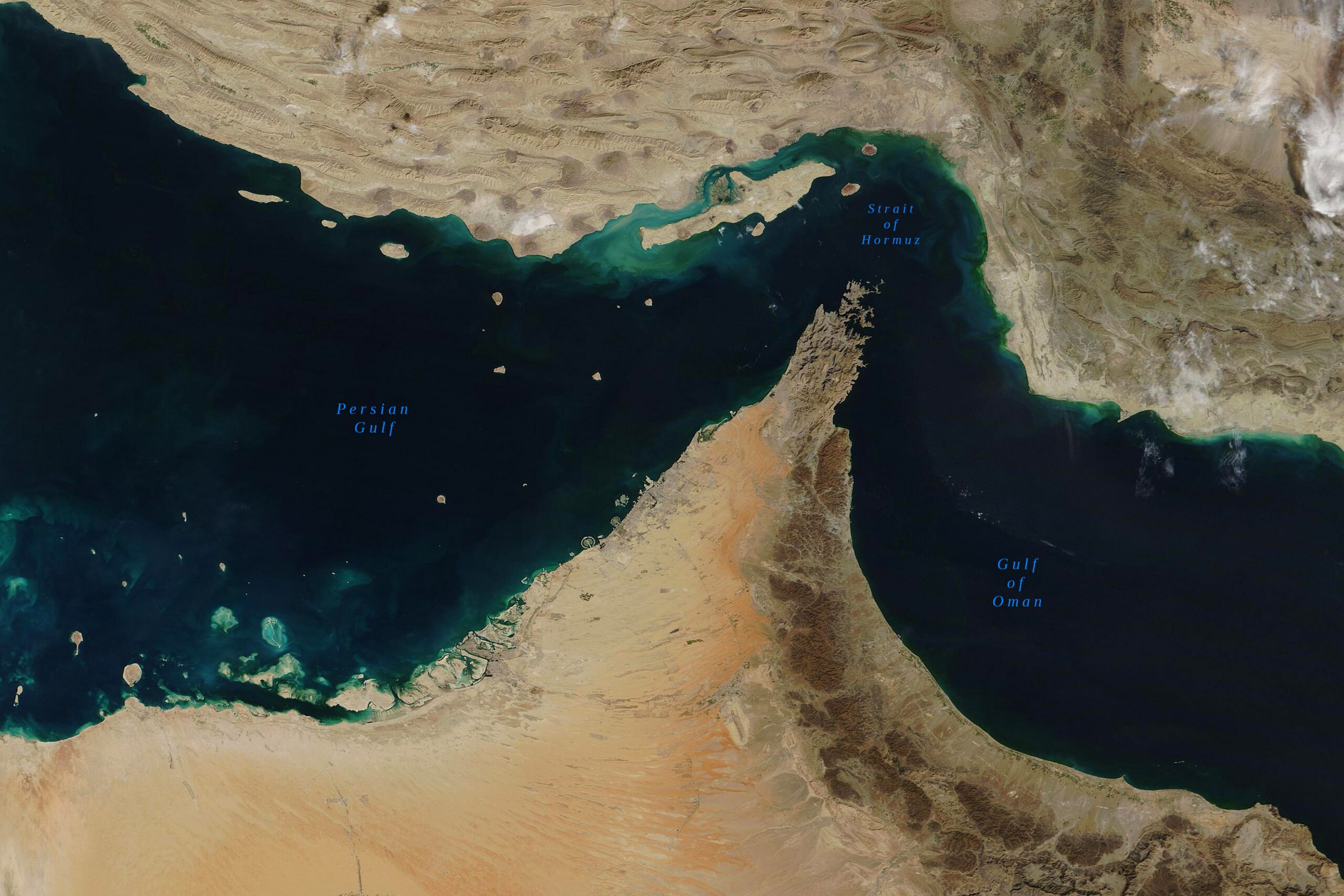
The Strait of Hormuz represents a critical artery in global energy and trade flows, with roughly one-third of the world's seaborne oil passing through its narrow 21-mile width. Any sustained disruption to traffic in the waterway between Iran and Oman has immediate ripple effects on global oil prices, shipping insurance premiums, and broader economic stability. Understanding the probability of return to normal operations is therefore essential for energy traders, shipping companies, and policymakers assessing medium-term regional risk. The 18-month timeframe (through June 2026) provides a reasonable window to assess whether current constraints prove temporary or structural.
Key Factors
Several forces currently shape expectations around Strait traffic normalization. Geopolitical tensions between Iran and regional rivals, particularly surrounding U.S. sanctions and naval presence, have historically disrupted shipping patterns and created uncertainty among vessel operators. Insurance costs and routing decisions reflect risk perceptions that may persist even if military incidents remain limited. Additionally, broader regional stability—including Houthi activities affecting the Red Sea and broader Yemen-related tensions—influences shipping confidence in the Persian Gulf region. The market's sub-50% probability suggests traders assess that at least one of these constraints is likely to remain binding through June 2026. Any significant escalation in regional conflict, conversely, could drive probabilities even lower, while diplomatic breakthroughs or regional de-escalation could shift expectations toward recovery.
Outlook
The market will likely remain sensitive to geopolitical developments, regional military activities, and any shifts in U.S. or international policy toward Iran. Near-term naval incidents, diplomatic statements, or sanctions announcements could create volatility in trader positioning. Longer-term, the resolution will ultimately depend on IMF Portwatch data—a granular, objective measure of actual vessel transits rather than political rhetoric. The 14-day data publication lag built into the resolution criteria means final clarity will arrive only after June 2026 has concluded, but intermediate data releases over the coming months will provide early signals of whether traffic is trending toward or away from the 60-transit threshold. Traders should monitor both shipping company guidance on Strait operations and official regional developments as potential inflection points.