Market Overview
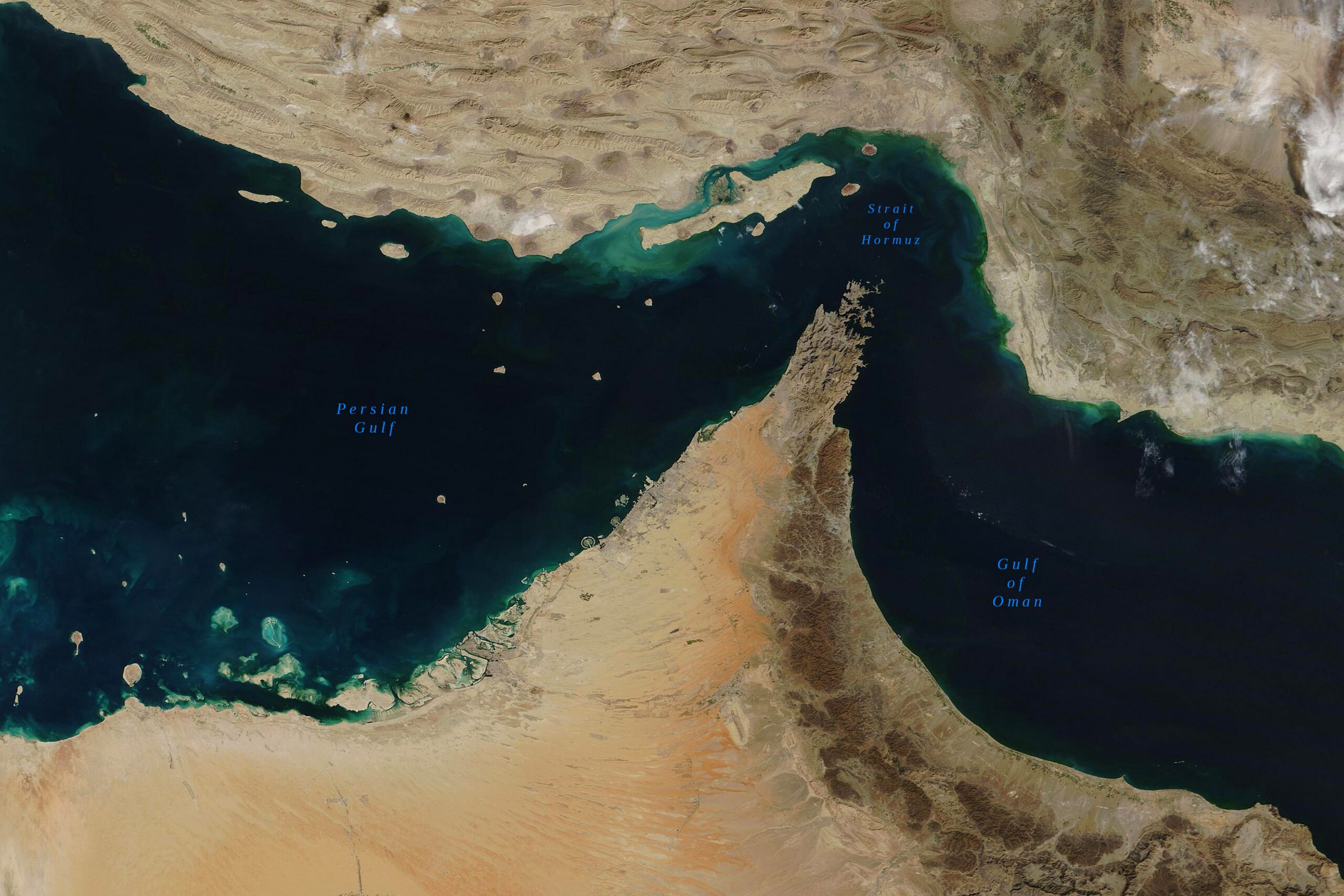
Prediction markets are currently pricing the probability of Strait of Hormuz traffic returning to normal operations by May 31, 2026, at 20.5%, according to IMF Portwatch data tracking. The market defines normalization as a 7-day moving average of at least 60 daily transit calls—encompassing container ships, tankers, bulk carriers, and other commercial vessels. With trading volume exceeding $4.5 million, the market reflects genuine uncertainty about one of the world's most strategically significant waterways, through which roughly one-third of global maritime trade passes.
Why It Matters
The Strait of Hormuz serves as a critical juncture for global energy and commerce, connecting Middle Eastern oil and liquefied natural gas producers to markets worldwide. Disruptions to normal traffic patterns carry outsized consequences for energy prices, supply chain stability, and economic growth across multiple regions. The relatively low probability assigned by traders suggests market participants expect either prolonged geopolitical tensions in the region or structural changes to shipping patterns that persist well into mid-2026. Understanding whether traffic recovers to baseline levels by May carries implications for energy markets, insurance costs, and global shipping logistics planning.
Key Factors
The low 20.5% probability reflects several underlying concerns. Regional geopolitical tensions, including maritime security incidents and potential military escalations, have historically disrupted Strait traffic and show no clear resolution timeline. Shipping companies may continue rerouting around the Cape of Good Hope despite longer transit times, if they assess the Strait as persistently risky. The threshold of 60 daily transits represents a meaningful recovery benchmark—suggesting traders expect either continued disruption or sustained rerouting to remain economically viable alternatives through May 2026. Insurance premiums, which have climbed during periods of Strait uncertainty, would need to normalize alongside actual traffic recovery for traditional routing to resume as standard practice.