Market Overview
Prediction market participants are currently assigning an 81.5% probability that the Trump administration will lose its appeal in V.O.S. Selections, Inc. v. United States and that importers will receive refunds of invalidated tariffs by June 30, 2026. The market has maintained this probability level over the past 24 hours, with $387,552 in trading volume, indicating a relatively settled consensus among traders despite the high stakes involved. The resolution criteria require both an appeal denial and actual refunds—not merely announcements or plans—making this a relatively stringent test that filters out partial victories or procedural wins.
Why It Matters
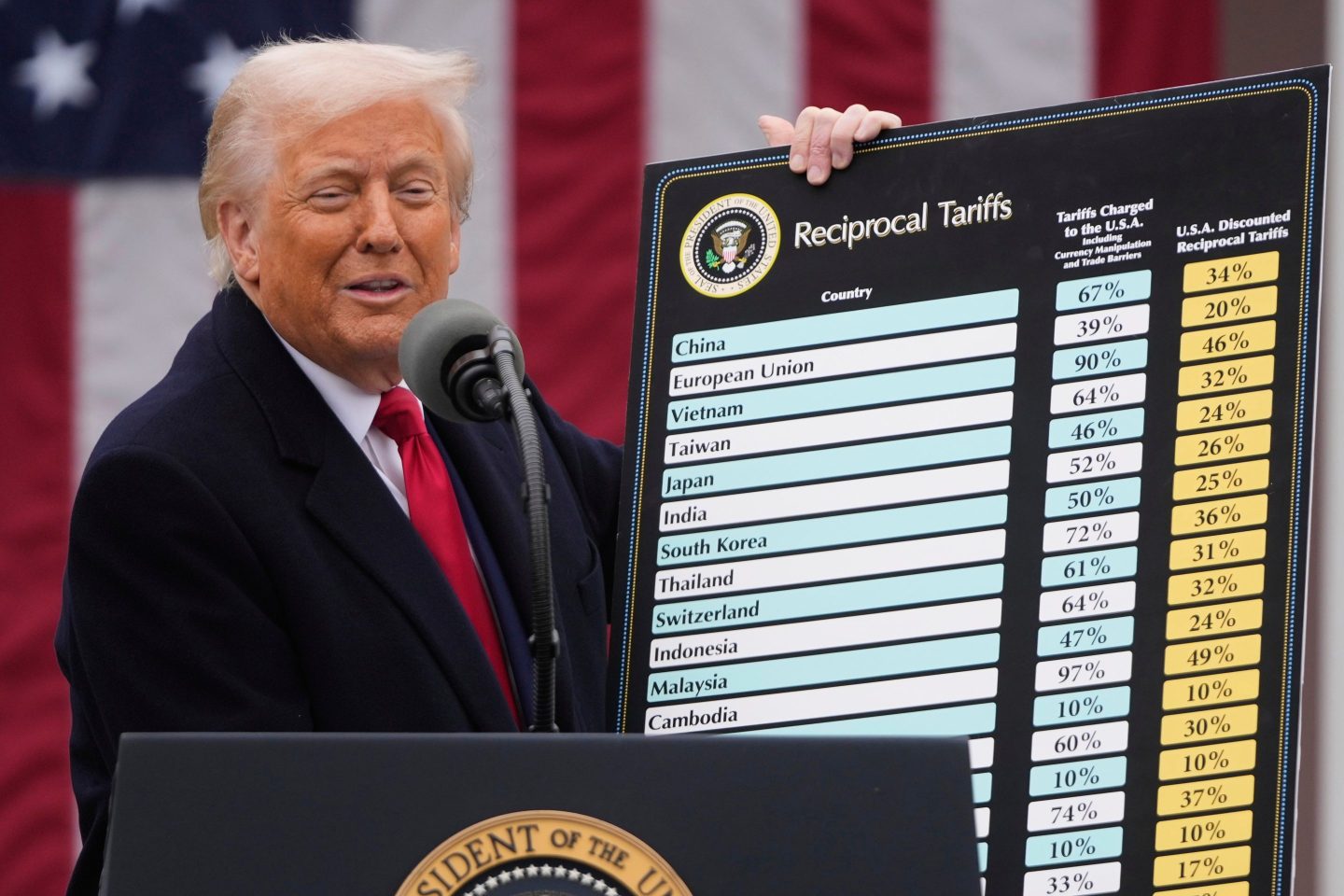
The underlying legal question addresses fundamental limits on presidential authority during declared emergencies. On May 28, 2025, the U.S. Court of International Trade determined that Trump's invocation of the International Emergency Economic Powers Act (IEEPA) did not provide sufficient legal basis for sweeping tariffs, including the \"Liberation Day\" package imposing 10% across-the-board tariffs and country-specific rates up to 50%. The court's decision, if upheld on appeal, would represent a significant constraint on executive power during economic emergencies and establish precedent for future administrations. For importers, the financial implications are substantial: tariff refunds would represent millions or billions of dollars in recoverable duties, depending on the volume of affected trade during the period these duties were collected.
Key Factors
The high probability assigned by traders appears to rest on several legal considerations. First, the lower court issued a detailed ruling finding the tariffs exceeded statutory authority—a finding that appellate courts typically review deferentially when issues of fact and statutory interpretation are involved. Second, IEEPA imposes specific conditions on tariff authority that the May ruling found were not met, providing a concrete legal hook for appeals courts to uphold the decision. However, traders acknowledge meaningful uncertainty: appellate courts sometimes reverse lower court decisions, and the Trump administration's legal team has filed a consolidated appeal strategy, suggesting confidence in reversal arguments.
The market's 81.5% probability also reflects timing considerations. The June 30, 2026 deadline gives approximately 13 months for the appeal process to conclude and refunds to be issued. Federal court appeals typically take 12-18 months, meaning the market is pricing in a compressed timeline—the appeal would need to be decided relatively quickly and refunds issued immediately thereafter. Any delay in the appellate process could push resolution past the deadline, automatically resolving the market to \"No\" regardless of the appeal outcome.
Outlook
Key developments that could shift the market probability include oral arguments in the appeal, which may signal how judges view the government's legal position, and any interim rulings on procedural matters. A decision by the Trump administration to negotiate a settlement or withdraw certain tariffs could also affect trader expectations. On the refund mechanics, traders will likely monitor whether U.S. Customs and Border Protection or Treasury have prepared systems to issue refunds if required, as actual execution within the timeframe is essential for resolution. The market's current pricing suggests traders view the legal case as relatively strong against the government, but execution risk and appellate unpredictability keep the probability short of overwhelming consensus.