Market Overview
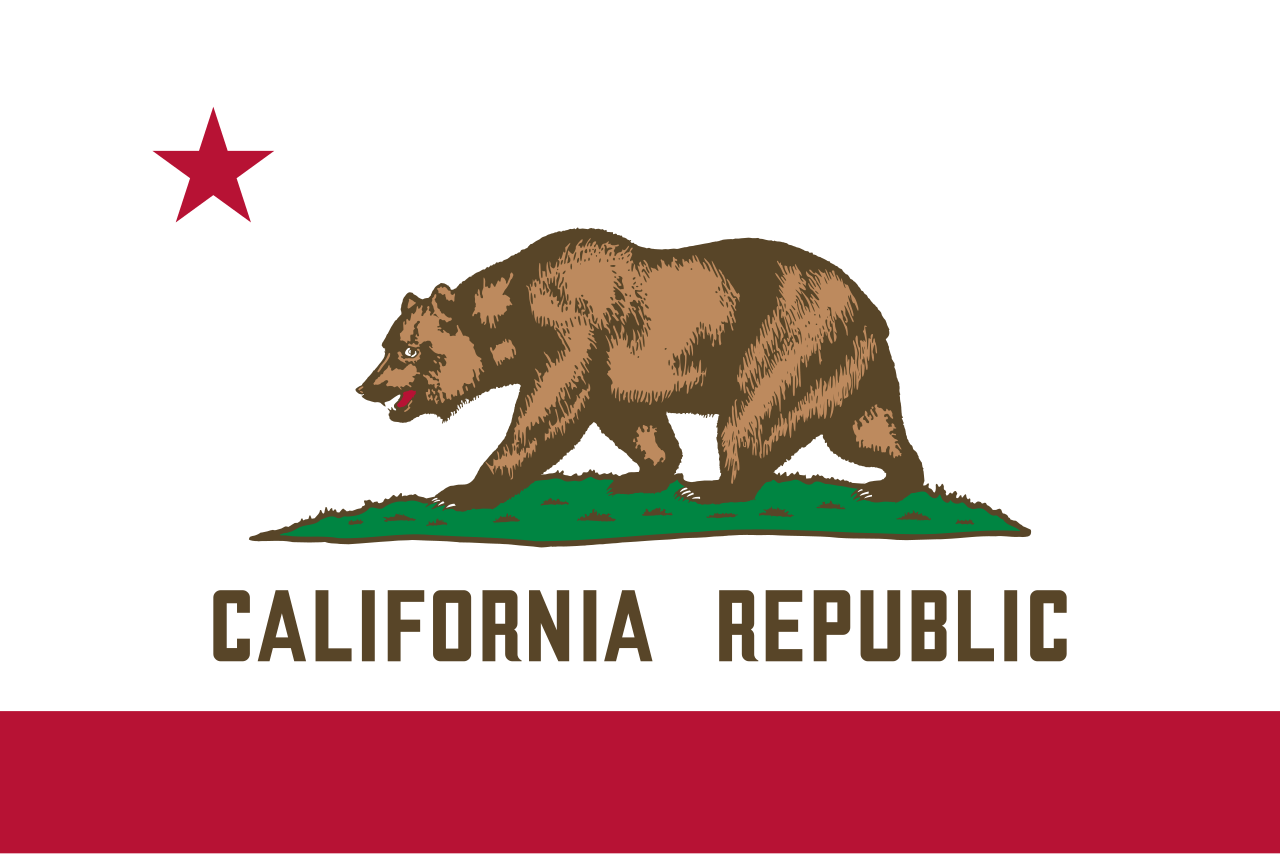
Tom Steyer, the billionaire activist and former Democratic presidential candidate, is being given a 43.4% probability of winning the California gubernatorial election scheduled for November 3, 2026. With over $3.1 million in trading volume, the market reflects meaningful engagement from participants assessing the race nearly two years in advance. The stable probability over the past 24 hours suggests the market has settled into a consensus view rather than reacting to breaking news.
Why It Matters
California's gubernatorial elections draw national attention due to the state's size, resources, and influence on Democratic politics. At 43%, the implied odds suggest Steyer is a frontrunner but faces significant competition—indicating the race remains genuinely uncertain. This level of probability typically reflects a candidate seen as viable and well-funded but not dominant, positioning the race as a genuine multi-candidate competition rather than a coronation. The outcome could shape Democratic direction on major issues including housing, energy policy, and economic regulation.
Key Factors
Steyer's profile as a wealthy, nationally-recognized political figure with substantial personal resources to fund a campaign appears to underpin his competitive standing. His previous runs for national office, while unsuccessful, provided name recognition and an existing political organization. However, the 43.4% probability implicitly acknowledges significant headwinds: Steyer is not an incumbent or sitting politician, and California voters may prefer candidates with direct governance experience. The market is also pricing in uncertainty about the broader Democratic primary field—other potential candidates could fragment the vote or emerge as stronger alternatives depending on political developments over the next 18-24 months.
Outlook
The probability could shift materially based on several developments: whether Steyer formally announces his candidacy and begins campaigning, the entry or withdrawal of other major candidates, economic conditions in California heading into 2026, and broader shifts in California Democratic politics. Primary endorsements from major party figures, union support, and polling in the latter half of 2025 would likely influence market pricing. As the election draws closer and the field clarifies, current odds may expand or contract significantly depending on the competitive landscape that actually materializes.