Market Overview
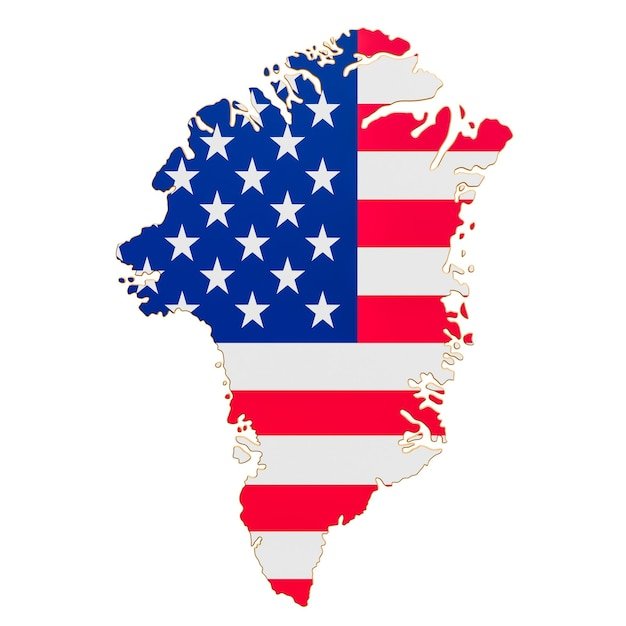
With nearly $9.7 million in trading volume, the Greenland acquisition market represents one of the more heavily bet geopolitical propositions in recent prediction markets. The 14% implied probability—unchanged over the past 24 hours—suggests traders view U.S. territorial acquisition in Greenland as a low-probability outcome, yet one with sufficient plausibility to warrant meaningful capital allocation. This probability exceeds typical background rates for novel territorial transfers between established democracies, indicating market participants believe specific conditions or intentions have shifted the baseline likelihood.
Why It Matters
The resolution criteria are notably specific, requiring a binding legal instrument that transfers sovereignty or grants the United States primary or exclusive jurisdiction over any defined territory. This bars non-binding announcements, negotiations, leasing agreements, or military base arrangements—the market demands actual formal control. Such precision reflects the extraordinary nature of what would constitute an outcome: the involuntary or voluntary permanent loss of Greenlandic or Danish territory to U.S. political control. The distinction between binding agreements and proposals is critical, as it means preliminary diplomatic frameworks or presidential statements alone cannot satisfy the condition. The inclusion of acquisition through force further broadens the resolution scope beyond peacefully negotiated transfers.
Key Factors
Multiple drivers inform the current 14% assessment. Greenland's strategic location in the Arctic, its mineral resources, and its proximity to shipping lanes and Russian territory create latent U.S. interest in enhanced access or control. The U.S. maintains a military presence via Thule Air Base, but the market requires something substantially beyond that arrangement. Greenlandic home rule and autonomy within the Kingdom of Denmark provide the island with genuine negotiating power; any formal transfer of territory would require either Danish governmental consent or a capacity on the U.S. part to unilaterally establish control. The two-year timeframe through end-2026 compresses the window for such a historically unprecedented transfer. Political will in Washington, Copenhagen, and Nuuk (Greenland's capital) remains opaque but appears insufficient at present to pursue such a formal acquisition. The market's stability at 14% over recent hours suggests no fresh catalysts have emerged to sharply shift expectations.
Outlook
For the probability to move materially higher, observable developments would likely include serious diplomatic initiatives, legislative proposals in the U.S. Congress, or formal negotiations between the U.S. government and Greenlandic or Danish authorities. Conversely, official statements definitively ruling out such acquisition, renewed political cooperation frameworks, or Denmark strengthening Greenland's autonomy within the kingdom could suppress the probability further. The current level reflects a \"tail risk\" pricing: low baseline expectation of a formally binding territorial transfer, yet acknowledgment that geopolitical contingencies could alter that calculus within 24 months.