Market Overview
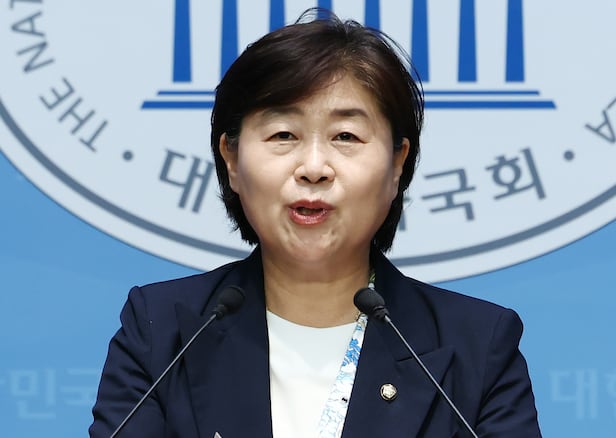
The 2026 Seoul mayoral election prediction market currently values Seo Young-kyo's chances at 0.2%, reflecting deep pessimism among traders about his prospects in the race for South Korea's most prominent local office. Despite this minimal probability, the market has generated $3.16 million in trading volume, indicating genuine engagement with multiple candidates in what will be a high-stakes election for the capital city's leadership. The stable pricing over the past 24 hours suggests this assessment has stabilized rather than recently shifted.
Why It Matters
Seoul's mayor commands significant influence within South Korea's political landscape, given the city's status as the nation's capital and largest metropolitan area. The 2026 election will shape mayoral governance through 2030 and potentially influence national political dynamics, as prominent local figures often transition to higher office. The substantial volume in this market reflects both the election's domestic importance and the growing participation of prediction market traders in international political events.
Key Factors
The 0.2% probability suggests traders view substantial structural barriers to a Seo Young-kyo victory. These could include competition from higher-profile candidates, party affiliation disadvantages relative to frontrunners, prior electoral performance, or limited name recognition compared to rivals. South Korea's complex political environment features shifting factional alignments and regional voting patterns that traditionally favor certain candidate profiles. Without recent polling data publicly available through prediction markets, the extremely low odds indicate either that competing candidates are perceived as significantly stronger, or that Seo Young-kyo faces fundamental electability constraints in the Seoul electorate.
Outlook
For the probability to shift materially upward, significant developments would likely be required: substantial changes in candidate fields, notable scandals affecting frontrunners, shifts in South Korean political factional dynamics, or unexpectedly strong primary or polling performance by Seo Young-kyo. The extended timeline until the June 2026 election provides ample opportunity for such changes, though the current market positioning suggests traders assign extremely low baseline expectations to this particular candidate. The high trading volume indicates the market will remain active as the election approaches and new information emerges.