Market Overview
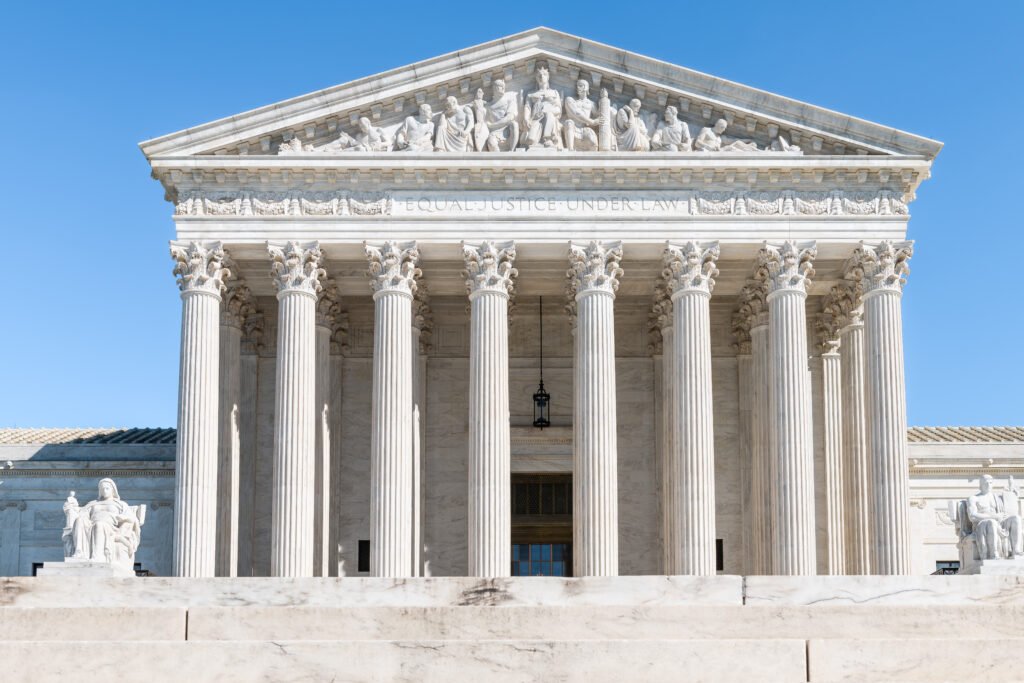
Prediction markets are assigning a 13.5% probability to the Supreme Court granting certiorari in a case addressing sports event contracts, derivatives regulation, or federal-state gambling authority by the end of July 2026. With nearly $930,000 in trading volume, the market reflects meaningful engagement from legal professionals and market participants tracking this emerging regulatory intersection. The probability has remained stable at this level over the past 24 hours, indicating a consensus view rather than reaction to recent developments.
Why It Matters
The question targets a genuine legal grey zone that could reshape the sports betting and derivatives landscape. At issue are whether sports event contracts qualify as regulated commodities under federal law, whether the Commodity Futures Trading Commission's jurisdiction preempts state gambling regulations, and what authority states retain to permit or prohibit such products. A Supreme Court intervention could clarify jurisdictional boundaries that currently leave market participants and regulators navigating conflicting regulatory frameworks. The stakes are substantial given the growth of legal sports betting following the 2018 PASPA repeal and the emergence of novel betting products.
Key Factors Limiting Near-Term Certiorari
Several structural factors explain the low 13.5% assessment. First, the Supreme Court typically requires circuit splits or recurring legal conflicts to grant certiorari, and comprehensive litigation on these specific sports contract issues remains in early stages across federal courts. Second, the timeframe is compressed—fewer than 18 months remain until the deadline, limiting how many cases can work through district courts, appellate review, and certiorari petition stages. Third, regulatory bodies including the CFTC and state gaming commissions are still developing frameworks, meaning foundational legal questions may not yet be fully litigated. Fourth, political sensitivity around gambling regulation may make the Court reluctant to intervene absent clearer precedential need.
Potential Catalysts for Shift
The probability could move materially higher if a federal appeals court issues a significant ruling on one of the three specified questions, triggering competing interpretations that create pressure for Supreme Court resolution. A direct conflict between CFTC regulatory claims and state gaming authority determinations, or a Circuit Court split on commodity status, would strengthen the case for certiorari. Additionally, rapid expansion of novel sports derivatives products into mainstream markets could elevate the issue's practical urgency. Conversely, if industry participants and regulators reach informal consensus on permissible products and jurisdictional boundaries, the Court's incentive to intervene would diminish further.
Outlook
At 13.5%, the market reflects genuine but minority probability that the Supreme Court treats this as sufficiently mature for high-court review within the specified window. Legal observers can monitor lower court dockets for appellate decisions on sports contract regulation—such a ruling would be the most likely precursor to certiorari activity. Absent a significant appellate development or regulatory crisis, the baseline expectation remains that this issue, while consequential, will continue evolving through standard judicial channels rather than reaching the nation's highest court in the near term.