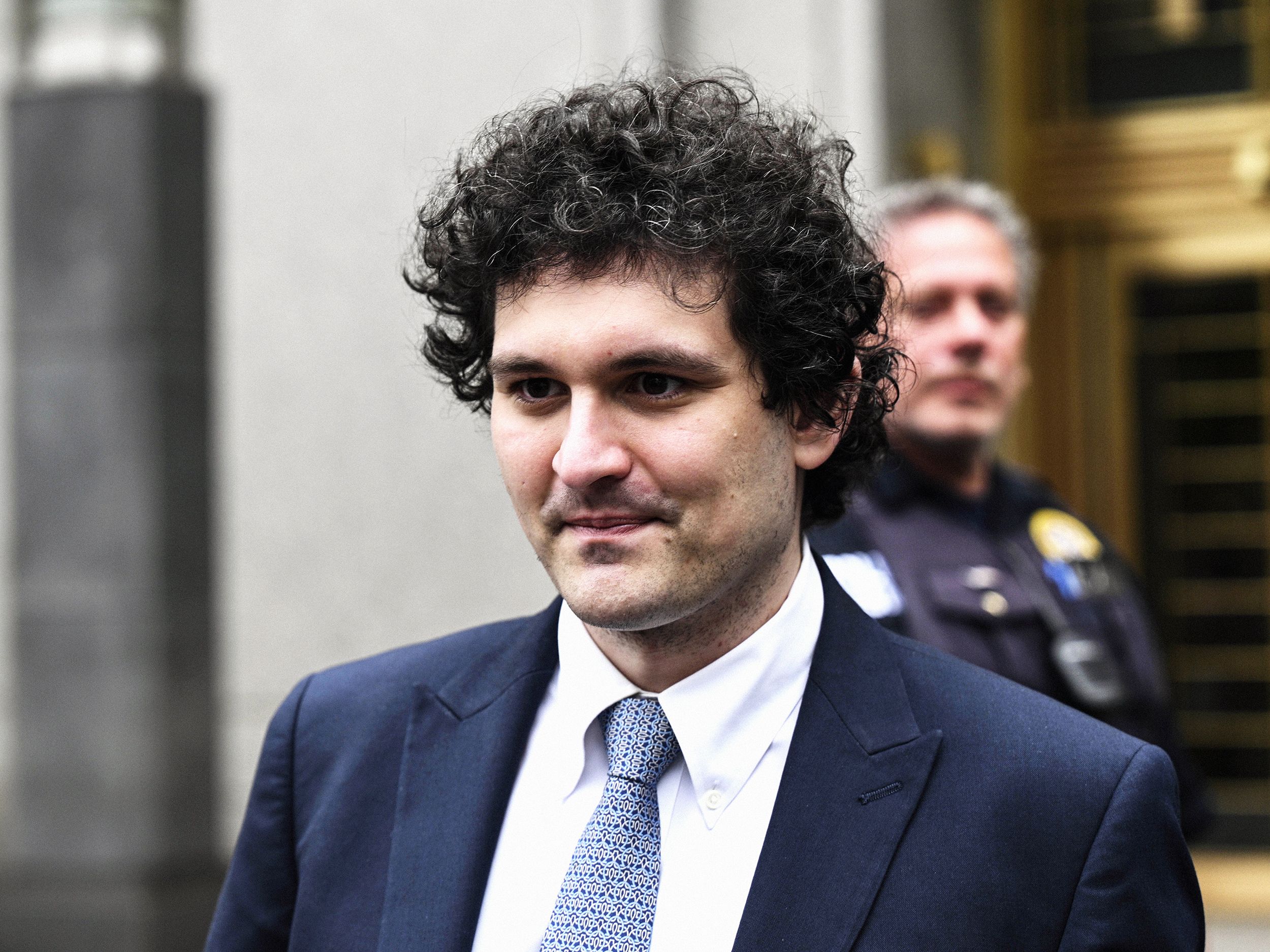
Market Overview
Prediction markets are currently pricing the probability of Sam Bankman-Fried's release from custody by December 31, 2026, at 7.5%, with trading volume reaching $340,410. This represents roughly a 1-in-13 chance and has remained stable over the past 24 hours, suggesting market participants have settled on a consensus view. The narrow probability window reflects the market's baseline expectation that any release within the specified timeframe is unlikely, though not impossible.
Why It Matters
The SBF case represents one of the most significant white-collar criminal proceedings in recent years, involving the collapse of FTX, a cryptocurrency exchange that once commanded a $32 billion valuation. The outcome carries implications not only for the defendant but for regulatory discourse around cryptocurrency exchanges, internal controls at fintech companies, and sentencing practices in complex fraud cases. Market expectations about release timing provide insight into how financial professionals and observers assess the severity of charges and likely judicial outcomes.
Key Factors
Several factors support the low probability pricing. SBF faces serious felony charges including wire fraud, money laundering, and conspiracy related to the collapse of FTX and Alameda Research. Judges in high-profile financial fraud cases typically impose substantial sentences, and the scope of SBF's alleged conduct—billions in customer funds—suggests potential for a significant custodial term. Additionally, release by end of 2026 would require either a surprisingly lenient sentence, a successful appeal, or early release mechanisms, all of which appear unlikely given the gravity of allegations. The market's pricing suggests consensus that any prison term is more likely to extend well beyond the 24-month window.
However, some scenarios could support release by the deadline. Plea agreements or cooperation with authorities could result in reduced sentences, though there is no current indication of such arrangements. A successful appeals process, while uncommon in established prosecutions, remains theoretically possible. Health issues or extraordinary circumstances could theoretically enable earlier release, though such outcomes are rare in cases of this magnitude.
Outlook
The market is unlikely to shift meaningfully unless substantive legal developments emerge—such as plea negotiations, significant appeals court rulings, or unexpected sentencing guidelines shifts. The 7.5% probability essentially reflects baseline skepticism that release within roughly 24 months remains more speculative than probable. Traders would likely require material new information about the case trajectory or sentencing expectations to significantly alter current positioning.