Market Overview
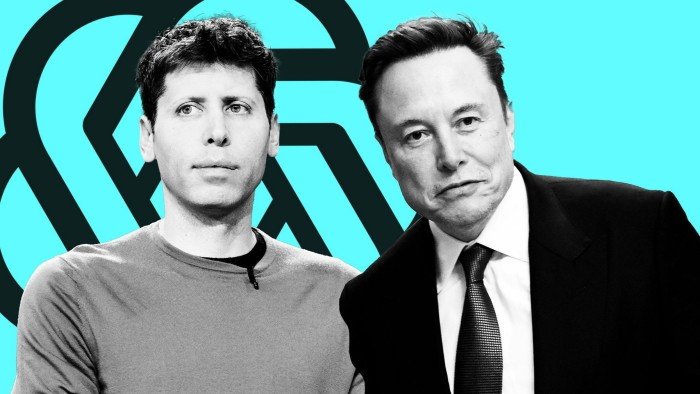
A U.S. District Court case brought by Elon Musk against Sam Altman and others in California is currently priced at a 37% probability of Musk achieving a net victory by December 31, 2026. The prediction market has recorded $196,442 in volume, indicating sustained interest despite stable odds over the past 24 hours. The resolution criteria are notably complex, weighing monetary awards, the scope of claims prevailed upon, and the specifics of any settlement—meaning a Musk victory requires either net financial recovery, success on his largest-relief claims, or favorable dismissal terms.
Why It Matters
This litigation involves high-profile figures central to artificial intelligence and entrepreneurship, making its outcome relevant to governance questions around nonprofit-to-for-profit transitions and founder accountability in AI development. The case touches on governance disputes within OpenAI and the relationship between Musk and the company he co-founded. Resolution by the end of 2026 would provide clarity on whether courts will substantively second-guess the strategic decisions made by Altman and OpenAI's leadership, with implications for similar disputes in the tech sector.
Key Factors
The 37% pricing suggests market participants view Musk's position as materially weaker than even odds, despite his substantial resources and legal team. Several structural challenges likely contribute to this probability. First, the burden of proving damages and establishing that Altman's conduct caused quantifiable harm falls on Musk, a threshold that litigation data shows is frequently difficult to meet in contract and governance disputes. Second, Altman and his co-defendants have incentives to settle early or secure dismissals on technical grounds, which under the market's criteria would resolve against Musk unless settlement explicitly favors him financially. Third, the complexity of the resolution framework—requiring careful evaluation of which claims seek the largest relief and how many primary causes of action each party prevails on—introduces uncertainty that may be discounting Musk's chances.
The market's implicit assessment also reflects the typical asymmetries of civil litigation. Defendants often succeed in limiting exposure through procedural mechanisms, partial summary judgments, or settlements structured to avoid explicit payment directions (which would resolve this market to \"No\" under the stated criteria). For Musk to win, he would need either a clear court judgment awarding him net damages or Altman voluntarily dismissing claims against him with prejudice—a relatively narrow path compared to the multiple routes available to the defense.
Outlook
Key developments that could shift the market significantly include any early rulings on motions to dismiss or summary judgment, which would provide concrete evidence of judicial receptiveness to Musk's claims. Discovery proceedings and depositions of Altman and other defendants could reveal factual admissions supporting Musk's case, potentially raising odds. Conversely, evidence that OpenAI's leadership acted within standard governance practices or that Musk's remedies are primarily contractual rather than tortious could further entrench the current probability. Settlement discussions, if disclosed, would also be market-moving, particularly if they reveal the direction of any payment flows. The current 37% probability reflects a market view that while Musk's case has merit sufficient to avoid immediate dismissal, the structural and evidentiary hurdles favor a non-victory outcome by the December 2026 deadline.