Market Overview
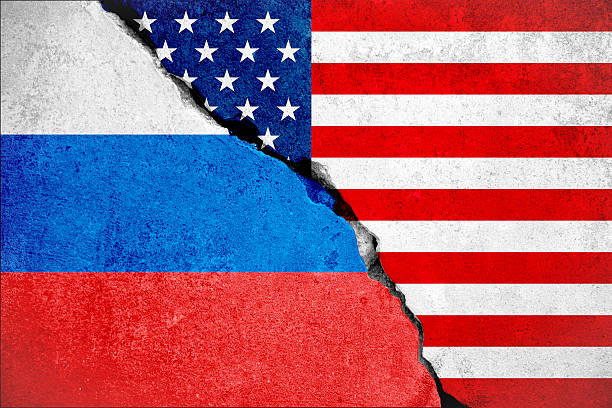
The prediction market on a Russia-Ukraine ceasefire by June 30, 2026, is trading at 8.5% probability, indicating that traders view such an agreement as highly unlikely within the next 18 months. With $4.6 million in volume, the market has attracted substantial interest, yet the probability has remained stable over the past 24 hours, suggesting a consensus view among participants rather than recent shifts in sentiment. The relatively low odds reflect the market's assessment that the conditions necessary for a formal, mutually agreed halt in military operations remain distant.
Why It Matters
A ceasefire agreement represents a critical threshold in conflict resolution—one that requires both parties to accept the current military situation as a basis for negotiations and commit to halting active combat operations. The specificity of this market's criteria is significant: it requires not merely a framework or future peace plan, but an explicit, publicly announced, and dated commitment to stop fighting. This distinction excludes humanitarian pauses, sector-specific truces, or political agreements that lack an immediate military pause. For investors and analysts monitoring the conflict, the 8.5% probability serves as a quantified measure of how distant comprehensive peace negotiations appear to the broader market.
Key Factors Driving Low Probability
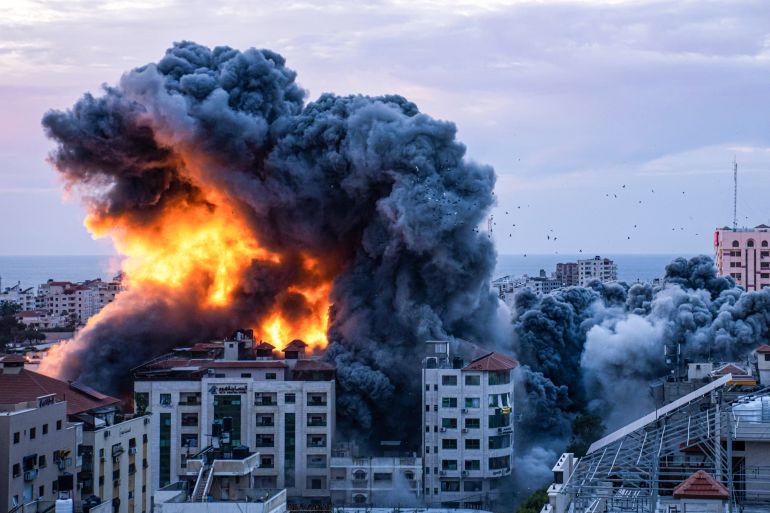
Several structural factors underpin the low odds. First, neither Russia nor Ukraine has shown willingness to accept a ceasefire on terms the other side finds acceptable. Russia has demanded territorial concessions and security guarantees that Ukraine's government and Western allies view as unacceptable; conversely, Ukraine has insisted on full territorial integrity. Second, the conflict remains militarily active with no clear stalemate forcing both sides to negotiate—a common precursor to ceasefires. Third, the 18-month timeframe is relatively compressed for a conflict of this magnitude and complexity; historical precedents suggest major wars typically require years of military exhaustion or significant geopolitical shifts before ceasefire negotiations gain traction. Fourth, domestic political pressures in both countries—including public sentiment against capitulation—create domestic constraints on negotiation flexibility.
Outlook and Developments to Watch
For the probability to rise materially, key developments would need to emerge: a significant shift in the battlefield balance that forces either side to reconsider military strategy; a major change in international diplomacy or mediation efforts involving major powers; or internal political changes in either Russia or Ukraine that alter leadership negotiating positions. Conversely, continued military engagement, escalation, or hardening of negotiating positions would likely reinforce current low probabilities. Traders should monitor statements from diplomatic channels, any formal peace talks, and indicators of military stalemate. The stability of this market at 8.5% over recent periods suggests participants view near-term ceasefire prospects as genuinely distant, a view consistent with public statements from both governments and international observers.