Market Overview
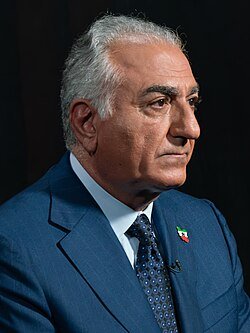
Prediction markets currently price the likelihood of Reza Pahlavi holding effective governing authority over Iran at 9.5%, with the market showing stability over the past 24 hours. The $1.14 million in volume indicates substantial interest in Iran's political trajectory, though the relatively low probability reflects widespread skepticism about near-term regime change. The resolution criteria explicitly require de facto control—including command of armed forces, executive ministries, and state institutions—rather than symbolic recognition or exile leadership, setting a high bar for affirmative resolution.
Why It Matters
Iran's political future carries significant geopolitical weight, with implications for Middle Eastern stability, nuclear diplomacy, and regional power balances. Reza Pahlavi, as the son of the last Shah and a vocal critic of the Islamic Republic, represents one potential opposition pathway to leadership. However, his ability to translate external support and domestic discontent into actual state control within 24 months remains a fundamental question for investors assessing Iranian political risk. The market's assessment of a sub-10% probability reflects the formidable structural barriers to such a transition.
Key Factors
Several structural obstacles constrain the probability. The Islamic Republic maintains institutional coherence through the Supreme Leader's consolidated control over security forces, the Revolutionary Guards, and the judiciary—institutions deeply embedded in the regime's foundation. Reza Pahlavi's exile status means he operates without existing power bases within these institutions, and regime opponents remain fragmented across secular, religious reformist, and ethnic lines without unified leadership. The two-year timeframe is compressed for orchestrating either a popular uprising capable of overwhelming state security apparatus or internal elite defection sufficient to transfer power. Conversely, factors that could increase the probability include accelerating regime delegitimization, unprecedented economic crisis, or major internal fractures within the security establishment—none of which appear imminent based on current reporting.