Market Overview
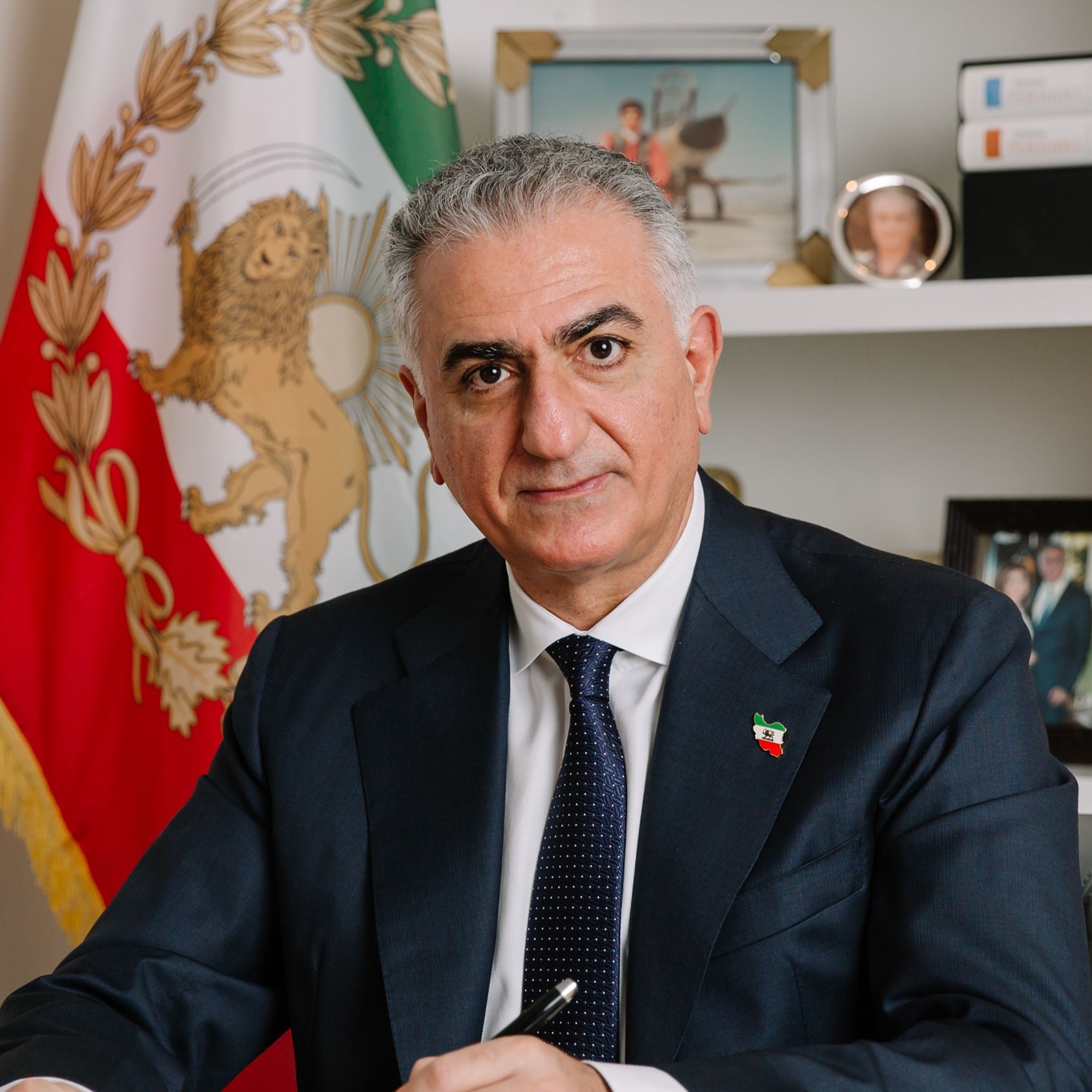
With nearly $3.6 million in trading volume, the Reza Pahlavi market represents a moderately liquid gauge of sentiment around whether the son of Iran's last shah will return to Iranian territory within the next 18 months. The current 5.5% probability has remained stable over the past day, suggesting the market has reached an equilibrium estimate that factors in both the theoretical possibility of dramatic political change and the practical obstacles facing such a visit.
Why It Matters
A physical return by Pahlavi—who has lived in exile for decades and has become the symbolic figurehead of Iranian monarchist and reform opposition movements—would signal either extraordinary political upheaval within Iran or a dramatic reversal in the Islamic Republic's stance toward the Pahlavi family. The low probability reflects market participants' assessment that neither scenario is likely in the near term. However, the question carries geopolitical weight given Iran's internal tensions, regional conflicts, and the unpredictability of authoritarian transitions.
Key Factors
Several structural impediments support the low odds. The Iranian government has historically treated Pahlavi as an enemy of the state, and there are no credible reports of negotiations or back-channel discussions that would facilitate a safe visit. Pahlavi himself has positioned as a potential leader of post-Islamic Republic governance, which makes any such visit appear as a political move rather than a private journey—heightening both personal risk and regime resistance. Additionally, the current geopolitical environment, marked by U.S.-Iran tensions and internal Iranian protests, does not suggest the conditions for rapprochement that would permit his return. The probability would require either a fundamental collapse of regime authority, a negotiated political transition, or an extraordinary security agreement—all of which remain distant possibilities.
Outlook
For the probability to shift materially higher, markets would likely need to see credible signals of political instability within Iran, diplomatic overtures between exile opposition groups and potential successor governments, or international mediation efforts. Conversely, deepening regime entrenchment or symbolic gestures of hostility toward Pahlavi could push odds even lower. The current 5.5% figure reflects a working consensus that while historical precedent exists for dramatic political reversals—as in the 1979 revolution itself—the baseline assumption is continued exclusion of the Pahlavi family from Iran under present structures.