Market Overview
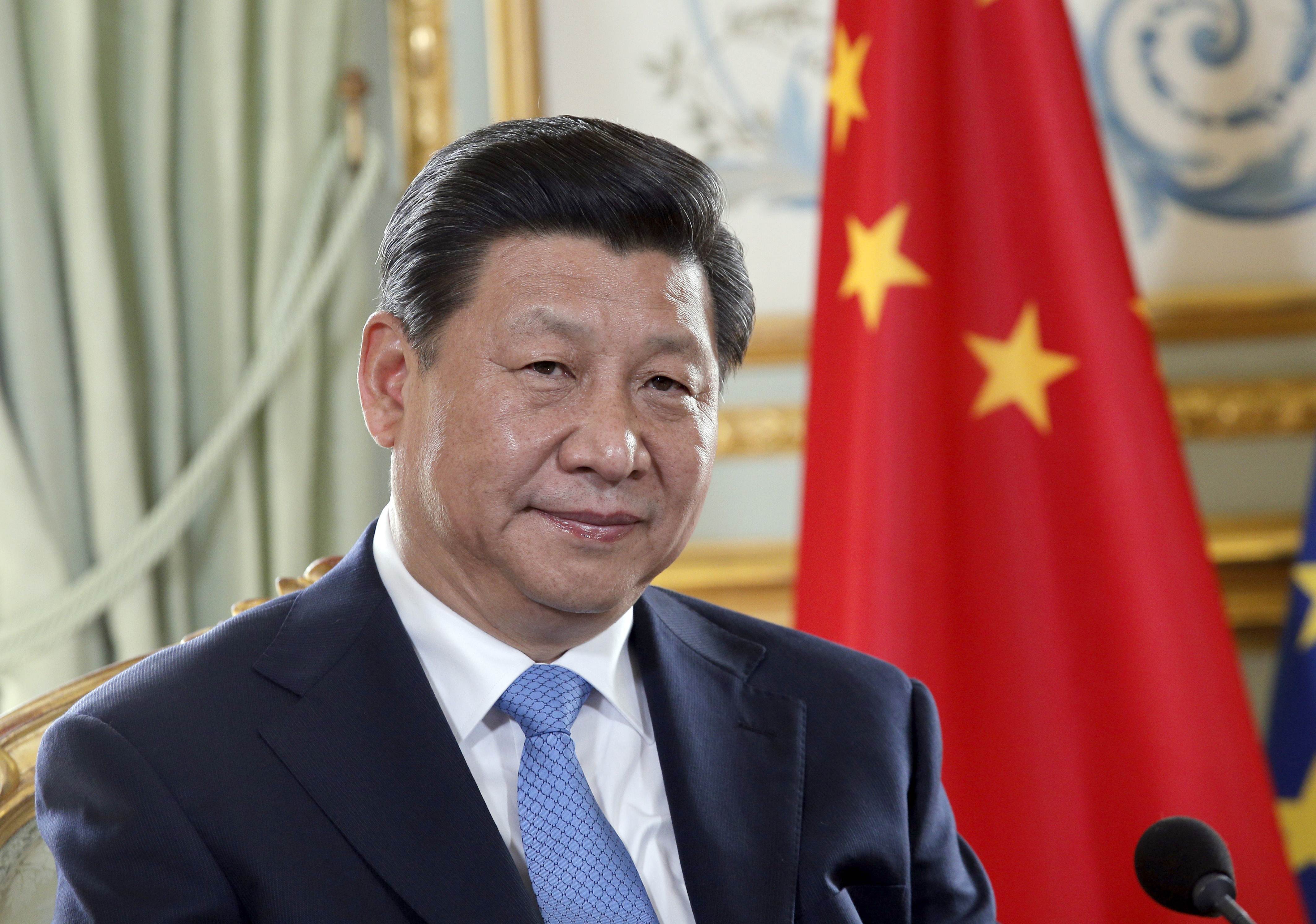
Prediction markets are pricing Xi Jinping's removal from his role as General Secretary of the Communist Party at just 2.2%, with the probability holding steady over the past day despite significant trading volume of over $2 million. The market resolves affirmatively if Xi announces his resignation or is dismissed, detained, disqualified, or otherwise prevented from fulfilling his duties as General Secretary by June 30, 2026. The low and stable probability reflects the current consensus view that his position remains fundamentally secure through the first half of 2026.
Why It Matters
Xi's tenure as China's paramount leader has been marked by a concentration of power unprecedented in recent decades. Any removal would signal either an extraordinary internal party revolt or a major political crisis, either of which could create significant uncertainty for global markets, geopolitical relations, and China's domestic governance. The stability priced into this market carries implications for investors, policymakers, and analysts assessing China's political trajectory and decision-making consistency.
Key Factors
Several structural elements support the low removal probability. Xi has consolidated control over the military, the party apparatus, and key state institutions since assuming power in 2012. His elevation to \"core leader\" status and removal of term limits in 2018 further insulated him institutionally. However, China faces mounting economic headwinds including property sector stress, slowing GDP growth, and youth unemployment, which historically can create intra-party pressure. Additionally, geopolitical tensions—particularly around Taiwan and in the Indo-Pacific—remain a potential source of miscalculation or domestic criticism. The 18-month timeframe through June 2026 provides limited runway for the unexpected developments that could destabilize his position.
Outlook
For the probability to rise materially, markets would likely need credible signals of either serious economic deterioration triggering elite dissent, a major military or diplomatic crisis, or explicit reporting of internal party divisions. Conversely, demonstrations of continued party loyalty, economic stabilization measures, or successful diplomatic initiatives could further entrench current confidence in continuity. The market's stability at 2.2% suggests participants view Xi's removal as a low-probability tail risk rather than a realistic near-term scenario.