Market Overview
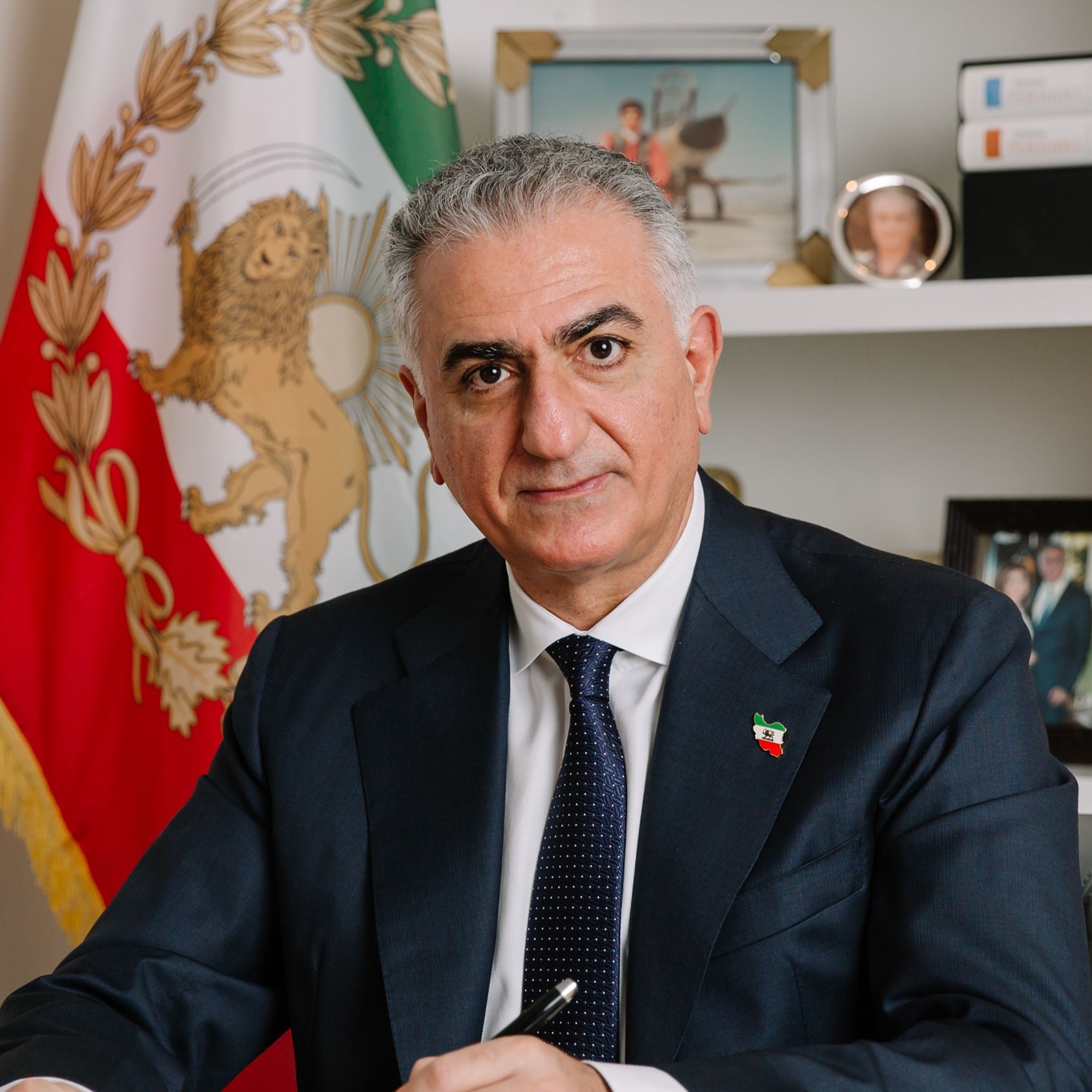
The Reza Pahlavi market commands significant trading volume of $3.6 million despite its narrow probability band. The consistent 5.5% odds over the past 24 hours indicate a stable consensus among traders, with neither bullish nor bearish sentiment currently pushing prices. This low probability reflects the considerable obstacles standing between the Iranian monarchy's heir and a return visit to his homeland after decades of exile.
Why It Matters
Reza Pahlavi, the son of the last Shah of Iran, represents one of the potential focal points for Iran's exiled opposition movement. Any return to Iran would carry profound symbolic weight—signaling either a dramatic shift in the Islamic Republic's stability or a fundamental change in the regime's willingness to negotiate with monarchist elements. For markets pricing political risk in the Middle East, this outcome serves as a barometer for systemic instability or regime transition in one of the region's most strategically important countries.
Key Factors
Multiple structural barriers keep the probability low. First, Reza Pahlavi would face severe legal jeopardy upon entry, as Iran's government views him as a threat to the Islamic Republic. Second, the broader geopolitical environment remains frozen, with no visible diplomatic thaw or internal regime fracturing that would create space for such a visit. Third, the timeframe is compressed—only 18 months from the market's perspective—making sudden reversals in Iranian state policy less probable than longer-term scenarios. The market's pricing suggests traders assign minimal credibility to scenarios involving either a palace coup, negotiated political transition, or security agreement that would guarantee Pahlavi's safety upon return.
Outlook
Movement in these odds would likely require one of several catalysts: visible cracks in the Islamic Republic's internal stability, direct negotiations between Pahlavi and Iranian factions, a major military or security shock that destabilizes the regime, or international pressure that fundamentally alters Tehran's calculus. The high trading volume suggests active interest in monitoring this geopolitical question, even if traders collectively view the near-term probability as minimal. Absent such major developments, the market appears positioned to resolve at or near current levels through mid-2026.