Market Overview
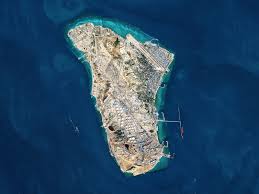
Prediction markets are currently pricing a 7.5% probability that Kharg Island will no longer be under Iranian control by the end of May 2026. With over $4 million in volume, the market reflects broad consensus that Iran will retain control of the strategically critical oil and gas installation in the Persian Gulf. The probability has remained stable over the past 24 hours, suggesting no significant shift in market sentiment regarding near-term geopolitical developments in the region.
Why It Matters
Kharg Island hosts Iran's primary crude oil export terminal and represents a vital economic asset, accounting for a substantial portion of the country's oil revenue. Control of the island also carries strategic military significance, as it provides Iran with an offshore presence in the Gulf and serves as part of its broader maritime infrastructure. Any loss of Iranian control would constitute a major shift in regional power dynamics and would have substantial implications for global oil markets, given Iran's role as a significant petroleum producer. The market's low probability of change implicitly reflects the difficulty of dislodging Iran from the island absent a broader regional conflict or negotiated settlement.
Key Factors
Several dynamics underpin the current market assessment. First, Kharg Island's remote location and Iran's established military presence there create a high threshold for any external power to capture and hold the territory. Second, while regional tensions remain elevated, no current conflict trajectory appears to directly threaten Iranian control of the island in the specified timeframe. Third, the market's resolution criteria explicitly require that another state or internationally backed authority establish actual, sustained control—not merely temporary military operations or bombardment. This high bar reflects realistic geopolitical conditions; even in scenarios of broader regional instability, establishing effective governance over the island would require either a major regional war or a negotiated agreement, neither of which markets currently assess as likely by May 2026. The stability of pricing also suggests limited recent intelligence or developments that would shift expectations materially.
Outlook
For the probability to shift materially upward, markets would likely require credible signals of an imminent regional conflict with clear trajectory toward Iranian territorial losses, or evidence of serious negotiations that might include the island's status. Conversely, any de-escalation in regional tensions or reinforcement of Iranian defenses would likely push probabilities lower. Until such developments emerge, the market's current assessment—treating Iranian retention as the overwhelmingly likely outcome—appears to reflect the status quo assessment of regional analysts and traders.