Market Overview
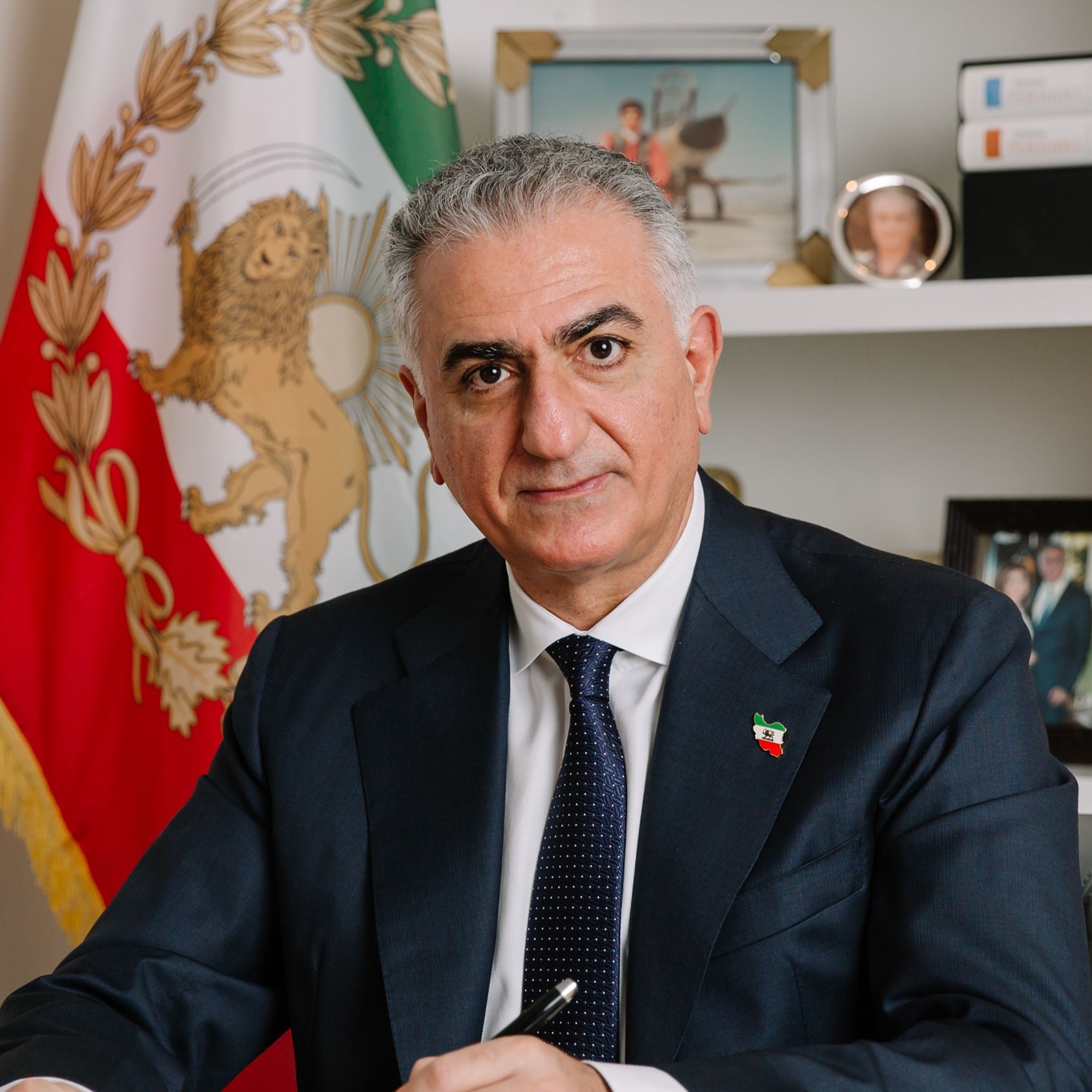
Prediction markets have established a 5.5% probability that Reza Pahlavi, the eldest son of Iran's last shah and a prominent opposition figure, will physically enter Iran before June 30, 2026. The question has generated substantial liquidity, with over $3.5 million in trading volume, suggesting significant interest among market participants in assessing the prospects for such a politically consequential event. The stable price over the past 24 hours indicates consensus around the current odds rather than shifting sentiment.
Why It Matters
Reza Pahlavi's potential return to Iran would carry enormous symbolic and political weight. As the leading face of the monarchist opposition movement abroad, his entry into Iranian territory would represent a dramatic escalation in efforts to challenge the Islamic Republic's authority and could galvanize domestic opposition. For the Iranian government, permitting such a visit would be seen as a severe loss of control and legitimacy. The question thus serves as a barometer for assessing both the viability of regime change scenarios and the likelihood of major political upheaval within Iran during the timeframe specified.
Key Factors
Several structural obstacles explain the low probability assessment. First, Reza Pahlavi has lived in exile for decades and faces certain arrest or worse if he returns—the Iranian government views him as a direct threat to its existence. Second, the Islamic Republic maintains tight border security and would prevent his entry, as permitting it would undermine the regime's fundamental claims to power. Third, no credible political pathway currently exists that would create conditions safe enough for such a visit. The monarchist opposition movement, while vocal in diaspora communities, has limited organizational capacity within Iran. Additionally, regional geopolitics offers no indication of an imminent systemic change that might create an opening for Pahlavi's return.
Outlook
For the probability to shift materially higher, several unlikely developments would need to occur: a major military or coup attempt that destabilizes the Iranian government, an international intervention scenario that fundamentally alters the security calculus, or a negotiated political transition that includes Pahlavi's participation. None of these scenarios appears probable in the near to medium term. The market's assessment at 5.5% appears to reflect realistic odds for such a consequential and high-barrier event, pricing in only the tail-risk scenarios where Iran's political structure undergoes dramatic transformation. Movement in this market would likely signal updated beliefs about Iran's internal stability or the pace of political change rather than any incremental developments in Pahlavi's own position.