Market Overview
With roughly 18 months remaining until the June 30, 2026 deadline, the prediction market for a potential Reza Pahlavi visit to Iran shows stable pricing at 5.5% probability. The market has drawn substantial interest, generating over $3.5 million in trading volume, indicating meaningful engagement from participants assessing the plausibility of such a geopolitically significant event. The unchanged price from 24 hours prior suggests consensus has solidified around the low-probability assessment despite the extended timeframe remaining.
Why It Matters
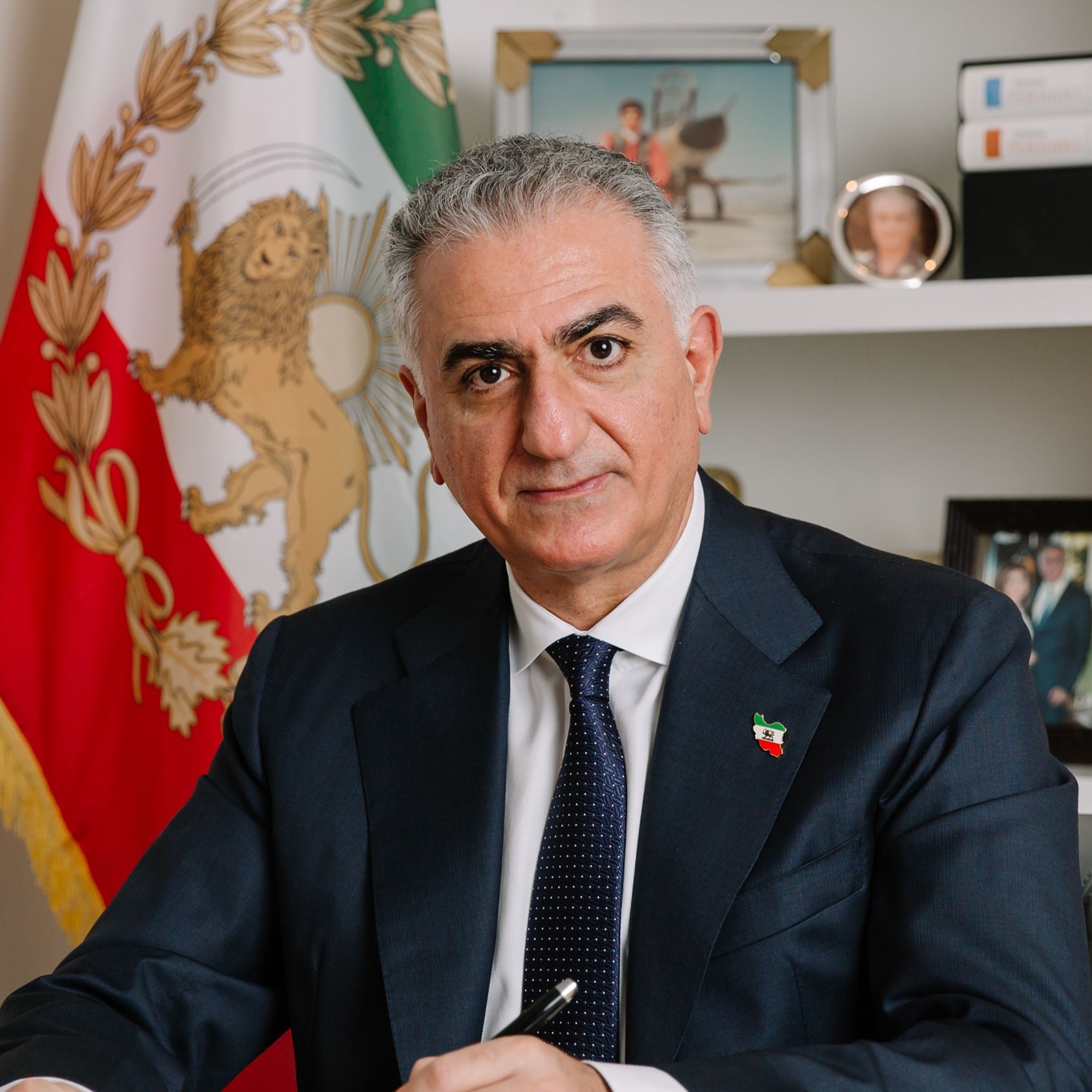
Reza Pahlavi, son of Iran's former Shah Mohammad Reza Pahlavi, represents a symbolic focal point for Iran's opposition movement and has positioned himself as a potential alternative leadership figure. A return to Iran would carry enormous historical and political significance—potentially signaling major destabilization within the Iranian regime or a fundamental shift in the country's political trajectory. The Iranian government has historically treated Pahlavi's family with significant animus, and his entry could prompt immediate security action. The market's assessment therefore serves as a barometer for how closely analysts believe regime change or major political upheaval may be approaching.
Key Factors
Several structural impediments currently support the low probability assessment. Pahlavi currently resides in the United States and maintains a public profile as an opposition leader, making any clandestine entry highly risky. The Iranian government maintains the capacity to detain or prosecute him immediately upon entry, creating severe personal danger. Additionally, no credible reporting suggests imminent conditions that would necessitate or enable such a visit—the Iranian regime remains in control, and organized opposition movements have struggled to mount effective challenges. The absence of specific triggering events or organized campaigns announcing plans for his return further reinforces the low baseline probability. A visit would require either an unexpected internal political collapse creating an opening, coordination with a major opposition movement, or an unforeseen diplomatic breakthrough—none of which current market conditions or news flow suggest are materializing.
Outlook
For the probability to meaningfully increase, markets would likely require concrete evidence of either regime instability escalating dramatically or explicit coordination between Pahlavi and significant opposition factions within Iran. Major developments such as a succession crisis, successful popular uprising, international mediation efforts, or public announcements of imminent return could shift probabilities substantially. Absent such catalysts, the market probability appears likely to remain in the single-digit range through the June 2026 deadline, treating a Pahlavi visit as a low-probability tail event contingent on major geopolitical disruption.