Market Overview
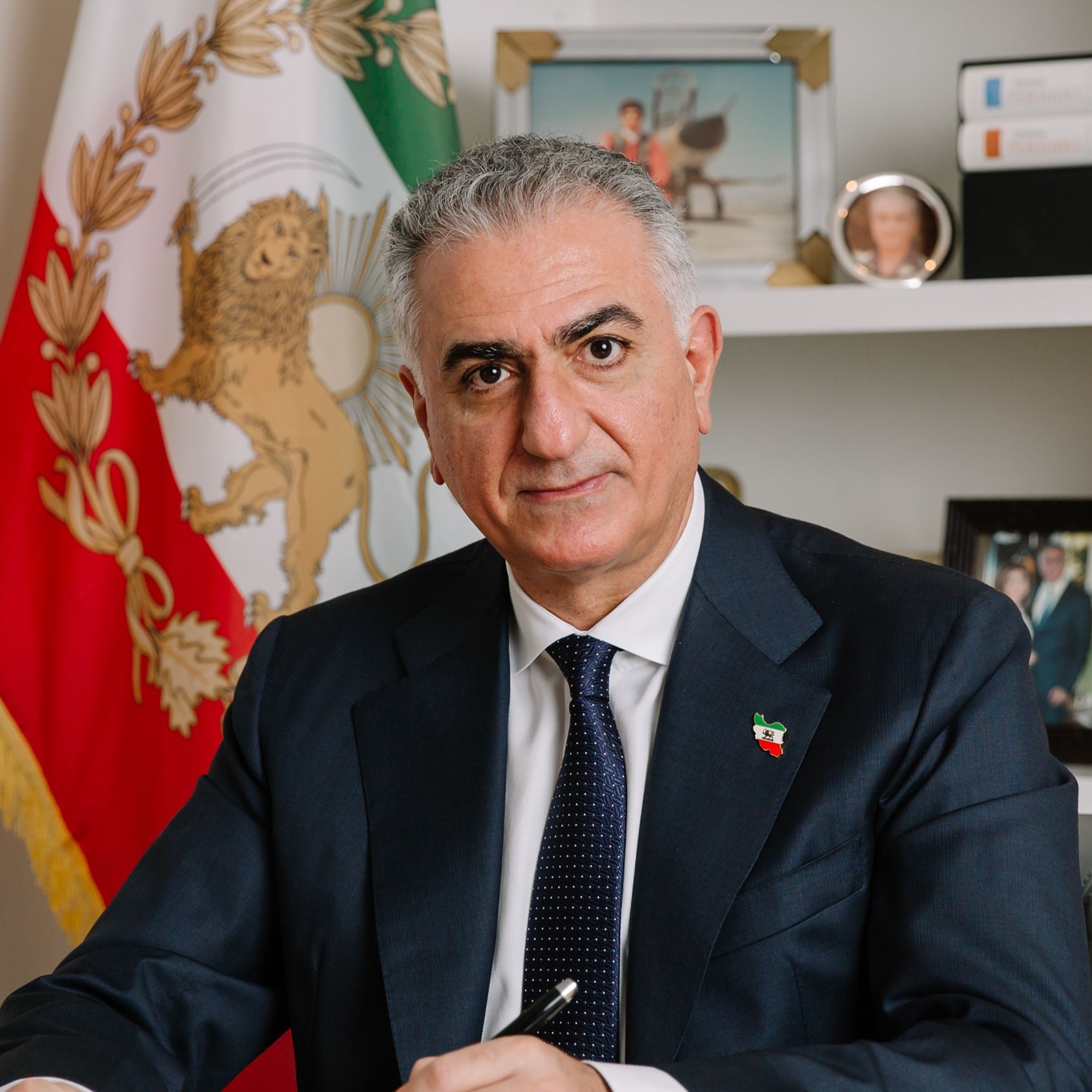
With roughly 18 months until the June 2026 deadline, traders are pricing an extremely low probability—5.5%—that Reza Pahlavi, the son of Iran's last shah and a prominent opposition voice in exile, will set foot on Iranian soil. The market has shown stability, with no meaningful movement from 24 hours prior, suggesting the probability reflects a settled consensus rather than reactive trading. The $3.6 million in volume indicates substantial interest in what remains a highly speculative proposition.
Why It Matters
A return by Pahlavi would constitute a extraordinary political development in Iran, where the Islamic Republic has ruled since 1979 and views the Pahlavi family as a symbol of the deposed monarchy. Such a visit would signal either a dramatic shift in the regime's calculations, a successful opposition movement creating conditions for his safe passage, or a unilateral decision to risk arrest or worse. For traders and observers, the market reflects assessments of whether internal Iranian politics could shift enough—through popular uprisings, factional divisions, or external intervention—to make such a return feasible within an 18-month window.
Key Factors
Multiple structural barriers keep the probability depressed. The Iranian government has consistently positioned itself as hostile to Pahlavi's symbolic return, viewing it as delegitimizing. Pahlavi himself, based in the United States and Europe, has called for regime change but operates in a constrained diplomatic environment. The timeframe is relatively short; significant political transitions rarely occur with sufficient speed and certainty to enable an opposition leader's return within 18 months. Additionally, the resolution criterion requires physical terrestrial entry—a high bar that excludes symbolic or clandestine operations. Recent regional volatility, while creating uncertainty, has not visibly shifted market pricing, suggesting traders see current geopolitical tensions as unlikely to resolve in ways that facilitate Pahlavi's return.
Outlook
For the probability to rise materially, major developments would be required: credible signs of regime destabilization, successful mass mobilization against the government, negotiated political transitions, or external military intervention creating power vacuums. The current 5.5% reflects a baseline expectation that none of these scenarios will materialize with sufficient certainty by mid-2026. Traders will likely monitor internal Iranian political dynamics, opposition movement momentum, and any diplomatic signals suggesting negotiations over governance structures, but absent dramatic geopolitical shifts, the market appears likely to remain anchored to historically low odds.