Market Overview
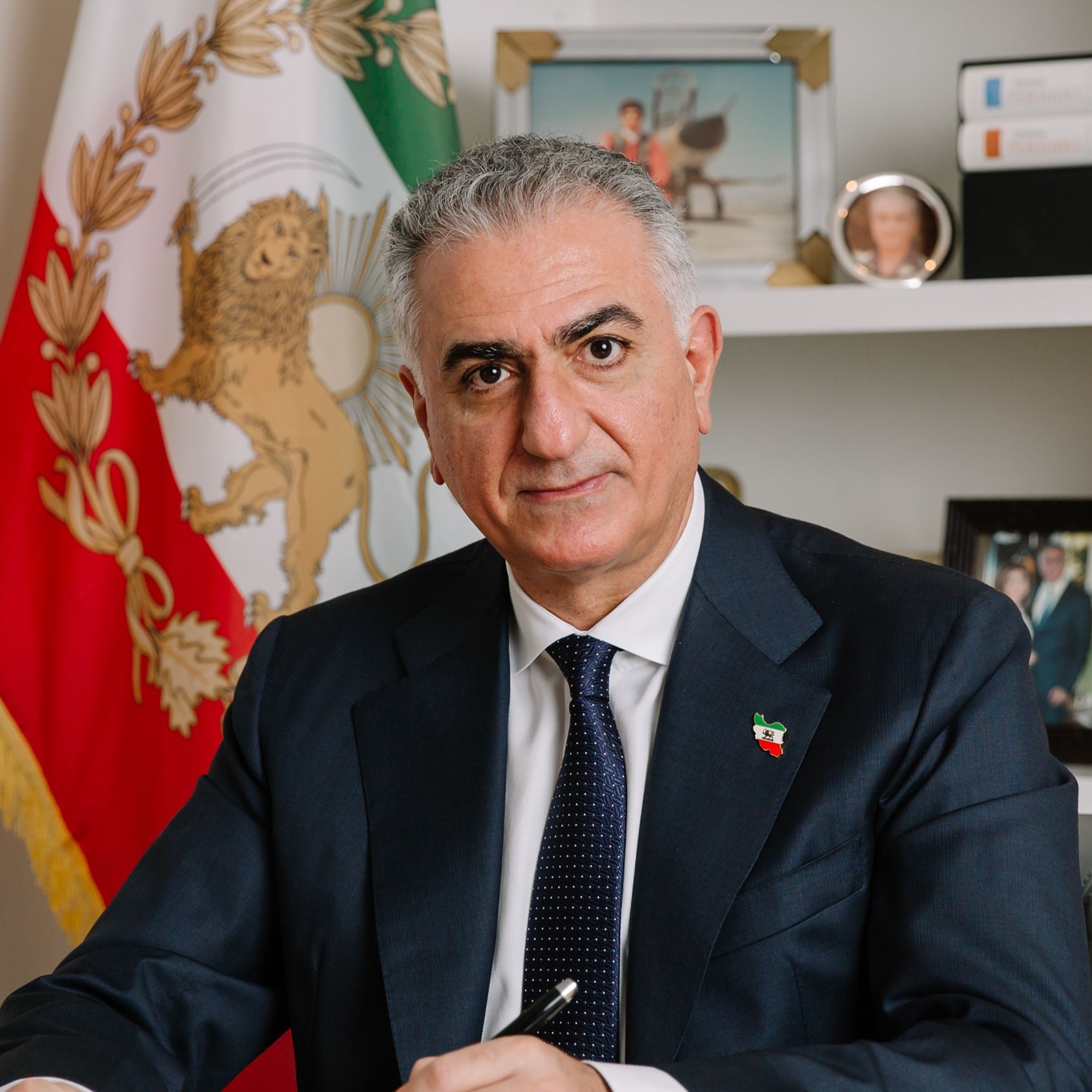
Prediction market participants are assigning a 5.5% probability to Reza Pahlavi, the son of Iran's last Shah, making a visit to Iran within the next 18 months. The market has attracted significant volume at $3.58 million, indicating meaningful engagement from traders despite the low implied odds. The probability has remained stable over the past 24 hours, suggesting consensus around the current valuation rather than active repricing based on breaking developments.
Why It Matters
A return by Reza Pahlavi would represent a dramatic geopolitical shift in Iran. As the leading figurehead of the Iranian opposition in exile and a symbol to monarchist and reform movements, his physical presence in the country would signal either a fundamental change in regime tolerance for dissent or a potential collapse of current political structures. The market's willingness to price this scenario, however remotely, reflects recognition that such a development, while highly unlikely under current conditions, would carry substantial consequences for regional stability and internal Iranian politics.
Key Factors
The low odds reflect Iran's Islamic Republic's consistent hostility toward the Pahlavi family and the regime's strong security apparatus preventing unauthorized returns by high-profile opponents. Reza Pahlavi has lived in exile for decades and currently resides primarily in the United States, where he maintains a public profile advocating for democratic reform in Iran. Any return would require either a dramatic political transition within Iran or a negotiated arrangement with authorities—scenarios market participants view as remote within the 18-month timeframe. The regime's current posture toward exiled opposition figures offers no indication of willingness to permit such a visit. Additionally, security risks would be substantial even if political conditions shifted, making a return inherently dangerous for Pahlavi himself.
Outlook
For the market to shift meaningfully higher, major developments would be required: a significant weakening of regime authority, internal power struggles that benefit opposition figures, international diplomatic pressure on Iran to permit returns, or explicit signals from Iranian leadership of changing attitudes toward the Pahlavi family. Conversely, tightening of security measures or explicit statements from Tehran reinforcing a ban on returns could push odds even lower. The 18-month window provides some temporal space for unexpected political shifts, but current market pricing reflects the reality that such changes remain speculative rather than imminent.