Market Overview
Prediction markets are pricing Reza Pahlavi's return to Iranian territory as a low-probability event, with current odds holding steady at 5.5% for a visit by mid-2026. The market has drawn substantial liquidity—over $3.5 million in volume—indicating genuine engagement from traders despite the flat probability trajectory. The narrow price range suggests market participants have reached a consensus view that reflects deep structural obstacles rather than near-term catalysts.
Why It Matters
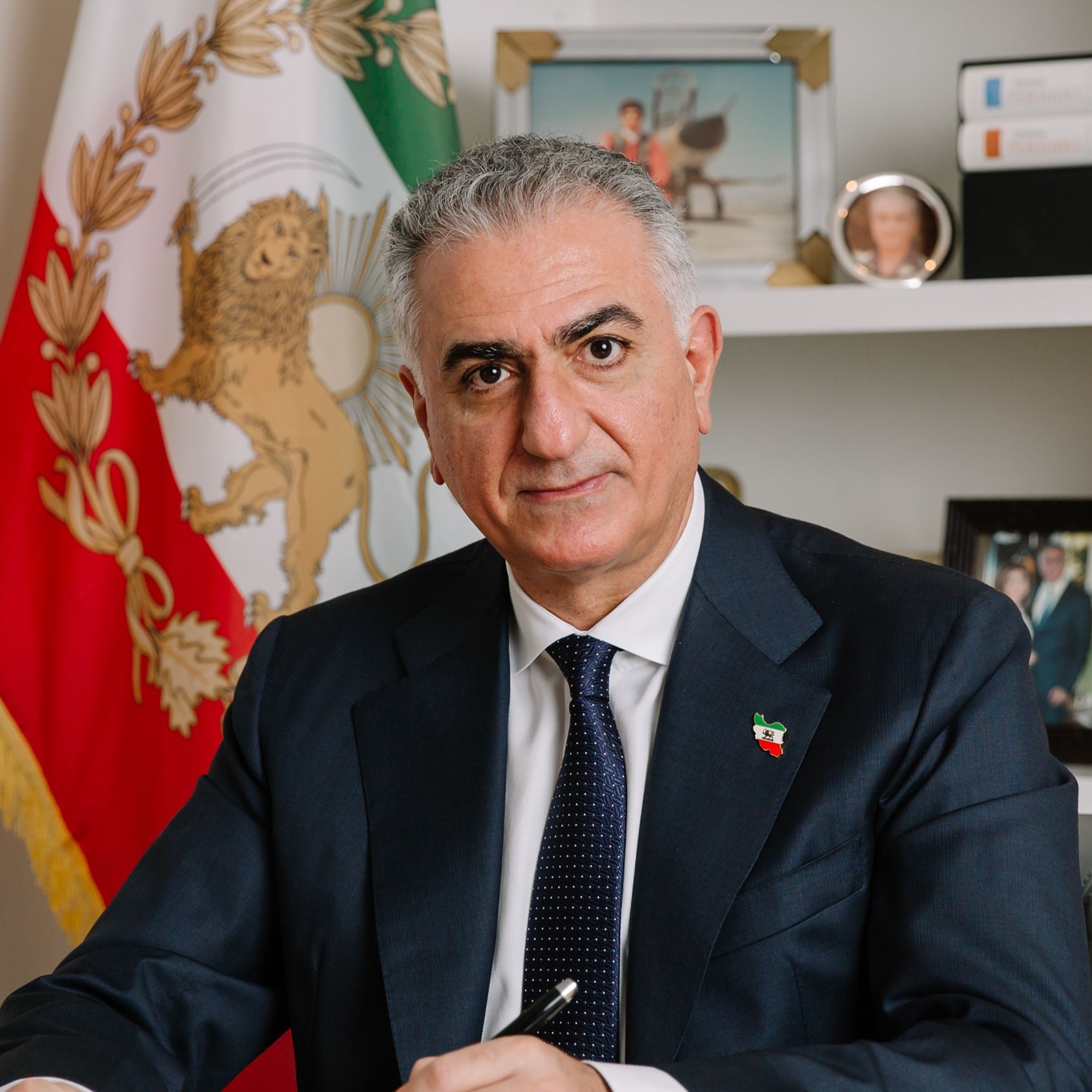
Reza Pahlavi, the exiled son of Iran's last shah, has emerged as a symbolic figurehead for opposition to the Islamic Republic, particularly among diaspora communities and Western policymakers. Any return to Iran would represent a dramatic shift in the country's political dynamics and could signal major internal upheaval or a fundamental change in regime policy. For traders and analysts, this market serves as a barometer of perceived stability in Iran and the likelihood of near-term political transformation that would permit—or require—such a high-profile return.
Key Factors
Several structural constraints appear to weigh heavily on the 5.5% probability. The Islamic Republic has maintained consistent opposition to Pahlavi's return, viewing him as a symbol of the pre-1979 monarchy that the revolution explicitly rejected. Without a dramatic shift in regime leadership or internal power dynamics, Iranian authorities would have little incentive to permit his entry. Additionally, Pahlavi himself has pursued a cautious diplomatic strategy in recent years, prioritizing broad opposition coalition-building over confrontational positioning, which suggests limited near-term intention to force a return. The 18-month timeframe through June 2026 is relatively compressed for the type of fundamental political rupture that would be necessary to enable such a visit.
Outlook
The stable probability suggests traders view current political conditions in Iran as unlikely to shift dramatically within the market window. A material move in the odds would require either explicit signals from Iranian authorities indicating willingness to negotiate Pahlavi's return, major internal unrest that destabilizes regime control, or a significant change in Pahlavi's own strategy and positioning. International developments—including potential diplomatic openings, sanctions changes, or succession dynamics within Iran's leadership—could alter the calculus, but absent such developments, the market appears to have priced in a relatively low baseline probability that reflects the deep entrenchment of Iran's opposition to royalist figures.