Market Overview
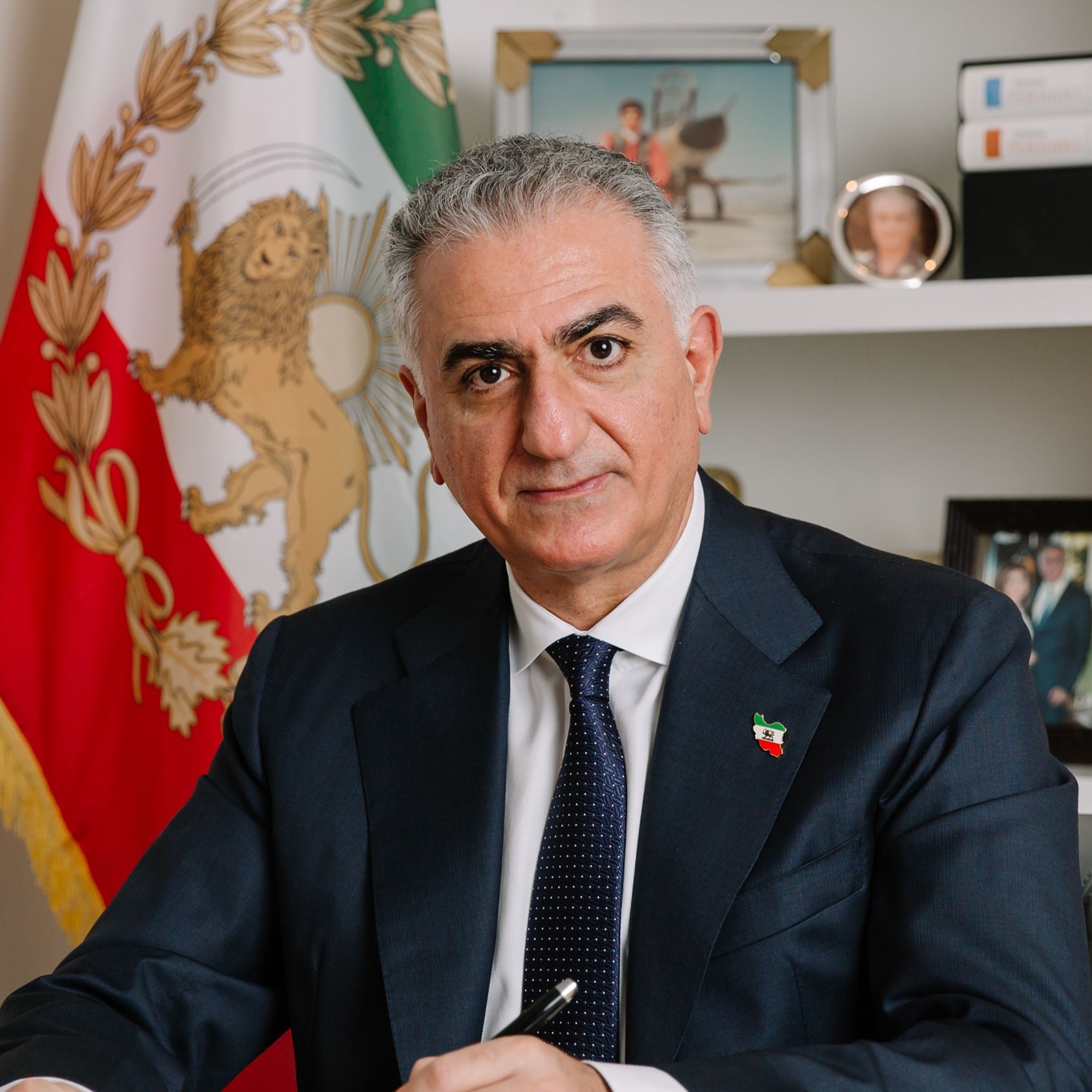
Prediction markets are currently assigning a 5.5% probability to Reza Pahlavi, the exiled son of Iran's last shah, entering Iranian territory before June 30, 2026. The market has maintained this probability level over the past 24 hours despite trading $3.6 million in volume, indicating stable consensus among traders on the unlikelihood of such a return in the near term. The low but not negligible odds suggest traders view a Pahlavi return as a low-probability but non-zero tail risk—an event that would represent a dramatic geopolitical shift but remains within the realm of possibility.
Why It Matters
Reza Pahlavi's potential return to Iran would signal a fundamental rupture in the Islamic Republic's political order. As the symbolic head of Iran's monarchist opposition and a vocal critic of the Tehran government from exile, his entry into Iran would likely indicate either a major domestic upheaval weakening the regime's grip or a negotiated settlement to decades of political estrangement. For investors and geopolitical analysts, the market serves as a gauge of how unlikely this scenario appears given current conditions, while also capturing the tail-risk perception that Iran's political trajectory could shift dramatically within the 18-month window.
Key Factors
Several structural factors keep the probability low. Pahlavi has lived in exile since the 1979 Iranian Revolution and currently resides in the United States, where he maintains a public platform critiquing the Islamic Republic. The Iranian government views monarchist movements as inherent threats to the regime's legitimacy, making his arrest or execution highly probable should he attempt entry. No credible reporting suggests active negotiations between Pahlavi and Iranian authorities, and the regime has shown no indication of tolerating his return. Additionally, Pahlavi's base of support within Iran remains limited and largely confined to diaspora communities and a subset of older Iranians nostalgic for the pre-revolutionary era. The Islamic Republic's security apparatus maintains tight control over borders and closely monitors potential threats to regime stability, making clandestine entry extremely difficult.
However, the non-zero probability reflects genuine geopolitical uncertainty. Iran faces internal pressures including economic strain, periodic civil unrest, and factional divisions within its leadership. In scenarios involving major regime instability, leadership transitions, or negotiated political settlements—however remote—Pahlavi's return could theoretically become possible. The market's $3.6 million volume suggests serious money on both sides of this tail risk, with some traders apparently assigning meaningful probability to transformative political change in Iran within 18 months.
Outlook
The market is likely to remain near current levels absent major developments in Iran's internal politics or international relations. Significant movements in either direction would likely require concrete evidence of either improved prospects for Pahlavi's return (such as documented negotiations with regime factions or dramatic regime instability) or explicit statements further foreclosing the possibility. Traders should monitor Iranian political reporting, statements from Iranian officials regarding monarchist movements, and Pahlavi's own public positioning for signals that could shift market consensus. The 5.5% probability ultimately reflects the consensus view that while a Pahlavi return remains theoretically possible within an 18-month timeframe, current conditions and regime stability make it a distinctly low-probability outcome.