Market Overview
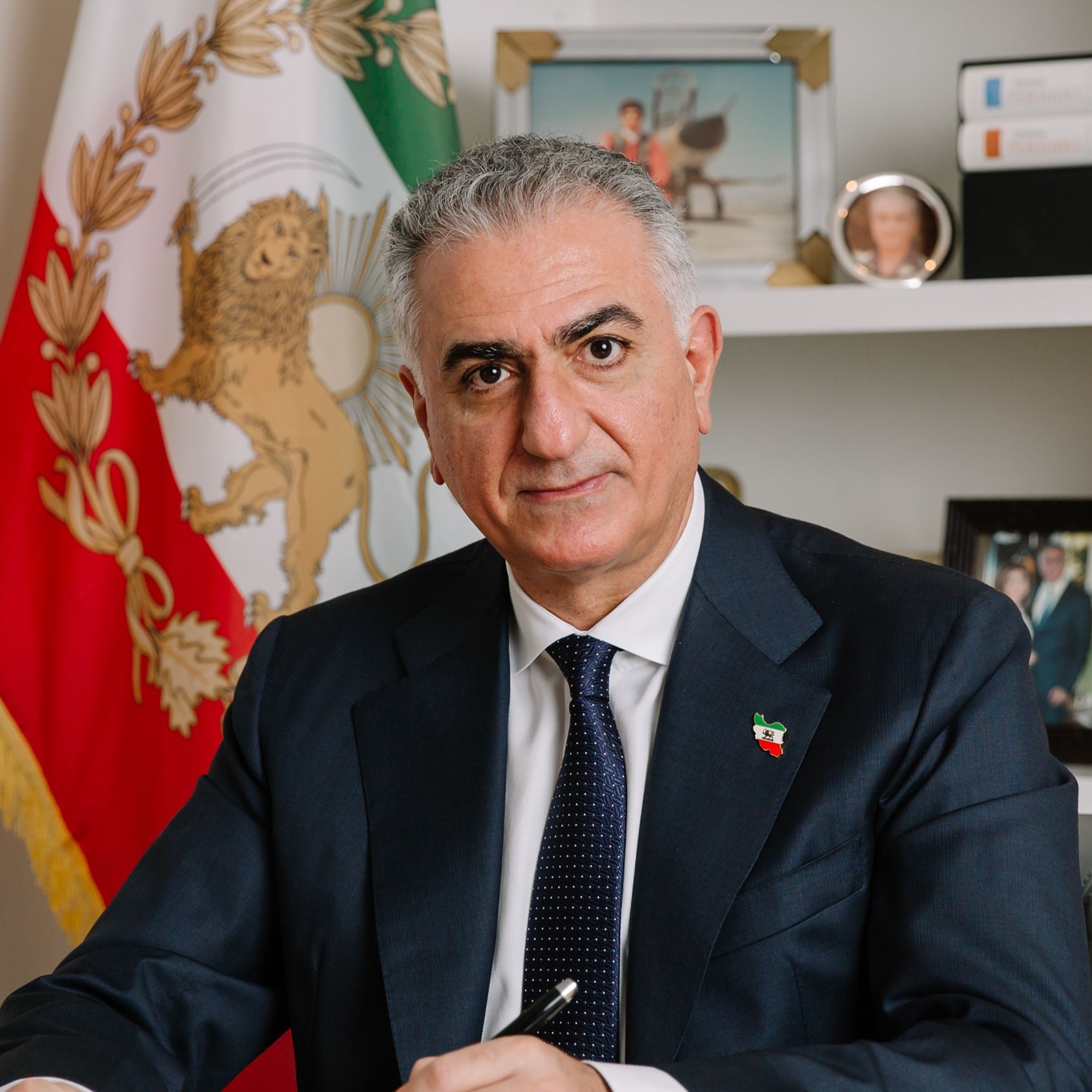
Reza Pahlavi, the son of Iran's deposed Shah Mohammad Reza Pahlavi, remains one of the Islamic Republic's most prominent exiled opposition figures. The prediction market assessing whether he will visit Iran by mid-2026 is pricing in extremely low odds—just 4.5%—despite attracting over $3.2 million in trading volume. The stability of this probability over the past 24 hours suggests a consensus among market participants that the baseline case remains one where Pahlavi remains in exile throughout the specified window.
Why It Matters
A potential return by Pahlavi would represent a seismic shift in Iranian opposition politics and could signal dramatic geopolitical realignment within the country. As a symbol of the pre-1979 monarchy and a vocal critic of the Islamic Republic, Pahlavi's arrival in Iran would likely trigger significant security responses from Iranian authorities and could catalyze domestic political upheaval. The low odds assigned by markets reflect the reality that such a scenario would require either a fundamental collapse of regime authority or a negotiated political settlement—neither of which appears imminent. The high volume on this market suggests genuine interest in tail-risk scenarios, even if traders collectively view them as unlikely.
Key Factors
Several structural barriers maintain the low probability. First, Iranian authorities view Pahlavi as a direct security threat and would likely arrest him upon entry; no legal pathway exists for his safe return under the current regime. Second, Pahlavi himself has not signaled imminent plans to return, remaining based in the United States where he maintains his opposition platform. Third, the Islamic Republic's security apparatus remains robust, making unauthorized entry exceptionally difficult for a high-profile figure. Additionally, the timeframe is relatively short—just 18 months from market creation—which further constrains the probability window. Any meaningful shift would require either explicit regime permission (suggesting regime change or reconciliation) or a successful covert operation, both of which traders currently assess as remote possibilities.
Outlook
For the probability to rise substantially, markets would likely need to price in either credible signals of regime instability, direct negotiations between Pahlavi and Iranian authorities, or unexpected geopolitical developments that might incentivize the regime to permit a symbolic return. Conversely, the low odds could shift lower if political tensions escalate further or if Pahlavi himself distances from any possibility of return. The market's current equilibrium at 4.5% reflects the view that absent extraordinary circumstances, exiled opposition leadership maintains distance from the Iranian state, and this dynamic shows little sign of changing through mid-2026.