What Happened
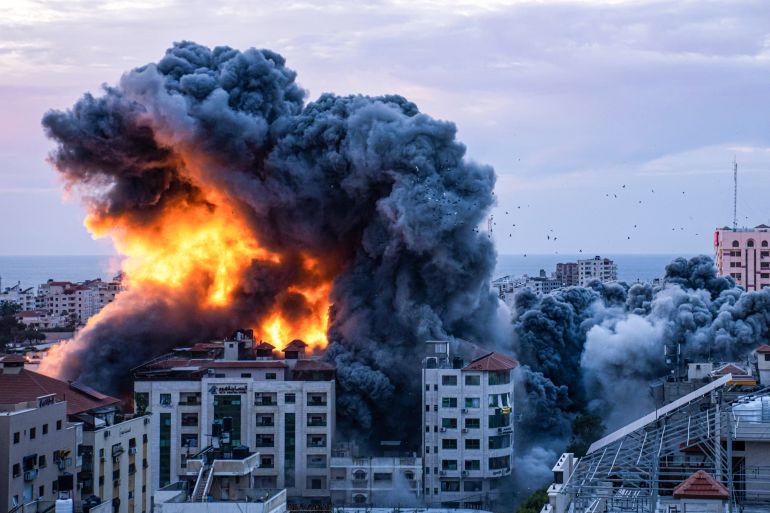
A prediction market assessing the probability of a U.S. or Israeli military strike against Iran's Isfahan Nuclear Technology Center moved sharply higher this week, climbing from 20.1% to 35.4%—a 15.3 percentage point increase on $286,206 in trading volume. The market conditions resolution to \"Yes\" only if kinetic military action, including drone strikes, missile attacks, or aerial bombardment, successfully reaches the target between now and March 31, 2026. Intercepted or missed strikes do not count toward resolution. The significant repricing suggests market participants are substantially reassessing upward the near-term risk profile of direct military confrontation over Iran's nuclear facilities.
Why It Matters
The Isfahan Nuclear Technology Center represents a strategically sensitive Iranian nuclear installation, and any direct strike would constitute major escalation in the Israel-Iran conflict. The sharp move in this prediction market reflects trader perception that recent developments—likely involving public statements, military posturing, or intelligence assessments regarding Iran's nuclear program—have materially increased the probability of military action. A 35% assessed probability represents meaningful, non-negligible risk in the eyes of market participants, suggesting either a specific trigger event or accumulation of tensions has shifted baseline expectations for escalation risk over the next 15 months.
Market Context
The market's construction is narrowly tailored, excluding cyberattacks, sanctions, and diplomatic measures while requiring kinetic strikes to successfully strike their targets. This specificity means the probability is not simply reflecting general geopolitical tension but rather a substantive assessment of the likelihood of executed military operations. The healthy trading volume indicates sufficient market liquidity and participant confidence in the pricing. Prediction markets have demonstrated predictive value on geopolitical events, as traders face direct financial consequences for mispriced probabilities.
Outlook
The market will likely continue to serve as a real-time barometer of escalation risk, with further price movements tracking incoming news on Israeli-U.S. coordination, Iranian nuclear activities, or diplomatic developments. The 35.4% level positions this outcome as a significant tail risk rather than a base case, but one that market participants judge warrants meaningful probability allocation. Any hardening of public statements by Israeli or U.S. officials, Iranian announcements regarding nuclear enrichment, or reports of military preparations would likely drive further repricing in either direction.