What Happened
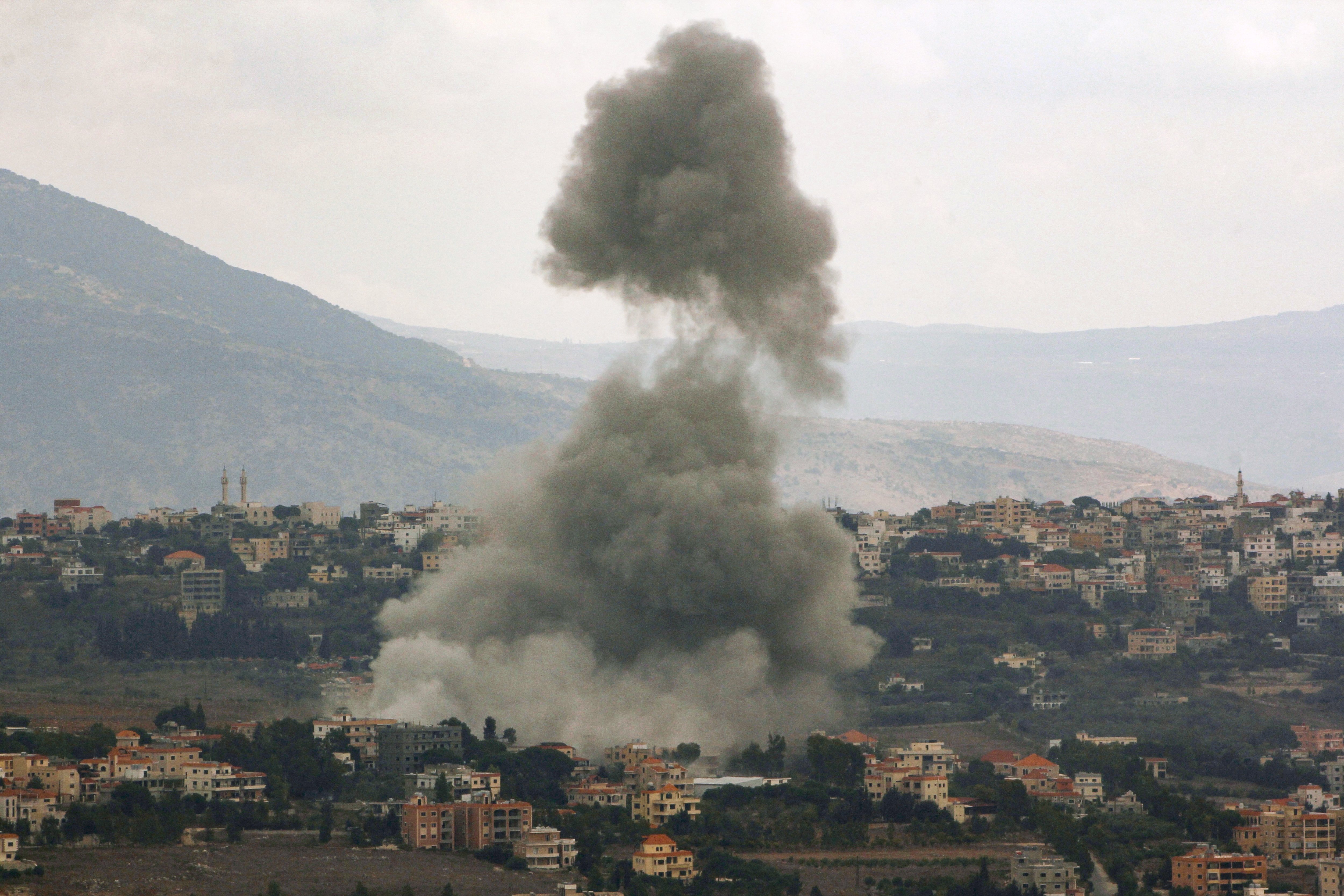
A Polymarket contract betting on whether Israel will conduct a drone, missile, or air strike on Greater Beirut on March 24, 2026 (Israel Standard Time) climbed from 53.1% to 68.8% probability over recent trading, representing a notable 15.7 percentage point shift. The move occurred on approximately $23,871 in trading volume, indicating meaningful market participation despite the specific nature of the prediction.
Why It Matters
The sharp probability increase reflects trader expectations of heightened military risk between Israel and Hezbollah, the Lebanese militant group with significant presence in and around Beirut. Prediction markets aggregate dispersed information and financial incentives, making large price movements potentially significant indicators of how informed participants assess emerging geopolitical developments. A probability near 69% suggests traders view such a strike as materially more likely than a coin flip, though still less probable than not.
Market Context
The market's strict resolution criteria—requiring aerial strikes (drones, missiles, or bombs) that impact within precisely defined geographic boundaries of Greater Beirut—limit ambiguity but also raise the bar for \"Yes\" resolution. The definition explicitly excludes intercepted munitions, artillery, cyber operations, and ground actions. This specificity means the probability shift reflects expectations about a particular category of military action rather than broader regional conflict risk.
The contract's focus on a single date suggests traders are responding to intelligence, statements, or patterns indicating heightened tension around that specific timeframe. Without access to real-time intelligence feeds, the underlying driver of the 15.7 percentage point increase remains unclear from market data alone, though it likely reflects recent news developments or official statements regarding Israel-Hezbollah military postures.
Outlook
The elevated probability suggests market participants are monitoring Israel-Hezbollah tensions closely in the weeks ahead. Whether the probability continues rising, stabilizes, or reverts will depend on subsequent diplomatic developments, military declarations, or tactical shifts by either party. The market's timeline—resolution occurs on March 24, 2026—means traders are pricing in near-term escalation risk rather than speculative long-term conflict scenarios.