What Happened
Odds improved substantially on a prediction market assessing whether the Strait of Hormuz will experience a day with 20 or more ship transits by April 30, 2026. The contract moved from 57% to 72% probability, a 15 percentage point shift that represents a meaningful repricing in a high-volume market. The $278,946 in trading volume indicates active participation from multiple market participants betting on the outcome.
Why It Matters
The Strait of Hormuz remains one of the world's most consequential maritime chokepoints, with roughly one-fifth of globally traded crude oil passing through its waters daily. Daily transit volumes fluctuate based on seasonal patterns, geopolitical tensions, economic activity, and shipping route preferences. A 20-ship threshold represents elevated but not exceptional traffic. The significant probability increase suggests market participants have incorporated new information signaling either heightened shipping demand, reduced geopolitical friction, or both conditions supporting normal-to-heavy traffic patterns.
Market Context
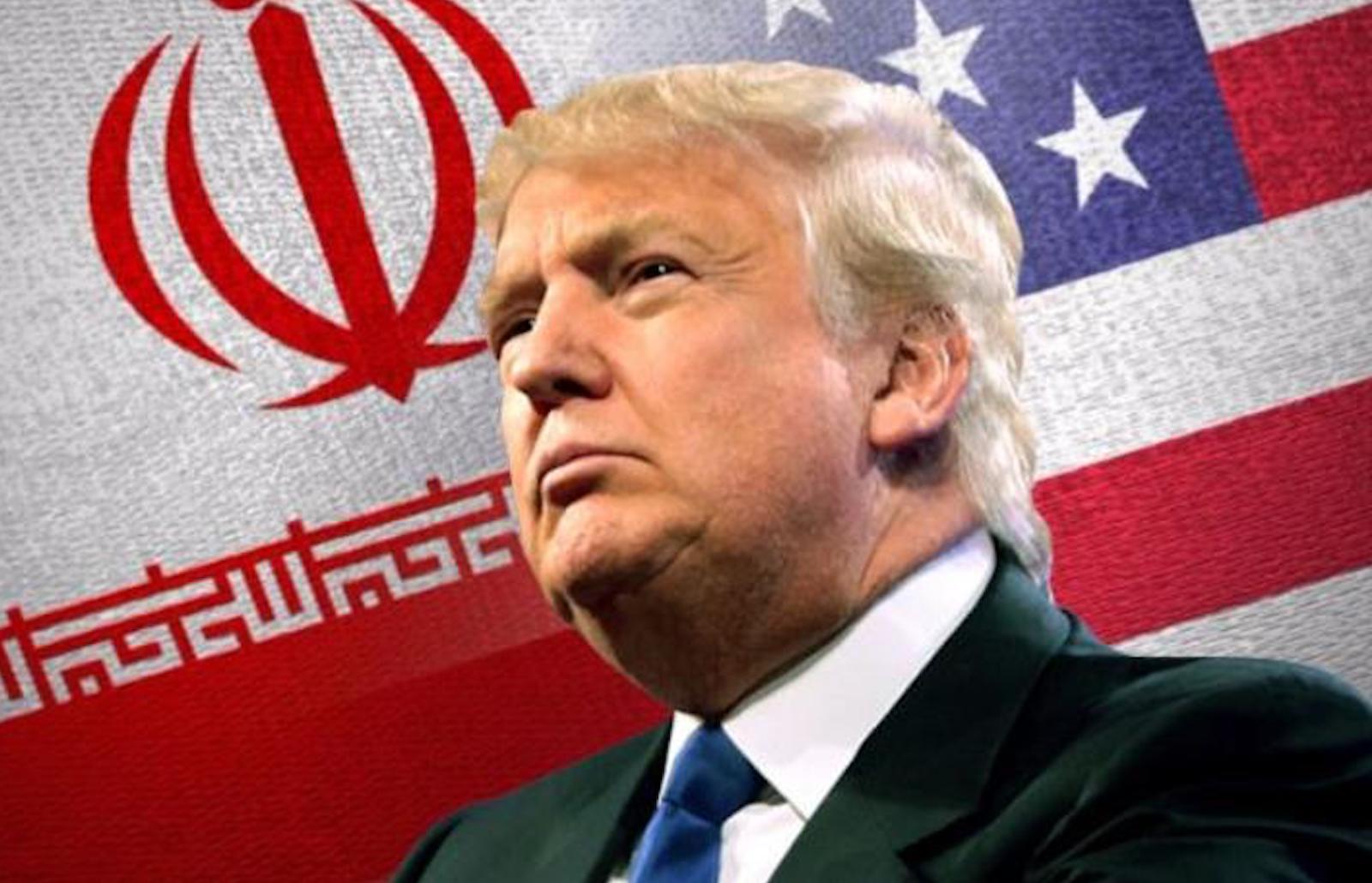
The market's recent movement occurred against a backdrop of pronounced U.S.-Iran tensions and ongoing discussions about potential sanctions, military posturing, and regional stability. Shipping through the Strait is sensitive to these dynamics—major disruptions have historically caused dramatic swings in traffic and oil prices. The fact that traders are increasing conviction in a \"normal elevated traffic\" outcome (20+ transits) rather than pricing in disruption scenarios suggests confidence in continued stability or even normalization of transit patterns through the strategically vital waterway.
Outlook
The market will track actual daily transit data published by IMF Portwatch through April 2026. Resolution requires just one day meeting the 20-ship threshold during the period. The 72% probability reflects expectation that such a day is more likely than not to occur within the roughly 16-month window, though the market still prices meaningful uncertainty. Further geopolitical developments, sanctions announcements, or economic data affecting regional trade could prompt significant repricing before resolution.