Market Overview
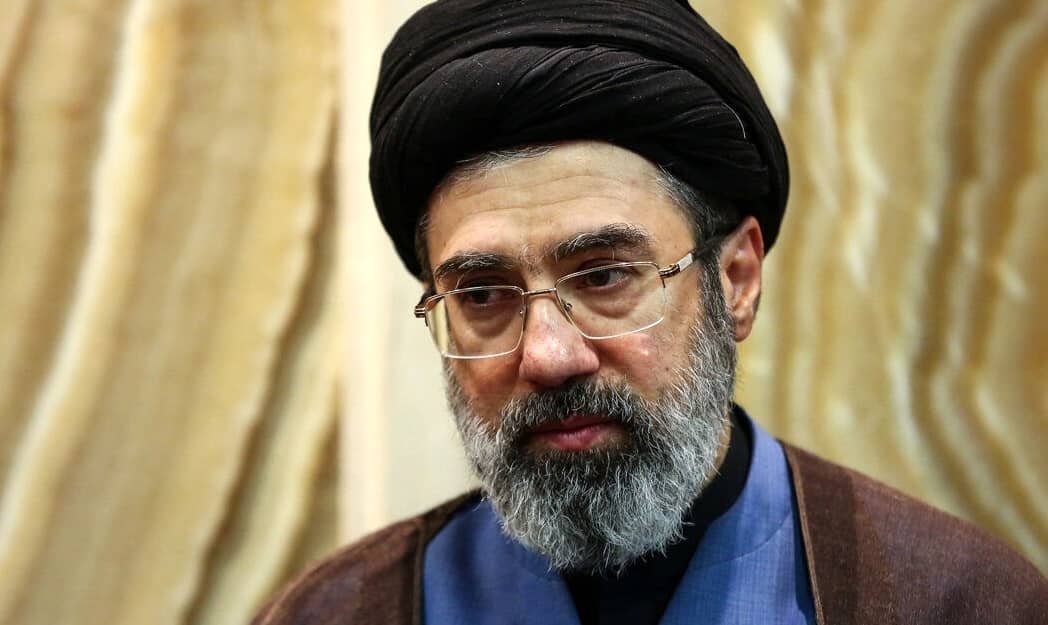
Prediction market participants currently price the probability of a leadership change in Iran—specifically the removal, detention, or functional incapacitation of Mojtaba Khamenei as de facto leader—at 4.3%, up slightly from 3.7% one day prior. The market has attracted $3.29 million in trading volume, indicating sustained interest in Iran's political trajectory despite the low absolute odds. The timeframe is compressed to approximately five months, through April 30, constraining the scope of potential triggering events to near-term developments rather than longer-horizon scenarios.
Why It Matters
The succession question in Iran carries significant geopolitical implications. Mojtaba Khamenei, the son of Supreme Leader Ayatollah Ali Khamenei, has been widely understood as the presumed heir to his father's position, though the formal mechanism of succession in Iran's system remains constitutionally ambiguous. Any disruption to the current power structure could reshape Iran's domestic politics, affect regional stability, and influence international relations, particularly regarding nuclear negotiations and sanctions policy. A 4.3% probability, while low, reflects traders' assessment that the risk, though unlikely, warrants pricing at a non-trivial level.
Key Factors
The low probability reflects several structural realities. Mojtaba Khamenei maintains tight control through security apparatus alignment, family succession legitimacy, and the Supreme Leader's entrenched position. No imminent catalyst for removal or forced departure is apparent in current reporting. The five-month window further constrains the probability—major political upheavals, internal coups, or sudden health crises remain low-probability events in any short-term frame. However, the modest uptick from 3.7% to 4.3% may signal traders' responses to underlying volatility in Iran's politics, including periodic reports of internal factional tensions, ongoing economic strain, or international pressure. The market's definition explicitly allows for forced detention or functional incapacitation, broadening the resolution criteria beyond outright coup or resignation scenarios.
Outlook
The market's near-baseline probability is likely to remain anchored in the low single digits unless new credible reporting emerges of imminent health crisis, high-level defection, organized challenge to succession plans, or external military intervention. Traders will likely monitor Iranian media, statements from regime insiders, and any signals of intra-elite conflict. A significant shift upward would require concrete evidence of instability rather than speculation. Conversely, should succession appear further consolidated or international-domestic tensions ease, probability could compress further. The April 30 deadline means the market naturally expires as a decision point, after which successor-risk assessment would migrate to longer-dated contracts.