What Happened
A prediction market tracking the likelihood of Iran agreeing to unrestricted Strait of Hormuz shipping access experienced a significant rally, with implied probability jumping from 37% to 61% over recent trading. The move, driven by $119,358 in volume, reflects a 24-percentage-point repricing of what traders view as the probability of a qualifying diplomatic agreement by April 30, 2026. Market participants are evidently incorporating new information or assessments regarding ongoing U.S.-Iran negotiations that began following a reported conflict escalation on February 28, 2026.
Why It Matters
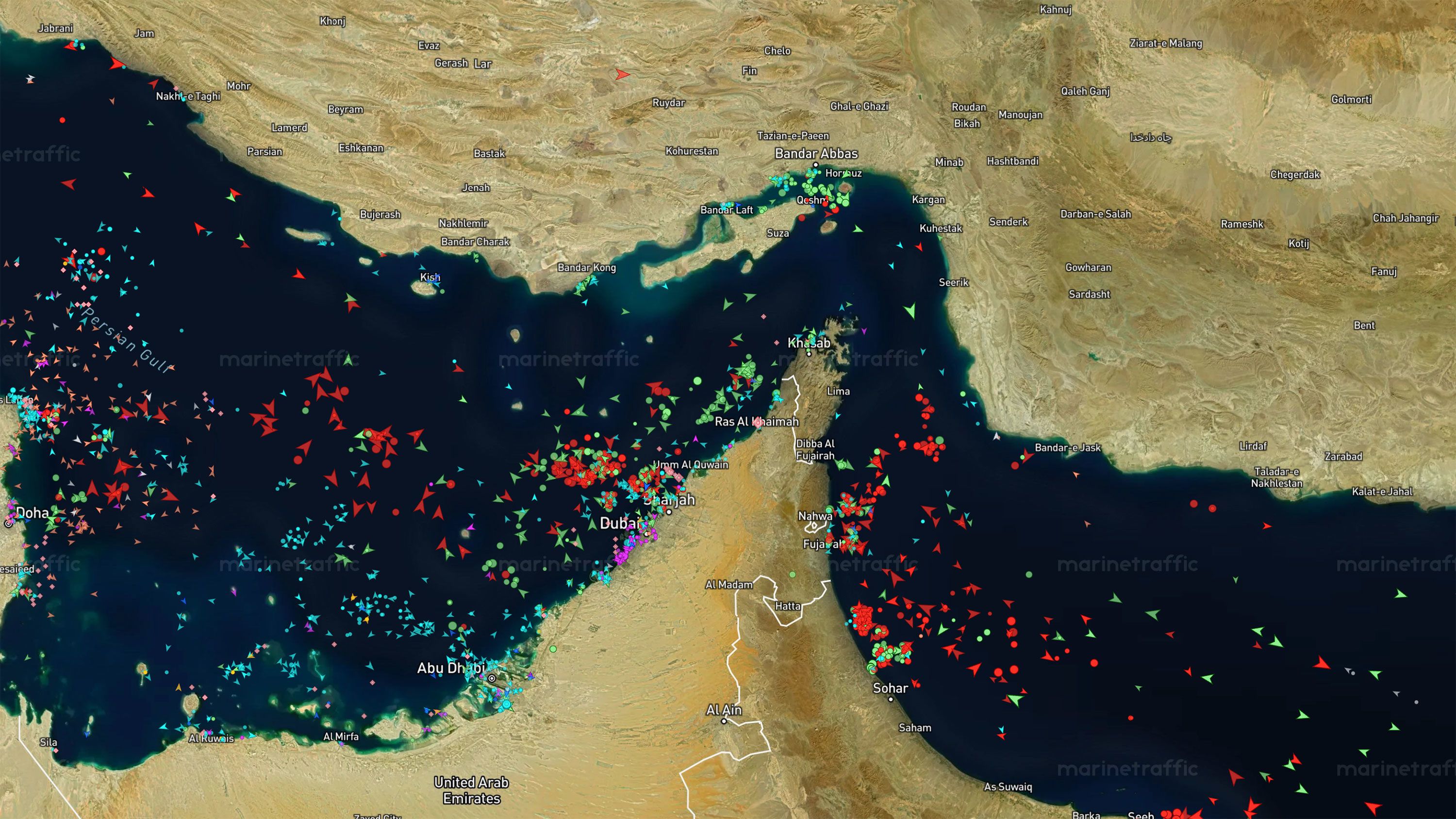
The Strait of Hormuz remains one of the world's most economically critical waterways, with roughly one-third of global maritime trade passing through its narrow passages. Any Iranian restrictions on shipping—whether through fees, mandatory permits, or operational constraints—create significant uncertainty and costs for the global energy market and broader commerce. A public Iranian commitment to unrestricted transit would represent a major diplomatic breakthrough, potentially stabilizing oil markets, reducing shipping insurance premiums, and signaling a broader de-escalation between Washington and Tehran. Conversely, failure to reach such an agreement by the April deadline would likely indicate continued tensions and military posturing over regional influence.
Market Context
The substantial single-move suggests traders received material new information rather than a gradual reassessment. Prediction market movements of this magnitude typically correlate with hard news—reports of closed-door negotiations advancing, diplomatic statements signaling flexibility, or indicators of genuine progress in talks. The specificity of the market resolution criteria—requiring explicit Iranian acknowledgment of unrestricted transit, not merely vague statements about strait \"openness\" or de-escalation—means traders are betting on explicit language, not ambiguous diplomatic language. The April 30 deadline provides a relatively short timeframe for agreement, concentrating trading focus on near-term diplomatic developments.
Outlook
The 61% probability reflects meaningful but still-uncertain odds of agreement. Market pricing suggests a roughly three-in-five chance of success, with substantial downside risk remaining. Traders appear to believe negotiations are advancing but recognize multiple failure scenarios: domestic political constraints in Iran, unresolved disputes over other U.S. sanctions, or security concerns that prevent Iranian officials from committing to unrestricted access. The market will likely remain volatile through April as new information emerges about negotiation progress, Iranian domestic politics, and any statements from Iranian leadership regarding Hormuz access. Continued price movements above 70% would signal traders see a breakthrough imminent, while declines below 50% would indicate renewed skepticism about diplomatic progress.