Market Overview
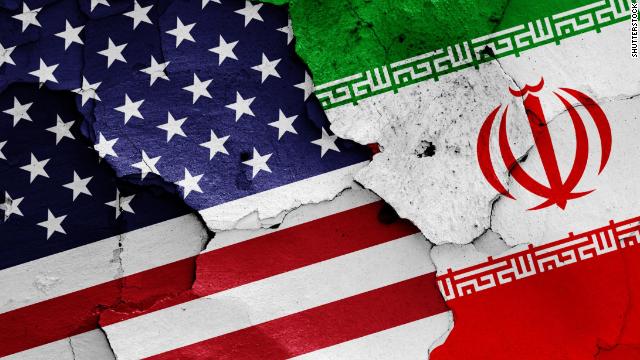
Prediction market traders have assigned a 99.3% probability that US military personnel will not physically enter Iranian territory by December 31, 2024, according to $17.9 million in trading volume. The inverse — that active US forces will enter Iran — is priced at just 0.7%. This probability has remained stable over the past 24 hours, indicating little uncertainty among traders despite ongoing Middle Eastern geopolitical developments. The specificity of the market definition, which excludes maritime and aerial incursions, diplomatic missions, and intelligence operations, focuses the question narrowly on direct terrestrial military intervention.
Why It Matters
Direct US military entry into Iranian territory would represent a significant escalation in US-Iran hostilities and potentially mark a fundamental shift in Middle Eastern security dynamics. Such an event would likely trigger international reactions, affect energy markets tied to regional stability, and reshape the trajectory of US military operations across the region. The near-certainty priced into this market reflects trader consensus that despite tensions, neither the US nor Iran has indicated intent to cross this particular threshold, suggesting both powers maintain incentives to avoid direct conventional conflict on Iranian soil.
Key Factors
Several factors appear to anchor the market's extreme probability. First, US military doctrine and stated policy do not emphasize ground operations deep within Iranian territory as a strategic objective; American military presence in the region focuses on maintaining naval and air superiority while supporting allies. Second, Iran's deterrent capabilities — including ballistic missiles, proxy networks, and air defenses — create substantial costs for any ground incursion that would outweigh potential tactical gains. Third, the remaining timeframe of approximately one month (through year-end) limits the window for such a significant military shift. Finally, diplomatic channels and existing military postures have not indicated preparations for escalation to this level.
Outlook
For the 0.7% probability of entry to materialize, a dramatic shift in conditions would be required — such as a major terrorist attack attributed to Iran, a critical security threat requiring immediate response, or a fundamental change in US military strategy. Barring such unforeseen developments, the market's assessment suggests traders view Iranian territorial entry as a tail-risk scenario. As December progresses without signs of escalation beyond current regional operations, this probability is unlikely to move meaningfully unless geopolitical conditions shift sharply from their present state.