Market Overview
With over $17.8 million in trading volume, the market on potential US military entry into Iran has stabilized at 99.3% for a \"No\" resolution—implying only a 0.7% chance that active US military personnel will physically enter Iranian territory by year-end. The probability has remained flat over the past 24 hours, suggesting a consensus view among traders. The market's clarity on what qualifies is notably specific: only active military and special operations forces count, while intelligence operatives, contractors, advisors, and diplomatic personnel are explicitly excluded. This narrow definition excludes many gray-zone activities that occur regularly in the region.
Why It Matters
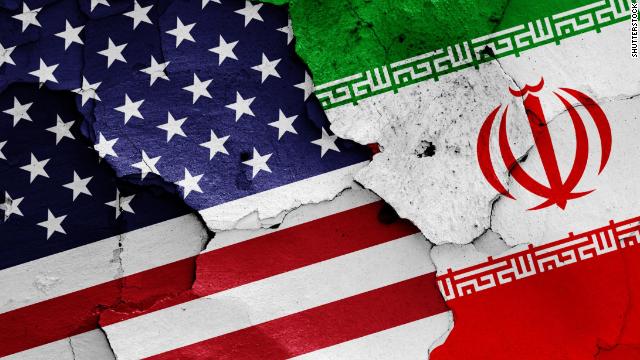
Direct US military ground entry into Iran would represent a dramatic escalation in US-Iran tensions and potentially the most significant military action between the two countries since the 1979 revolution. Such an incursion would have profound implications for regional stability, energy markets, and global geopolitics. The current market pricing reflects a view that despite persistent hostilities—including US drone strikes, Iranian proxy activities, and periodic military posturing—the threshold for direct territorial invasion remains extraordinarily high. This assessment carries weight given the severe consequences such action would trigger, including potential retaliation against US allies and forces throughout the Middle East.
Key Factors
Several dynamics inform the market's near-certain \"No\" assessment. First, direct military invasion would require explicit authorization likely to involve presidential decision-making and potentially Congressional action—not a step taken lightly. Second, the US maintains significant military capabilities in the region through bases in allied states, reducing the strategic necessity for ground operations on Iranian soil. Third, international response would be severe, complicating diplomatic relations and potentially fracturing existing coalitions. Fourth, Iran maintains a capable military and asymmetric capabilities that would inflict costs on any invading force. Finally, the market's definition explicitly excludes special operations and intelligence activities, which are the forms of covert military action most likely to occur if tensions escalate.
Outlook
For the probability to shift materially higher, circumstances would need to change dramatically—such as a major Iranian attack on US personnel or allies, discovery of an imminent Iranian nuclear weapons capability, or a significant regional conflict that pulls in US forces. Even then, the preference would likely remain for airpower and proxy forces over ground invasion. The market's stability at 99.3% suggests traders see no credible near-term trigger for direct ground incursion. Any movement in this market would likely reflect either a discrete geopolitical shock or evolving assessments of how existing tensions might escalate over the remaining weeks of 2024.