Market Overview
Prediction markets are pricing the discovery of new underwater wreckage from Malaysia Airlines Flight 370 at 1.7% probability through the end of June 2026. Despite over $115,000 in trading volume, the odds have remained stable, suggesting market participants view such a discovery as highly unlikely within this timeframe. The market specifically requires that wreckage be located underwater and definitively identified as originating from MH370, excluding previously found debris or items that washed ashore.
Why It Matters
Malaysia Airlines Flight 370 disappeared on March 8, 2014, with 239 people aboard, becoming one of aviation's greatest mysteries. The aircraft's final resting location remains unknown, though the underwater search zone spans vast areas of the southern Indian Ocean. Any discovery of authenticated wreckage could provide crucial information about what happened to the aircraft, potentially answering lingering questions for families and the aviation industry. The extremely low odds assigned by traders suggest they have little confidence in search efforts locating new evidence during the specified window.
Key Factors
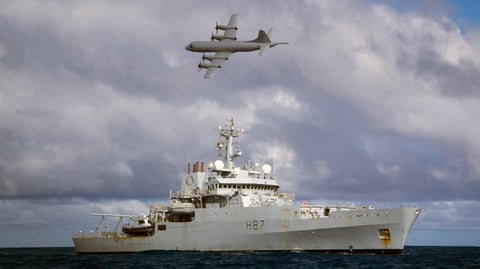
The minimal probability reflects several structural challenges. The initial major search operations concluded with limited success despite extraordinary resources deployed by multiple nations. The suspected crash site encompasses one of Earth's most remote and inhospitable ocean environments, with depths exceeding 4,000 meters in many areas. Previous searches, including the three-year underwater effort that cost over $160 million, discovered only scattered debris items. No major organized search operation is currently underway as of late 2025, and launching a new comprehensive underwater search would require significant coordination and funding. The market resolution window—ending June 30, 2026—provides only roughly seven months for discovery, a relatively short timeframe given the scale of previous efforts.
Outlook
For this market to resolve to \"Yes,\" several developments would need to occur: either new investigative leads would need to emerge pointing to a specific search area, a well-funded search campaign would need to commence and succeed, or wreckage would need to be fortuitously discovered. Significant technological advances in deep-sea exploration, previously classified intelligence becoming available, or new investigative findings could theoretically shift probabilities upward. However, absent dramatic new circumstances, the 1.7% pricing likely reflects market consensus that another major discovery remains improbable in the near term, particularly within the constrained six-month window.