Market Overview
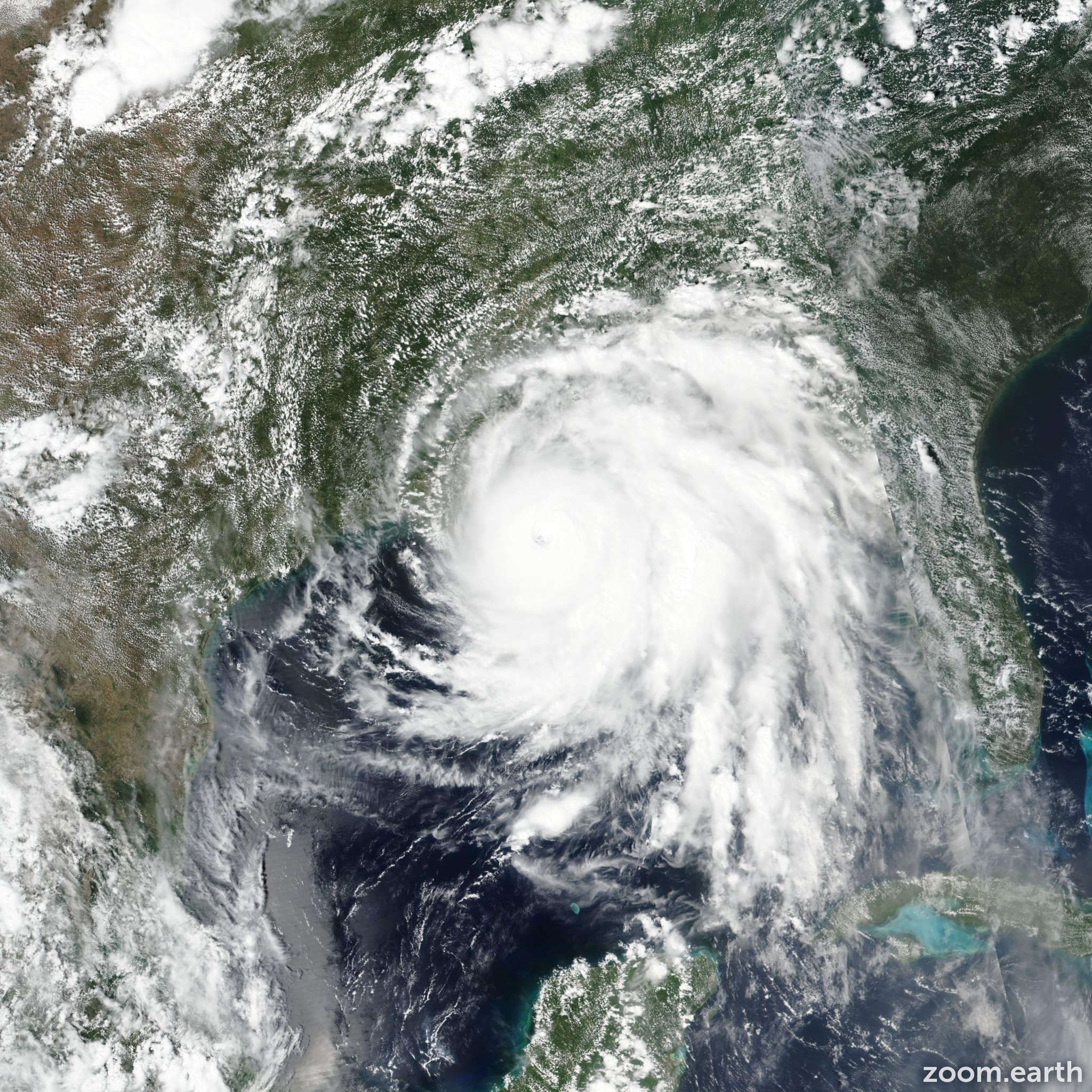
Prediction market participants are assigning a 35% probability to the occurrence of a Category 4 hurricane (maximum sustained winds of 130-156 mph) making landfall on the continental United States coastline before the end of 2026. With over $326,000 in cumulative volume and prices remaining unchanged over the past 24 hours, the market reflects a consensus view that such an event is less likely than not, but remains a meaningful possibility within the roughly two-year timeframe.
Why It Matters
Category 4 hurricanes represent a significant threshold in storm severity. Such storms bring catastrophic damage potential with extreme winds capable of causing near-total roof failure on residential structures and widespread power outages. For coastal residents, emergency planners, and the insurance industry, the probability of such a storm making direct landfall carries substantial economic and safety implications. The prediction market assessment can inform risk management decisions for businesses, municipalities, and individuals in hurricane-prone regions.
Key Factors
The 35% probability reflects several underlying considerations. Historically, Category 4 hurricanes that reach the continental US coast remain relatively uncommon, even as total hurricane activity varies year to year. The timeframe through 2026 encompasses roughly two Atlantic hurricane seasons, typically the peak periods of June through November. Sea surface temperatures, atmospheric conditions, and climate patterns all influence hurricane formation and intensification, with some research suggesting climate change may affect the frequency of intense storms. Additionally, the market specifically requires landfall as a Category 4 at the moment the center crosses the coast—storms that weaken slightly before making landfall would not qualify, adding another constraint to the resolution criteria.
Outlook
The stable pricing over the past day suggests the market has settled on this probability estimate without significant new information driving reassessment. Developments that could shift the market would include major changes in seasonal forecasts, observed shifts in ocean temperatures, or the occurrence of early-season major hurricane activity. As the 2025 and 2026 Atlantic hurricane seasons approach, updated climatological forecasts and real-time storm tracking data may prompt market recalibration. The binary nature of the outcome—it either occurs or it does not—means the market will not resolve until the end of 2026, giving participants a two-year window to adjust their positions based on evolving conditions.