Market Overview
Prediction market participants are pricing an 85.1% probability that the world will experience eight or more earthquakes of magnitude 7.0 or higher over a seven-month period ending June 30, 2026. With $548,431 in volume, the market indicates strong confidence in this outcome, suggesting traders view such seismic activity as likely rather than exceptional. The question uses USGS data as its authoritative resolution source, establishing a standardized measurement framework for what constitutes a qualifying event.
Why It Matters
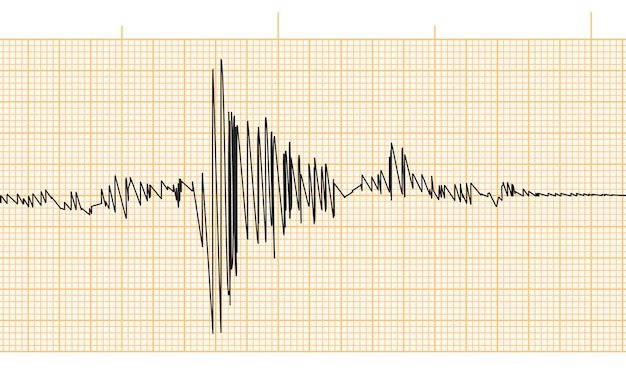
Earthquakes of magnitude 7.0 and above represent major seismic events capable of causing significant damage and loss of life in populated areas. Understanding the probability of multiple such events occurring within a defined timeframe has implications for disaster preparedness, insurance pricing, and infrastructure planning. For seismic scientists and policymakers, accurate baseline expectations about major earthquake frequency inform risk assessment models. For traders and those interested in geophysical prediction, the market reveals collective expectations about planetary seismic activity during a specific period.
Key Factors
The baseline for major earthquake frequency influences market pricing substantially. Historically, the Earth experiences roughly 15 magnitude-7.0 or greater earthquakes annually, though with significant year-to-year variation. A seven-month window with eight such events would represent a rate slightly above long-term averages, making this threshold moderately ambitious rather than extraordinary. Recent seismic activity levels, tectonic stress patterns along major plate boundaries, and any elevated activity from known seismic zones (such as the Pacific Ring of Fire) shape trader assessments. The market's high confidence suggests participants view recent and current seismic trends as consistent with or supportive of above-average activity during the forecast period.
Outlook
The market will resolve based on actual USGS earthquake data recorded through June 30, 2026, with a grace period extending to July 7 for late-reported events. Developments that could shift probabilities include new volcanic activity that triggers seismic swarms, unusual crustal stress indicators suggesting increased likelihood of major ruptures, or conversely, a period of notably reduced major earthquake activity that would argue against reaching eight events. The current 85% pricing leaves meaningful room for the alternative outcome—a roughly 15% probability of fewer than eight magnitude-7.0 events—reflecting genuine uncertainty about seismic behavior in a specific seven-month window.