Market Overview
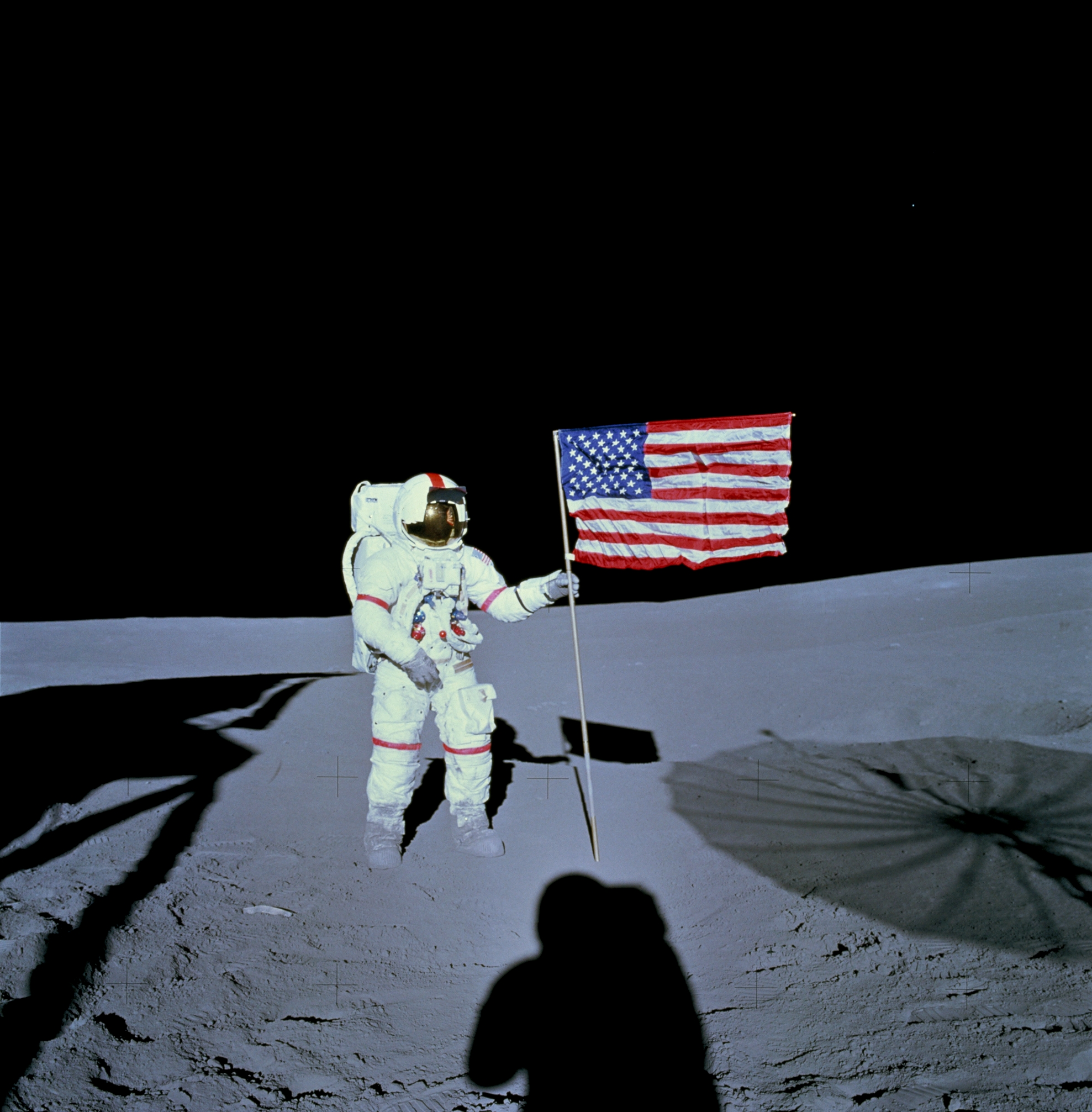
The prediction market for a human moon landing in 2026 is trading at 4.3% probability, indicating traders believe such an outcome is unlikely but not impossible. With $1.9 million in volume, the market has attracted substantial interest, though the probability has remained stable over the past 24 hours, suggesting consensus around the current odds. The low probability reflects the considerable technical and scheduling challenges involved in crewed lunar missions, even as multiple space agencies and private entities actively pursue lunar exploration goals.
Why It Matters
A crewed return to the moon represents one of humanity's most ambitious engineering objectives. NASA's Artemis program, the primary U.S. effort, aims to land humans on the lunar surface but faces significant delays from its original timelines. The resolution of this market hinges on whether any human-crewed mission successfully lands on the moon with astronauts aboard by December 31, 2026—a definition broad enough to encompass not only NASA's Artemis but also any competing program from international space agencies or private companies. Market participants are essentially evaluating the probability of an accelerated lunar return within an unusually compressed timeframe.
Key Factors
NASA's Artemis program, the primary driver of this market outcome, currently targets a crewed lunar landing in 2025 or 2026, but the program has experienced repeated delays. The Space Launch System (SLS) and Orion spacecraft remain in final testing phases, and mission schedules have slipped beyond initial projections. Additional technical hurdles include landing system development, life support systems, and the need for successful uncrewed test missions before crewed flights. Beyond NASA, China's lunar exploration ambitions and international partnerships could theoretically accelerate timelines, but no competing program has publicly committed to a 2026 landing. The market's 4.3% probability appears calibrated to account for limited but non-zero risk of either an accelerated NASA timeline or an unexpected breakthrough from another space-faring nation.
Outlook
Market participants may reassess this probability if NASA announces significant progress on Artemis delays or if another space agency unveils concrete plans for a 2026 lunar landing attempt. Conversely, further technical setbacks or official delays to NASA's timeline could compress the odds even lower. The market currently reflects cautious skepticism about near-term lunar achievement, valuing the possibility of acceleration but treating it as a low-probability tail event rather than a likely outcome. Developments in SLS testing, Orion integration, and international space announcements will likely be the primary catalysts for meaningful probability shifts in the months ahead.