Market Overview
The prediction market assessing whether the U.S. or Israel will conduct a kinetic military strike against Isfahan Nuclear Technology Center has reached maximum probability at 100%, with significant volume of $1.37 million traded over recent days. This ceiling probability persists despite no recent sharp price movement, indicating settled market consensus rather than reactive trading to new events. The market remains open through March 31, 2026, leaving a window of approximately 15 months for resolution.
Why It Matters
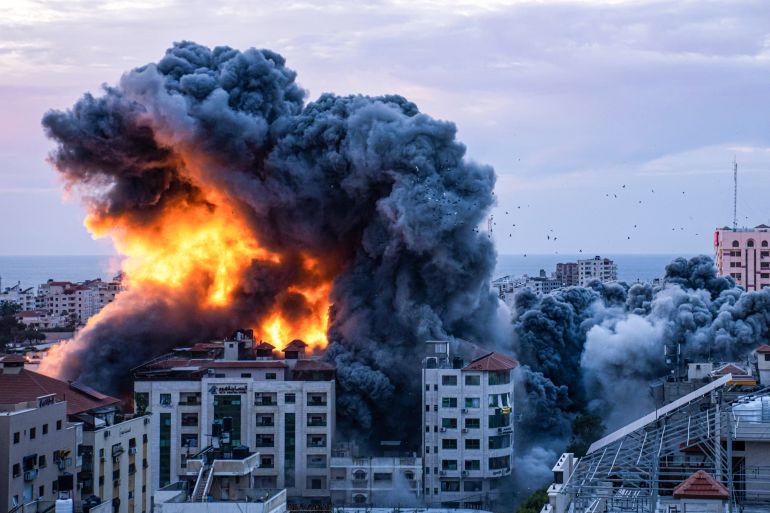
The Isfahan facility represents one of Iran's most strategically significant nuclear installations, serving as a key research and uranium conversion hub. Military action against it would constitute a major escalation in regional tensions and potentially mark a decisive shift in the U.S. and Israeli approach to Iranian nuclear capabilities. The 100% probability reflects trader assessment that such action has moved from theoretical possibility into anticipated or imminent territory, though the actual timing and certainty of execution remains subject to significant political and military variables.
Key Factors Driving the Probability
Several factors appear to underpin the extreme market confidence. Ongoing Israeli military operations in the region, periodic rhetoric from both U.S. and Israeli officials regarding Iranian nuclear facilities, and Iran's continued nuclear program advancement have created a backdrop of heightened tensions. The market's definition specifies kinetic strikes only—excluding cyber operations, sanctions, or diplomatic measures—which narrows the resolution criteria to overt military action. Traders appear to be pricing in either an expectation that such strikes are already planned, or that escalatory dynamics make them sufficiently probable over the 15-month window that near-certainty odds are justified.
Outlook
The 100% probability level warrants scrutiny, as prediction markets sometimes misprice tail events or become subject to momentum effects. Developments that could shift odds downward include diplomatic breakthroughs, changes in regional military posture, or shifts in U.S. or Israeli policy priorities. Conversely, any fresh military escalation, intelligence disclosures about Iranian nuclear advances, or explicit policy statements could reinforce current pricing. Traders should monitor political leadership changes, international negotiations, and regional security developments closely, as the market's ceiling valuation leaves no room for reassessment toward lower probabilities.