Market Overview
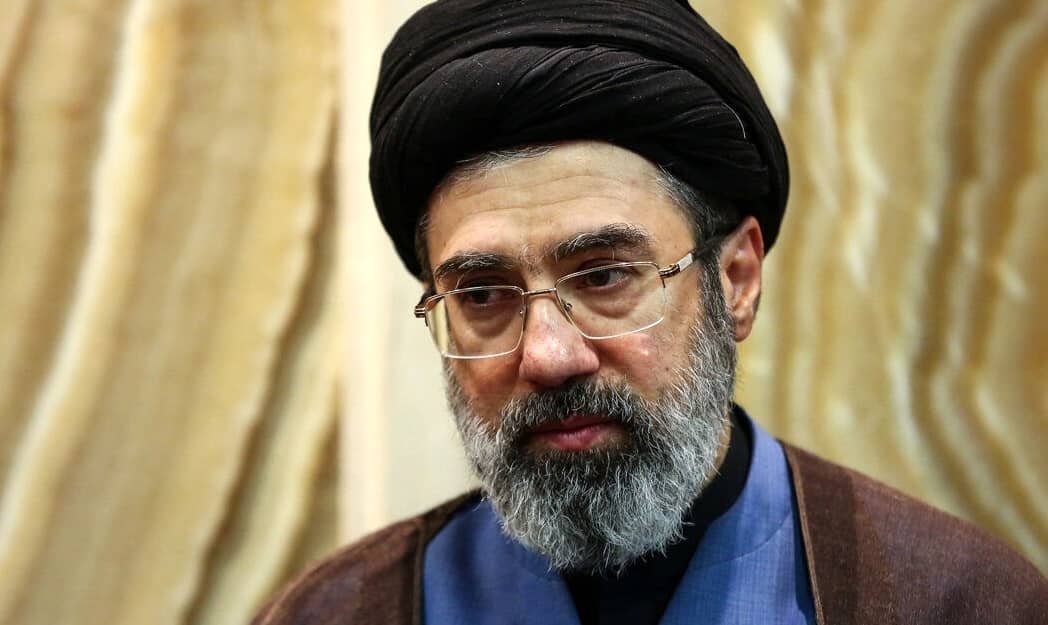
The prediction market on Iran's leadership transition is pricing a roughly one-in-three chance that Mojtaba Khamenei, the current de facto leader and son of former Supreme Leader Ayatollah Khamenei, will lose his position by year-end. The 33.5% probability sits well above the baseline expectation for sudden leadership changes in authoritarian regimes, indicating market participants see meaningful risk of disruption within Iran's political structure. With $2.07 million in trading volume, the market has established sufficient liquidity to reflect informed positions, though odds have remained stable over the past 24 hours with no recent catalysts driving repricing.
Why It Matters
Succession in Iran's Supreme Leadership represents one of the most consequential political transitions in the Middle East. Mojtaba Khamenei's potential loss of power would signal either an internal power struggle within Iran's clerical establishment, a broader institutional crisis, or external pressure forcing systemic change. The outcome carries significant implications for Iran's foreign policy, nuclear negotiations, regional stability, and governance. A leadership transition—whether voluntary or forced—could reshape Tehran's approach to sanctions, proxy networks, and international engagement, making this market relevant to investors, policymakers, and geopolitical analysts monitoring Iran's trajectory.
Key Factors
Several dynamics appear embedded in the 33.5% probability. Health concerns and succession planning within Iran's aging leadership structure represent one driver; the Supreme Leader's age and any medical developments could accelerate institutional change. Internal factional competition among Iran's Revolutionary Guards, clerical hierarchy, and civilian technocrats creates persistent pressure points where power consolidation or loss could occur. Broader economic deterioration, sanctions escalation, or domestic unrest could destabilize the current power structure and trigger either voluntary succession or contested transitions. External factors—including potential military conflict, diplomatic breakthroughs altering Iran's strategic position, or changes in U.S. policy—could also reshape incentives for leadership change. Finally, the market's definition allows for removal, detention, or loss of de facto authority rather than requiring formal resignation, broadening the scope of events that would trigger a \"Yes\" resolution.
Outlook
The 33.5% probability reflects genuine structural uncertainty in Iran's political system rather than consensus expectation of imminent change. The market remains sensitive to developments in Iran's health crises, factional disputes, economic pressures, and geopolitical incidents—any of which could shift odds materially. A significant escalation in regional conflict, major sanctions announcements, confirmed succession planning, or public health emergencies could accelerate repricing. Conversely, stabilization of Iran's economy, successful negotiation outcomes, or clear reaffirmation of current leadership authority could lower the probability. Given the market's historical stability and current odds, traders appear to be pricing a genuine but not dominant probability of transition—higher than baseline forecasts for authoritarian regime persistence, but substantially below certainty. Movements in this market should be monitored as early signals of either internal Iranian instability or external pressure mounting against the current leadership structure.