Market Overview
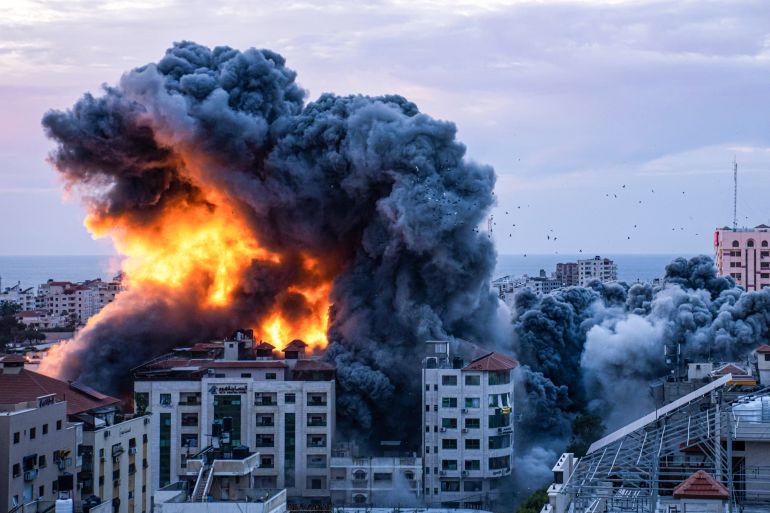
A prediction market examining the likelihood of a U.S. or Israeli military strike against Iran's Isfahan Nuclear Technology Center is pricing the event as virtually certain, with traders assigning 100% probability through March 31, 2026. The market has maintained this ceiling since its creation, generating over $1.3 million in trading volume. The resolution criteria specify kinetic military action—including drone strikes, missile attacks, or aerial bombardment—while excluding cyber operations, sanctions, or diplomatic measures. Importantly, strikes that are intercepted or miss their intended target would not trigger a \"Yes\" resolution.
Why It Matters
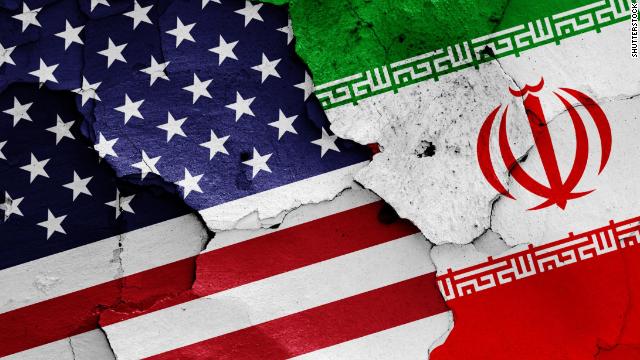
The Isfahan Nuclear Technology Center represents a key component of Iran's nuclear infrastructure and has long been a focal point in discussions about potential military intervention. The market's 100% pricing reflects trader conviction that escalation toward direct military action is not merely possible but inevitable within the specified timeframe. Such pricing has significant implications for how market participants view the trajectory of U.S.-Iran and Israel-Iran relations, suggesting little confidence in de-escalation or diplomatic resolution of nuclear tensions. The high trading volume indicates substantial interest in the outcome, though the complete certainty pricing also raises questions about market efficiency and the influence of extreme positions.
Key Factors
Several elements appear to inform this maximum-probability assessment. Recent regional tensions, including exchanges between Israel and Iran, have elevated concerns about direct military confrontation. The Biden and potential subsequent administrations' stated commitments to preventing Iranian nuclear advancement create a framework in which kinetic action remains within the realm of policy options. Additionally, Israel's demonstrated willingness to conduct strikes against perceived nuclear threats—including historical operations in Iraq and Syria—establishes precedent. However, the 100% pricing may also reflect the market's structural incentives: traders who believe any scenario is possible, even if unlikely, can profit by holding positions in extreme-probability markets. The lack of recent price movement at this level suggests the market may have settled at an equilibrium that does not fully reflect the genuine uncertainty inherent in geopolitical developments.
Outlook
For this market to move materially away from 100%, significant developments would need to occur, such as verifiable diplomatic breakthroughs on Iranian nuclear negotiations, substantial de-escalation in regional tensions, or explicit policy shifts by U.S. or Israeli leadership away from military options. Conversely, any escalatory incidents—direct Iranian attacks on U.S. or Israeli assets, major advances in Iranian nuclear capabilities, or hawkish policy announcements—could reinforce the current pricing despite its ceiling effect. The market's extreme pricing through March 2026 ultimately reflects trader skepticism about peaceful resolution, though the binary nature of prediction markets can amplify such sentiment beyond levels justified by underlying probabilities.