Market Overview
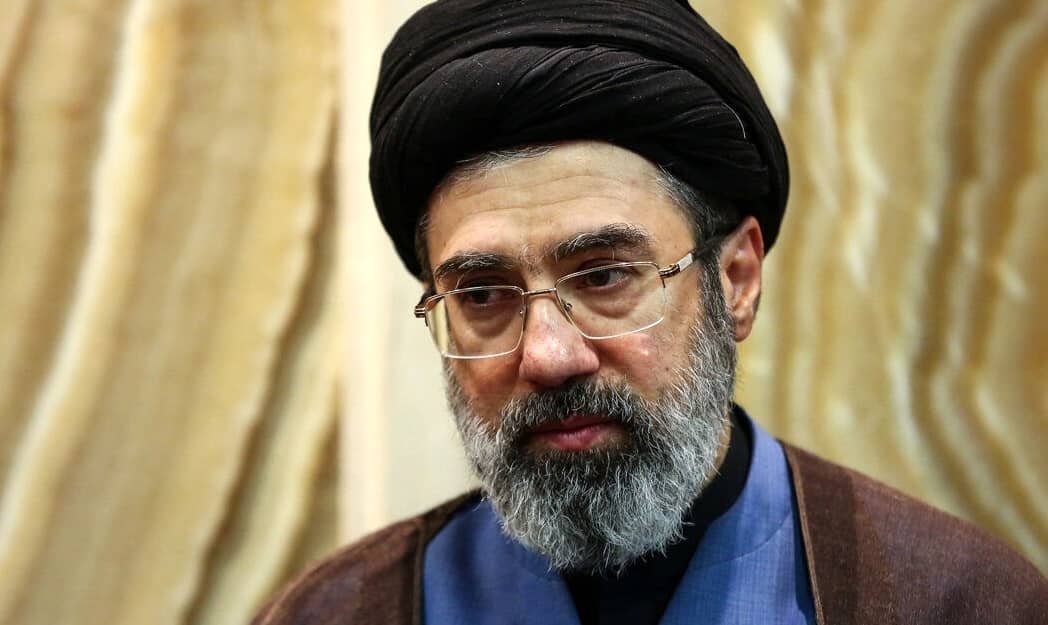
With a current probability of 33.5%, traders are assigning roughly one-in-three odds that Mojtaba Khamenei—the Supreme Leader and son of the late Ayatollah Khamenei—will lose his position as Iran's de facto leader within the next several months. The market has remained stable at this level over the past 24 hours despite substantial trading volume of over $2 million, suggesting that consensus among participants has solidified around this mid-range probability rather than clustering toward either extreme. The resolution criteria are broad, encompassing removal from power, detention, or any circumstance that prevents him from functioning as de facto leader, as well as official announcements of resignation or removal regardless of implementation timing.
Why It Matters
Iran's succession and power structure carry significant implications for regional geopolitics, nuclear negotiations, and broader Middle Eastern stability. Any unexpected transition in supreme leadership would represent a major institutional disruption in the Islamic Republic, historically a rare occurrence. The current market probability reflects recognition that while major leadership changes in Iran are uncommon, the timeframe is compressed—only about nine months—and encompasses considerable political uncertainty. Traders appear to be weighting both the baseline low probability of such transitions and a non-negligible risk of destabilizing events, whether through health crises, internal power struggles, or external pressure.
Key Factors Driving the Probability
Several elements likely inform the 33.5% probability. First, there is structural uncertainty around succession in autocratic regimes; even stable systems face unpredictable health events or elite conflicts. Second, the Iranian political system has experienced factional tensions and pressure from economic sanctions, which could theoretically accelerate internal conflicts. Third, geopolitical volatility in the region and potential international interventions represent tail-risk scenarios that, while unlikely, carry high impact. Conversely, the regime's demonstrated resilience, institutional consolidation, and the absence of imminent visible threats to Mojtaba Khamenei's position argue against a higher probability. The 33.5% figure appears to reflect a balanced assessment: more probable than a catastrophic regime collapse, but far from certain given Iran's current political equilibrium.
Outlook
Movements in this market would likely be triggered by credible reporting of health issues affecting the Supreme Leader, visible power struggles within Iran's elite, major geopolitical escalations with implications for regime stability, or explicit statements from Iranian officials regarding succession. The stable pricing over recent periods suggests the market has already absorbed available public information. Traders monitoring this contract should watch for developments in Iran's domestic politics, statements from regime insiders, or external events with direct bearing on regime continuity. The current odds suggest meaningful uncertainty but not imminent expectation of change—a positioning consistent with Iran's historical pattern of gradual power transitions rather than abrupt upheaval.