Market Overview
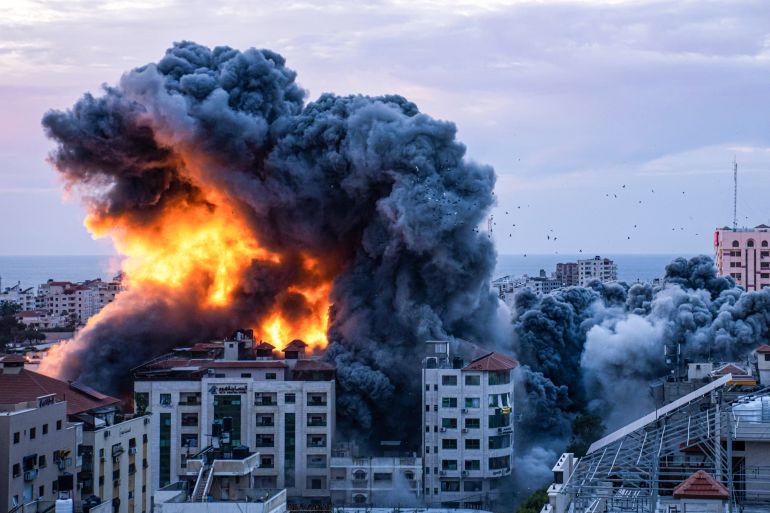
A high-volume prediction market centered on potential military action against Iran's Isfahan Nuclear Technology Center is pricing the probability of a strike at 100%, with trading volume exceeding $1.37 million. The market has maintained this maximum probability consistently over the past 24 hours, suggesting strong consensus among traders that a kinetic military operation targeting the facility will occur within the specified timeframe extending to March 31, 2026. The market defines \"strike\" narrowly to include only direct kinetic actions—drone strikes, missile attacks, aerial bombings, or ground operations—while excluding cyber operations, sanctions, or diplomatic measures.
Why It Matters
The Isfahan Nuclear Technology Center represents a sensitive infrastructure asset within Iran's broader nuclear program, and military action against it would constitute a significant escalation in regional tensions. The facility's status as a potential target reflects longstanding international concerns regarding Iranian nuclear capabilities. A strike would carry substantial geopolitical consequences, potentially triggering broader conflict dynamics, international diplomatic crises, and shifts in regional security architecture. The market's current pricing thus reflects trader assessment of an eventuality with far-reaching implications for Middle Eastern stability and great power relations.
Key Factors
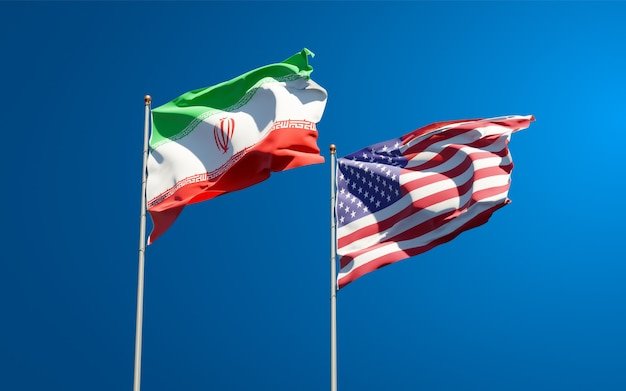
The 100% probability appears driven by several underlying considerations. First, ongoing regional tensions between Iran and Israel, coupled with U.S. strategic interests in the Middle East, have created a backdrop of elevated military risk. Second, the extended timeframe—roughly 15 months from typical market creation—provides considerable window for escalation. Third, the specificity of the facility as a target suggests market participants view this location as a particularly likely objective should military action occur. However, the perfect probability rating warrants scrutiny; such absolute certainty in real-world geopolitical outcomes is empirically unusual and may reflect either the probabilistic structure of the market mechanism itself or potential liquidity constraints limiting price discovery.
Outlook
Developments that could shift market pricing would include formal diplomatic breakthroughs reducing Iran-Israel tensions, international agreements on nuclear inspections that reduce perceived strike necessity, or explicit U.S. policy shifts away from military options. Conversely, further Iranian nuclear advances, direct military provocations, or changes in Israeli or American administrations could reinforce current pricing. The market's current extreme probability level leaves limited room for upward movement, suggesting traders see the event as overdetermined by current geopolitical trajectories rather than contingent on near-term developments. Meaningful probability shifts would likely require substantial changes to regional security calculations or major policy reversals among key actors.