Market Overview
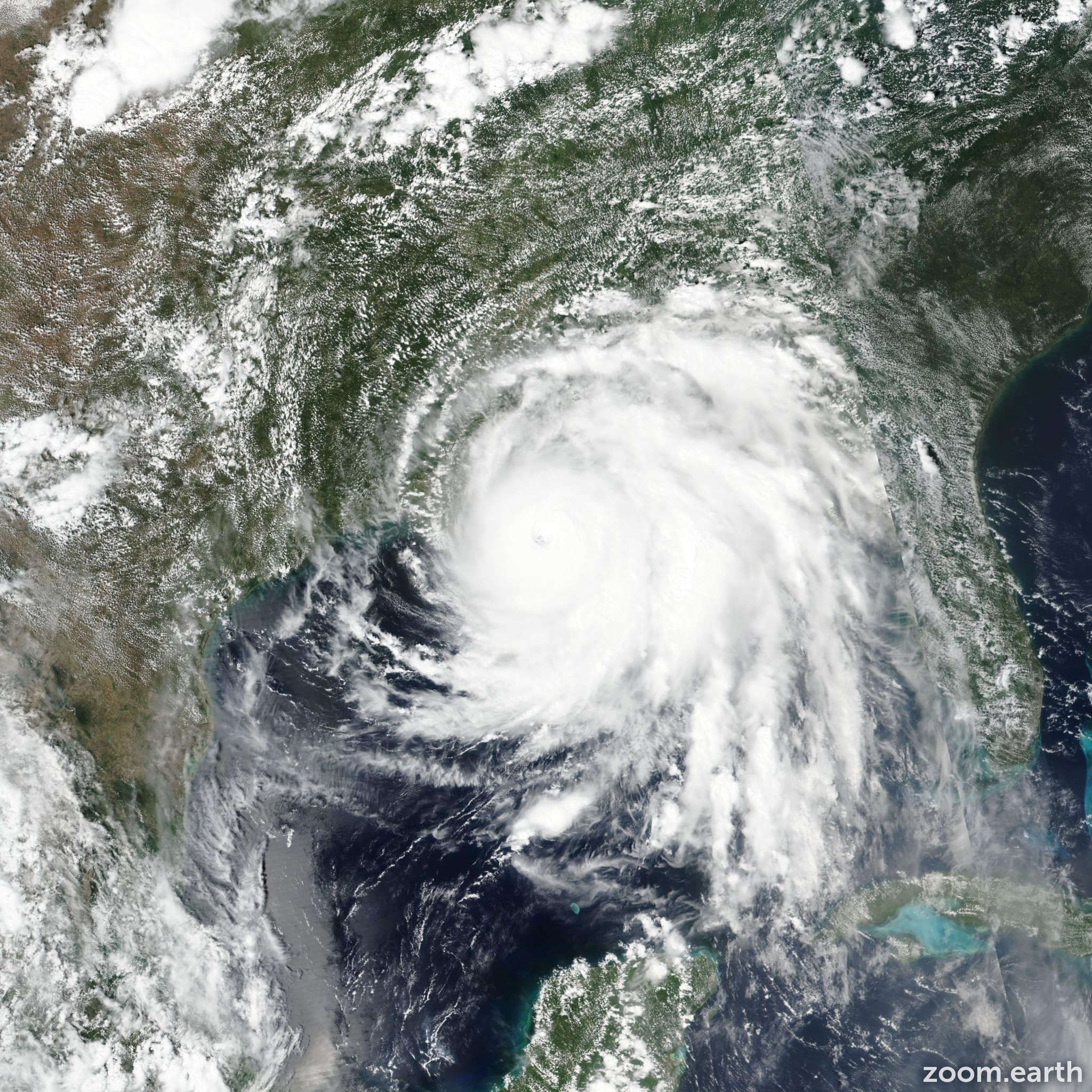
The prediction market on Category 4 hurricane landfalls in the conterminous United States before 2027 is trading at a 35% probability, with trading volume of $326,300 indicating sustained interest in the outcome. The market has remained stable at this level over the past 24 hours, suggesting traders have reached a relatively settled view on the likelihood of a major hurricane making US landfall within the specified period. The resolution criteria are clearly defined, relying on official National Hurricane Center advisories classifying a landfall as Category 4 (maximum sustained winds of 130-156 mph) on the Saffir-Simpson scale.
Why It Matters
The question captures broader concerns about extreme weather risk and climate-related volatility. Category 4 hurricanes represent a significant threshold—powerful enough to cause substantial damage and loss of life while remaining below the most catastrophic Category 5 classification. For insurers, disaster preparedness planners, and coastal residents, understanding the probability of such events informs risk management decisions and resource allocation. The two-year forecast window (through December 2026) aligns with typical planning horizons for infrastructure and emergency management initiatives.
Key Factors
Historical hurricane frequency provides the primary context for interpreting the 35% probability. The United States experiences direct hurricane landfalls irregularly; Category 4 landfalls are rarer still. Over the past several decades, major hurricanes have made US landfall at varying intervals, with some years producing multiple significant storms and other years seeing none. Current market pricing reflects the baseline expectation that such events occur roughly one-third of the time over any given two-year period, though this varies considerably by season and broader climatic patterns. Sea surface temperatures, atmospheric conditions during the Atlantic hurricane season (June-November), and climate phenomena like El Niño and La Niña influence annual storm activity and intensity. The market's current assessment suggests traders view the probability as moderately likely but far from certain.
Outlook
Movements in this market would likely reflect updated seasonal hurricane forecasts, observed anomalies in ocean temperatures during upcoming Atlantic seasons, or significant hurricane activity in real time. The National Oceanic and Atmospheric Administration's seasonal outlooks, released before each June and updated in August, could shift trader sentiment if they substantially revise storm frequency or intensity predictions. Additionally, any actual major hurricane activity—whether a near-miss or a confirmed Category 4 landfall earlier in the forecast period—would be expected to reprice the remaining probability through end-2026. Given the current stability, traders appear to view 35% as a reasonable baseline reflecting long-term climatological risk.