Market Overview
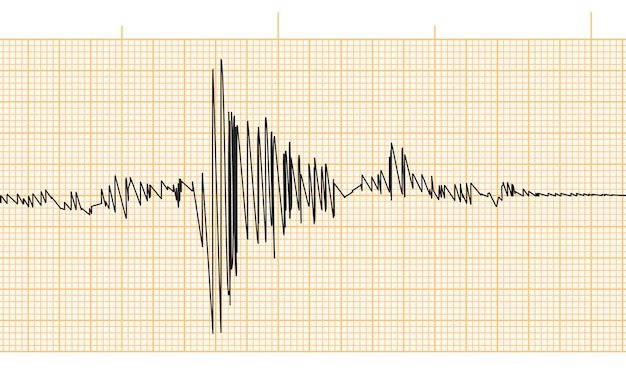
Predictors are assigning a substantial probability to the occurrence of eight or more major earthquakes—defined as magnitude 7.0 or greater on the Richter scale—over a seven-month period. With a current price of 85.1%, the market implies that such an outcome is considered highly likely. The question covers a specific timeframe (December 4, 2025, through June 30, 2026) and relies on the United States Geological Survey as its authoritative resolution source, with USGS's Earthquake Hazards Program database serving as the official record.
Why It Matters
Earthquakes of magnitude 7.0 and above represent significant seismic events capable of causing substantial damage and loss of life in populated areas. Understanding the frequency of such major earthquakes over defined periods has implications for disaster preparedness, insurance modeling, and scientific understanding of tectonic activity. The market's high probability reflects confidence in baseline seismic forecasting rather than prediction of unusual activity; accurately estimating whether major earthquake frequency remains consistent with historical patterns is a substantive question for both risk assessment and scientific analysis.
Key Factors
Historical data indicates that magnitude 7.0+ earthquakes occur with notable regularity worldwide. The United States Geological Survey reports that approximately 15 earthquakes of this magnitude occur annually on a global average, though year-to-year variation exists. A seven-month period contains roughly 58% of an average annual cycle, which would suggest a baseline expectation of approximately 8.7 major earthquakes—placing eight events slightly below historical norms. The 85.1% probability reflects predictors' assessment that the historical rate will hold during this specific window, with elevated confidence potentially reflecting both past consistency and acknowledgment that moderate variance around the mean is common in seismic activity.
Outlook
The market probability could shift if new information emerges regarding tectonic stress accumulation in major seismic zones or if early results during the prediction period significantly deviate from expectations. The relatively stable probability since the market's inception suggests consensus around historical seismic frequency as a reasonable baseline. Resolution will depend entirely on USGS documentation; the market allows for a brief extension (through July 7, 2026) to account for reporting delays on particularly significant events. Significant deviations from the eight-earthquake threshold would likely prompt broader discussions about whether seismic patterns are shifting in ways that contradict long-term averages.