Market Overview
The prediction market for a crewed lunar landing in 2026 stands at 4.3%, indicating traders view such an outcome as highly unlikely within the specified timeframe. With $1.9 million in volume, the market reflects genuine interest in the question despite the low implied probability. The stable price over the past 24 hours suggests the market has reached a consensus estimate among participants.
Why It Matters
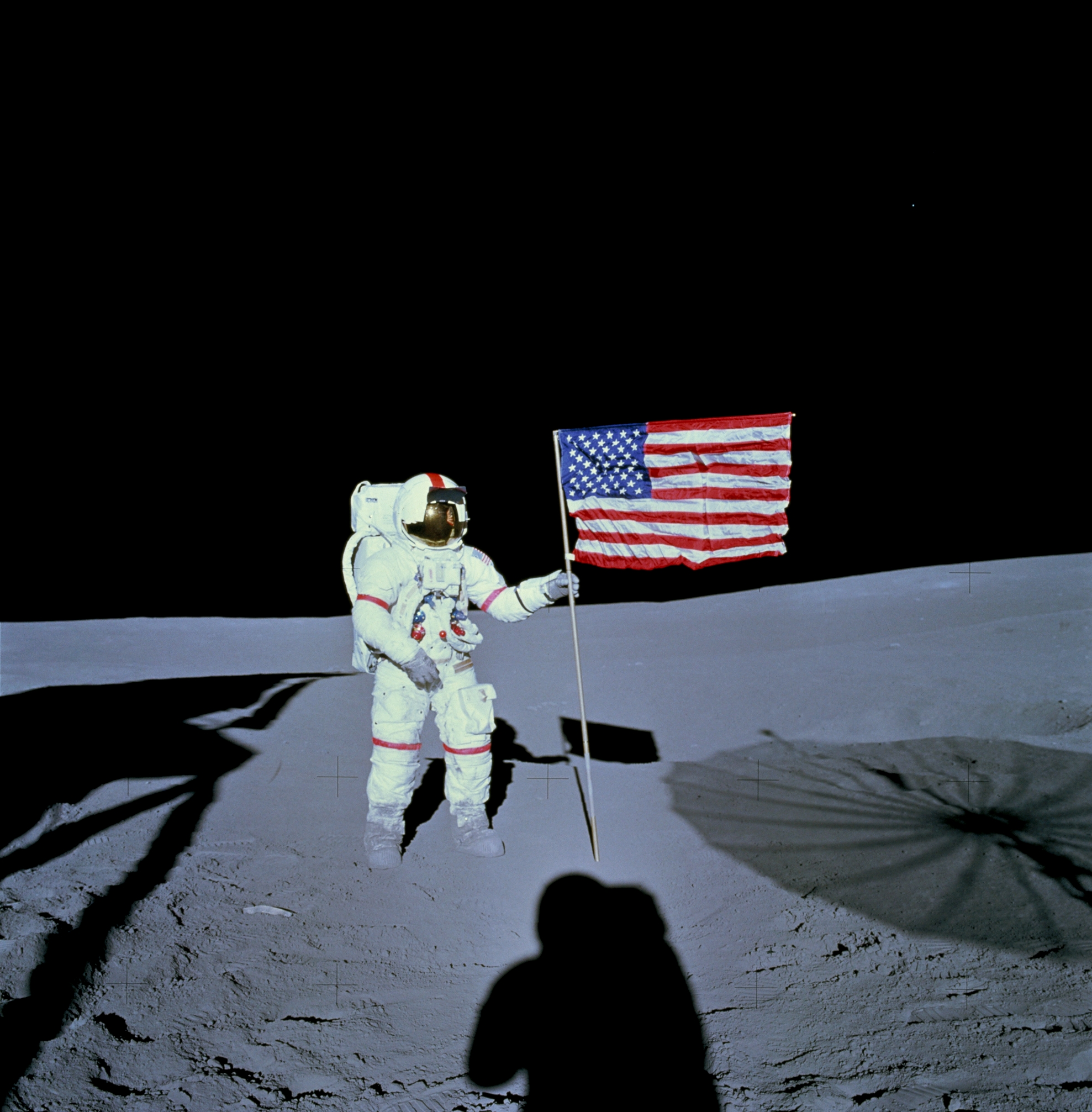
The timeline for human lunar exploration carries significant implications for the U.S. space program, technological capability, and geopolitical leadership in space. NASA's Artemis program represents the most substantial American effort to return humans to the moon since Apollo, with substantial federal investment and reputational stakes. Whether the mission succeeds within a specific window like 2026 carries weight for Congress, public confidence in space exploration, and international competitive dynamics.
Key Factors Driving Low Odds
The 4.3% probability reflects several concrete obstacles. NASA's Artemis 1 uncrewed mission launched in late 2022, followed by a lengthy evaluation period. Artemis 2, planned as a crewed lunar flyby (not landing), has been repeatedly delayed, with current targeting pointing to 2026 or 2027 at earliest. Artemis 3, which would attempt an actual landing, is scheduled even further out. The progression requires successful completion of earlier milestones without major technical setbacks—a scenario traders view as unlikely within the narrow 2026 window. Additionally, the human-rated Space Launch System (SLS) and Orion capsule have faced technical challenges, budget pressures, and manufacturing delays that compound scheduling uncertainty.
Outlook and Potential Catalysts
The market probability could shift materially based on Artemis 2 execution and any official announcements accelerating the Artemis 3 timeline. A successful Artemis 2 crewed mission in 2025 would increase confidence in reaching 2026, though only marginally given that it would still require compressed development of the lunar descent vehicle and mission architecture. Conversely, further delays to Artemis 2 would likely push 2026 odds even lower. Any international crewed lunar landing announcement—whether from China or another spacefaring nation—would also influence market sentiment by either demonstrating feasibility or establishing competing claims to 2026 landing windows.