Market Overview
With $387,552 in volume and stable pricing over the past 24 hours, traders are assigning a strong 81.5% probability that the Trump administration will lose its appeal of the May 28, 2025 ruling and that importers will subsequently receive refunds of invalidated tariffs. The resolution criteria require two sequential outcomes: the appeal in V.O.S. Selections, Inc. v. United States must be denied in whole or in part, and actual refunds must be issued to importers by June 30, 2026—a 13-month window from the original court decision.
Why It Matters
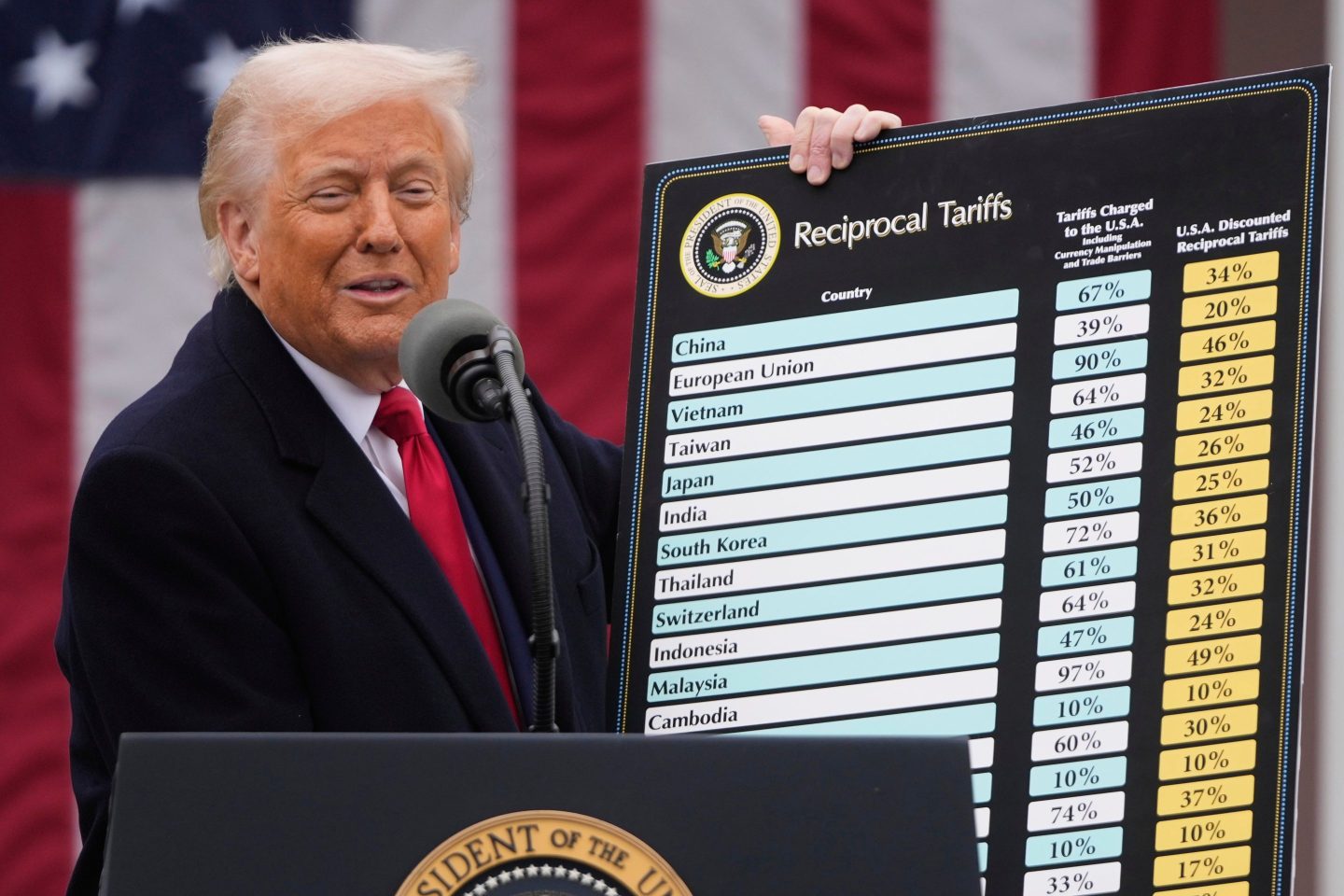
The May 2025 ruling represented a significant legal setback for the Trump administration's tariff program, blocking broad-based measures including the \"Liberation Day\" tariffs (10% across-the-board plus country-specific rates up to 50%) and targeted tariffs on Canadian, Mexican, and Chinese goods. If the court again rules against the administration and refunds are processed, billions of dollars in collected tariffs could flow back to importers, reshaping the actual cost impact of the tariff campaign. The market's high odds suggest participants believe both the legal precedent and the mechanics for refund execution favor importers.
Key Factors
The probability reflects several underlying assessments. First, traders appear confident in the original court's legal reasoning—that the Trump administration overreached its authority under the International Emergency Economic Powers Act. Appeals courts do sometimes overturn lower court rulings, but the legal foundation appears sound to market participants. Second, the 81.5% odds incorporate the assumption that if the appeal fails, the administrative apparatus (U.S. Customs and Border Protection and Treasury) will execute refunds as required by law, rather than delay or contest the obligation further. The resolution criteria specify that announcements or plans alone are insufficient; actual refunds must be issued. This introduces an execution risk that the probability partially discounts.
Outlook
The timeline is crucial: the appeal process typically takes months, leaving compressed time for both a decision and refund processing before the June 30, 2026 deadline. A denial of the appeal could come as early as late 2025 or early 2026, creating a narrow window for refund issuance. Developments that could shift the market include an unexpectedly swift appeals court decision, evidence of procedural delays in refund processing, or signals that the administration may invoke alternative legal theories or statutory provisions. The 81.5% odds represent significant confidence in a legal outcome that, while likely based on the original ruling, remains subject to appellate reversal.